
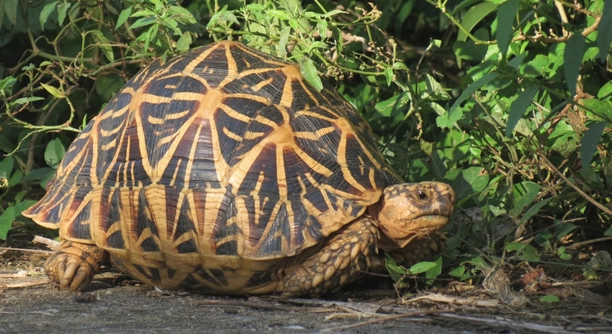
Is your Indian star tortoise spending most of its time under the heat lamp instead of exploring its enclosure? Tortoises enjoy warmth, but constant hiding can signal something more about their comfort, health, or environment.
The most common reason your Indian star tortoise is always under its heat lamp is an improper temperature gradient. When the enclosure lacks a proper warm and cool zone, your tortoise will stay under the lamp to regulate its body temperature.
Temperature plays a key role in your tortoise’s behavior. Learning why they seek heat constantly can help you create a healthier, more comfortable habitat.
The Temperature Gradient Is Not Set Correctly
Your tortoise needs both warm and cool areas in its enclosure to regulate its body temperature properly. If the warm side is too hot or the cool side is too cold, your tortoise may stay under the heat lamp to avoid discomfort. The ideal basking temperature for an Indian star tortoise is around 95°F, while the cooler side should be between 75-85°F. Without this balance, your tortoise may not feel comfortable enough to explore its space. A temperature gradient allows them to move freely between warmth and cooler areas as needed.
A good way to check if the temperatures are correct is by using a reliable thermometer in different parts of the enclosure. If your tortoise is always under the heat lamp, adjust the temperatures gradually to see if it starts moving around more.
Setting up the right temperature zones can improve your tortoise’s activity levels. It ensures they get enough heat for digestion and movement while also having a cooler spot to rest.
The Humidity Levels Are Too Low
Indian star tortoises need a specific humidity level to stay comfortable. If the air is too dry, they may seek extra warmth under the heat lamp.
The ideal humidity level for an Indian star tortoise is between 50-70%. When the air is too dry, their skin can become dehydrated, leading to discomfort. They may stay under the heat lamp to compensate for the lack of moisture. Dry conditions can also contribute to shell problems, making it even more important to maintain proper humidity. Using a hygrometer helps monitor levels and prevent excessive dryness.
To maintain the right humidity, you can mist the enclosure daily, add a humid hide, or use a substrate that holds moisture well. Coconut coir, cypress mulch, or sphagnum moss can help create a more humid environment. Ensuring there’s a shallow water dish available for soaking also helps keep your tortoise hydrated. Making small adjustments to humidity can encourage more natural behaviors and prevent excessive basking.
The Enclosure Is Too Small
A small enclosure limits your tortoise’s movement, causing them to stay under the heat lamp out of boredom or stress. Indian star tortoises need plenty of space to roam and explore. A cramped environment can lead to inactivity and affect their overall well-being.
For a single Indian star tortoise, a minimum enclosure size of 4 feet by 2 feet is recommended. Larger enclosures are even better. Without enough space to walk, forage, and explore, they may stay in one spot—often under the lamp—because there’s nowhere else to go. Adding obstacles like hides, rocks, and plants can also make the space more engaging and encourage activity.
A spacious enclosure with proper enrichment helps your tortoise stay active and healthy. It encourages natural behaviors like digging, exploring, and grazing. With more room to move, they are less likely to stay under the heat lamp for long periods.
Stress or Feeling Unsafe
Tortoises can hide under their heat lamp if they feel stressed or unsafe. Loud noises, sudden movements, or other pets can cause them to seek warmth and security in one spot. Stress can greatly affect their behavior and overall health.
If your tortoise is constantly hiding, evaluate their surroundings. Place the enclosure in a quiet area, away from heavy foot traffic or loud appliances. Covering part of the enclosure’s sides can make them feel more secure. Providing plenty of hiding spots using logs, plants, or rocks helps them feel safe. Tortoises that feel secure are more likely to explore their space.
Creating a peaceful and secure environment reduces stress and promotes healthy behavior. Keeping noise and disturbances to a minimum and offering multiple hiding spots can help your tortoise feel more at ease. When they feel safe, they will be more confident exploring outside of their basking area.
Improper Lighting Schedule
Indian star tortoises need a regular lighting schedule to stay healthy. Without proper light cycles, their internal clocks get disrupted, causing them to bask longer than necessary. Aim for 10-12 hours of light daily to mimic their natural environment.
Use a timer to maintain a consistent schedule. Sudden changes or irregular lighting can confuse their day-night rhythm, leading them to stay under the heat lamp. Keeping a steady routine helps them feel more comfortable and active.
Health Issues
Tortoises that are always under their heat lamp may be unwell. Illnesses like respiratory infections, parasites, or metabolic bone disease can cause them to seek extra warmth. Watch for signs like wheezing, swollen eyes, or loss of appetite. If you notice any symptoms, consult a reptile vet immediately. Proper heating, UVB lighting, and a nutritious diet are essential for preventing health problems.
Incorrect Substrate
Using the wrong substrate can cause discomfort. Rough, cold, or overly dry substrates may push your tortoise to stay under the lamp. Choose soft, moisture-retaining substrates like cypress mulch or coconut coir for a more comfortable and natural habitat.
FAQ
Why does my Indian star tortoise hide under the heat lamp all the time?
If your Indian star tortoise is always under the heat lamp, it could be due to a few different reasons. Most commonly, it may be an issue with the temperature gradient in their enclosure. Tortoises need both warm and cool areas to regulate their body temperature. If the warm side is too hot or the cool side is too cold, your tortoise might stick to the heat lamp to feel comfortable. It’s also possible that the enclosure is too small, or the tortoise might be stressed due to external factors like noise or other pets.
How can I set up the right temperature for my tortoise?
To create the proper temperature gradient, use a heat lamp to warm one side of the enclosure while leaving the other side cooler. The basking area should be around 95°F, while the cool side should be between 75-85°F. This allows your tortoise to move between different temperatures to regulate their body heat. It’s also a good idea to use a thermometer to monitor temperatures throughout the day to ensure consistency.
Is it normal for my tortoise to stay under the heat lamp for long periods?
While tortoises do spend a lot of time basking under a heat source to maintain their body temperature, staying there too long can indicate an issue. It might mean the enclosure is too small or that the temperature gradient is not set up properly. Your tortoise may also be feeling stressed, unwell, or uncomfortable due to incorrect humidity or a lack of hiding spots. Ensure there is enough space for your tortoise to roam and that the environment is calm and well-maintained.
How often should I mist the enclosure for proper humidity?
Indian star tortoises thrive in an environment with a humidity level between 50-70%. To maintain this, mist the enclosure daily, especially if you live in a dry area. You may need to adjust this depending on your local climate. If your tortoise is constantly under the heat lamp, low humidity could be a factor. Regular misting helps provide the necessary moisture and prevents skin or shell issues.
Can the light schedule affect my tortoise’s behavior?
Yes, an improper light schedule can disrupt your tortoise’s internal clock. Tortoises need a consistent 10-12 hours of light each day. If the lighting is inconsistent or too dim, your tortoise may not feel comfortable or active. Use a timer to set the light to automatically turn on and off at regular times. This simulates a natural day-night cycle and encourages healthy behaviors.
What should I do if my tortoise shows signs of stress?
If your tortoise is showing signs of stress, like hiding more than usual, pacing, or avoiding food, it could be related to the environment. Make sure the enclosure is in a quiet, secure location, away from loud noises and disturbances. Providing multiple hiding spots and creating a peaceful environment can help your tortoise feel more comfortable. If the stress continues, consider consulting a reptile vet to rule out health issues.
How can I tell if my tortoise is sick?
If your tortoise is staying under the heat lamp and not moving much, it could be a sign of illness. Look for other signs, such as loss of appetite, swollen eyes, labored breathing, or unusual behavior. Respiratory infections, shell problems, or metabolic bone disease are common in tortoises that are kept in improper conditions. If you notice any concerning symptoms, take your tortoise to a vet that specializes in reptiles.
Can I use regular light bulbs instead of UVB lamps?
No, regular light bulbs will not provide the necessary UVB rays that your tortoise needs. UVB light is essential for tortoises to metabolize calcium and maintain a healthy shell and bones. Make sure you’re using a UVB lamp designed for reptiles, and replace it regularly as the UVB output decreases over time. It’s important to place the lamp at the correct distance from your tortoise to ensure proper exposure.
What type of substrate should I use for my Indian star tortoise?
The substrate plays a big role in your tortoise’s comfort. Avoid using sand, gravel, or other rough materials. Instead, opt for soft, moisture-retaining substrates like coconut coir, cypress mulch, or sphagnum moss. These substrates are easy to clean, help maintain humidity levels, and create a more comfortable surface for your tortoise to walk on. Make sure to spot clean regularly to maintain a healthy environment.
Is it necessary to provide my tortoise with a soaking dish?
Yes, providing a shallow soaking dish is important for your tortoise’s hydration and skin health. Indian star tortoises don’t drink water the way we do; they prefer to absorb it through their skin by soaking. Ensure that the dish is shallow enough for them to easily step in and out. Regular soaking helps prevent dehydration and keeps your tortoise healthy.
Why is my tortoise not eating?
There are several reasons your tortoise may not be eating, including improper temperature, health problems, or stress. Ensure the temperature gradient is correct, and check that your tortoise’s enclosure is clean, quiet, and free from disturbances. If your tortoise is still not eating, consult a vet, as loss of appetite could indicate illness or improper care.
Final Thoughts
Understanding why your Indian star tortoise is always hiding under its heat lamp is an important step in ensuring its health and well-being. While basking is a natural behavior, excessive time spent under the lamp can signal that something is off with its environment or health. It’s essential to regularly check and adjust the temperature gradient in the enclosure, ensuring there’s a warm side for basking and a cooler area for resting. This allows your tortoise to regulate its body temperature properly and move between zones as needed. Creating a comfortable space with a proper balance of heat and humidity is the first step in addressing any concerns.
In addition to adjusting the environment, observe any changes in behavior that might indicate stress or illness. Stress can be triggered by environmental factors such as noise, overcrowding, or inadequate hiding spots. Make sure your tortoise feels safe in its home by providing enough space to roam, hiding spots to retreat to, and a calm, quiet space. Health issues, such as respiratory infections or metabolic bone disease, can also cause your tortoise to stay under the heat lamp longer than usual. If your tortoise shows signs of illness, consulting a reptile vet is always a wise step.
Lastly, maintaining a proper lighting and feeding schedule is key to your tortoise’s overall health. Consistent light cycles mimic natural conditions, helping to regulate its internal clock and promote normal activity patterns. Offering a varied diet rich in calcium, fiber, and other essential nutrients will also support your tortoise’s long-term health and help it thrive. With proper care, the right environment, and attention to its needs, your Indian star tortoise will be more active, healthy, and less likely to spend excessive time hiding under its heat lamp.

Hello,
If you enjoy the content that we create, please consider saying a "Thank You!" by leaving a tip.
Every little bit helps us continue crafting quality advice that supports the health, happiness, and well-being of pets around the world, for pets of all shapes, sizes, and species.
We really appreciate the kindness and support that you show us!