
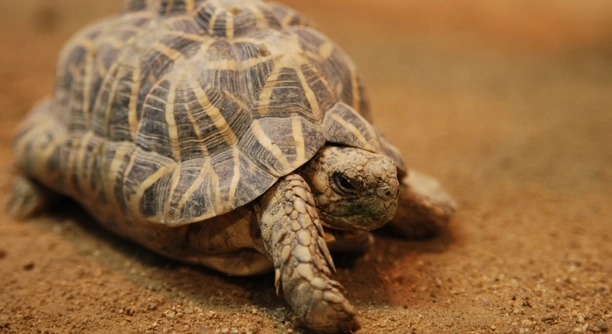
Some owners may notice their Indian Star Tortoise not eating during the day. This behavior can be puzzling, especially when their pet seems healthy. Identifying the cause is important for maintaining their well-being and comfort.
The most common reasons your Indian Star Tortoise might not be eating during the day include stress, incorrect temperature, or improper lighting. Ensuring the habitat is set correctly and offering appropriate food can encourage normal feeding behavior.
Adjusting your tortoise’s environment may resolve feeding issues. The right conditions are key to their health and feeding habits.
Temperature and Lighting Adjustments
Your tortoise’s environment plays a big role in its feeding habits. If the temperature or lighting is not right, it can cause your Indian Star Tortoise to stop eating during the day. These tortoises are cold-blooded and need a warm basking spot to regulate their body temperature. Without it, they can become sluggish and refuse food. Ensure that the temperature in their enclosure ranges from 85°F to 90°F in the warm spot, with a cooler area around 75°F. A proper UVB light is also crucial for digestion and overall health. Without it, they may not feel inclined to eat.
Make sure the enclosure is equipped with both heat and light. If these are not adjusted, your tortoise could feel stressed and refuse food.
The combination of proper heat and light promotes healthy digestion and activity. Make sure the light is on for about 12 hours a day to simulate natural daylight hours. This helps maintain a natural eating rhythm for your tortoise. If changes don’t work, check other possible causes.
Stress and Environmental Changes
Stress from changes in their habitat can also prevent a tortoise from eating. Moving to a new home or a sudden change in routine can make your tortoise anxious. This may lead to a lack of appetite. It’s important to minimize disruptions in their environment to help reduce stress. If your tortoise is in a busy or noisy area, try relocating them to a quieter place. Stability is key to their comfort and health.
Examine their environment closely. Stressful conditions like loud noises or unfamiliar scents can contribute to their refusal to eat.
Improper Diet
Your tortoise may be picky about food. If they aren’t eating during the day, it could be related to their diet. Offer a variety of fresh greens like dandelion leaves, collard greens, and cactus pads. Some tortoises might refuse food if they are offered the same thing every day, so try mixing it up. Additionally, avoid feeding them too many high-protein foods like meat or eggs, as it can cause digestive issues.
Tortoises also rely on fiber for proper digestion. If their food is not high in fiber, they may refuse to eat. Include hay and leafy vegetables in their diet to provide the necessary nutrients and keep them satisfied. Fresh food is always better than processed options, as it encourages a healthy feeding routine.
Try adjusting the type of food and the feeding schedule. Some tortoises may prefer to eat during specific times of the day, so offering food in the morning or evening could help. Make sure the food is clean and fresh, as any spoiled food can deter eating altogether.
Health Problems
If your tortoise continues to refuse food, it may be a sign of underlying health issues. Illness can lead to a lack of appetite, and conditions such as respiratory infections, parasites, or digestive problems are common in tortoises. Observe your tortoise for signs of lethargy, discharge from the nose, or difficulty moving. If these symptoms are present, it’s important to take your tortoise to a vet for a checkup.
A vet will help determine if there is an infection or illness affecting your tortoise’s appetite. If no physical health problems are detected, it may be helpful to assess environmental factors again. Proper hydration and temperature are essential for your tortoise’s health, so ensure those are maintained as well.
Overfeeding
Overfeeding your tortoise could also be a reason they aren’t eating during the day. When they are fed too much, they may lose interest in eating altogether. Offer smaller portions throughout the day rather than one large meal. This can encourage them to eat more regularly.
Ensure the food you provide is the right size for their age and size. Overfeeding can lead to obesity, which affects their overall health and appetite. Stick to a feeding schedule to help them develop a consistent eating routine.
Dehydration
Lack of proper hydration can cause your tortoise to lose their appetite. Make sure fresh water is available at all times. Offer shallow dishes that are easy for them to access, as they may not drink from deep bowls. Always keep the water clean and replace it daily.
If your tortoise isn’t drinking, consider soaking them in lukewarm water. Soaking can help them stay hydrated and may stimulate their appetite. Just be sure to dry them properly afterward to prevent any health issues.
FAQ
Why is my Indian Star Tortoise not eating during the day?
There are several reasons your tortoise may not be eating. Stress, incorrect temperature, improper lighting, or diet can all contribute to this issue. If these factors are in check and your tortoise is still refusing food, a visit to the vet may be necessary to rule out any health problems.
How often should I feed my Indian Star Tortoise?
You should feed your Indian Star Tortoise every other day. Offering fresh greens and vegetables is ideal. Make sure to adjust portion sizes based on their age and size. Overfeeding can lead to obesity, which can result in loss of appetite.
Can stress cause my tortoise to stop eating?
Yes, stress is a common cause for a loss of appetite in tortoises. Changes in their environment, like moving to a new location or adding new pets, can make them anxious. Ensure their enclosure is quiet and stable to reduce stress levels.
What temperature should my tortoise’s enclosure be?
The basking area should be between 85°F and 90°F, while the cooler area should be around 75°F. Proper temperature helps regulate their metabolism and encourages normal feeding behavior. If the temperature is too low or high, your tortoise may refuse to eat.
Does lighting affect my tortoise’s eating habits?
Yes, UVB lighting is crucial for digestion and overall health. Without it, your tortoise may become lethargic and not eat. Ensure the UVB light is on for 12 hours a day and is replaced every 6-12 months, as it loses its effectiveness over time.
What should I do if my tortoise is not drinking water?
Ensure fresh water is available daily and place it in a shallow dish that is easy for them to access. If they still refuse to drink, you can soak your tortoise in lukewarm water for 20 minutes to help with hydration. Make sure to dry them off afterward.
Is it okay to feed my tortoise fruit?
Fruit should only be offered as an occasional treat. Too much fruit can cause digestive issues and imbalance their diet. Stick to leafy greens, such as dandelion leaves and collard greens, for their regular meals. Fruits should make up only a small portion of their diet.
How do I know if my tortoise is sick?
If your tortoise is lethargic, has discharge from the nose, or refuses food for an extended period, it could be a sign of illness. Keep an eye on any unusual behavior or physical symptoms. If these persist, contact a vet who specializes in reptiles for a checkup.
How long can an Indian Star Tortoise go without food?
Indian Star Tortoises can survive for a few days without food, but they should not be left without nourishment for long periods. If your tortoise refuses to eat for more than a week, it’s important to check the environment and their health to find the cause.
Can I feed my tortoise pellets instead of fresh food?
While pellets are convenient, they should not replace fresh vegetables and greens. A balanced diet of fresh foods is essential for your tortoise’s health. Pellets can be offered as a supplement but should not be the main part of their diet.
Should I be worried if my tortoise eats less during the winter?
Yes, a decrease in appetite during colder months is normal for many tortoises, including the Indian Star Tortoise. They tend to eat less in cooler temperatures. However, if the decrease is significant or lasts too long, it could indicate a health issue, so monitor their behavior closely.
Can I handle my tortoise if it’s not eating?
If your tortoise is not eating, try to avoid handling it too much. Excessive handling can add stress, which might make the problem worse. Focus on ensuring its habitat is correct, and allow it time to adjust and become comfortable again.
What are the signs of dehydration in a tortoise?
Signs of dehydration include sunken eyes, dry skin, and a lack of interest in food or water. Make sure your tortoise always has access to fresh water, and soak them regularly to maintain hydration. If dehydration persists, consult a vet for further treatment.
Can I feed my tortoise different types of greens every day?
Yes, offering a variety of leafy greens is beneficial for your tortoise. Mix it up to ensure they get a range of nutrients. However, avoid feeding them too much spinach, as it can affect calcium absorption. Stick to dark, leafy greens for optimal health.
How can I encourage my tortoise to eat again?
Ensure the environment is stress-free, with correct temperature, lighting, and humidity. Try offering fresh food at different times of the day and make sure the food is appealing. Sometimes, soaking your tortoise in lukewarm water can also stimulate their appetite.
Can a tortoise eat too much?
Yes, overfeeding can lead to obesity and digestive issues. Avoid feeding them too much at once. Smaller meals spread out over the day are a better way to ensure they are getting the right amount of food without overloading their system.
Final Thoughts
An Indian Star Tortoise not eating during the day can be concerning, but it’s often linked to environmental factors or health issues. It’s essential to ensure that their habitat is optimal, including proper lighting, temperature, and humidity. Stress, overfeeding, and dehydration are other common causes that can prevent your tortoise from eating regularly. Adjusting these factors can often help restore their appetite, as tortoises are sensitive to changes in their surroundings.
If your tortoise continues to refuse food despite these adjustments, it might be time to consult a veterinarian. Illnesses like respiratory infections, internal parasites, or digestive issues can also cause a lack of appetite. A professional diagnosis is crucial to ensure that your tortoise remains healthy. If a health issue is identified early, the treatment is usually more effective. Keeping a close eye on their behavior and noting any other symptoms, such as lethargy or changes in their appearance, can help you spot potential health problems before they become serious.
In the meantime, continue offering a varied and balanced diet, along with fresh water, to encourage your tortoise to eat. Tortoises thrive on routine, so maintaining a consistent feeding schedule is important. By being patient and observant, you’ll be able to identify the cause of the issue and work towards resolving it. Providing a stress-free environment and a healthy diet are key to helping your Indian Star Tortoise recover its appetite and overall well-being.

Hello,
If you enjoy the content that we create, please consider saying a "Thank You!" by leaving a tip.
Every little bit helps us continue crafting quality advice that supports the health, happiness, and well-being of pets around the world, for pets of all shapes, sizes, and species.
We really appreciate the kindness and support that you show us!