
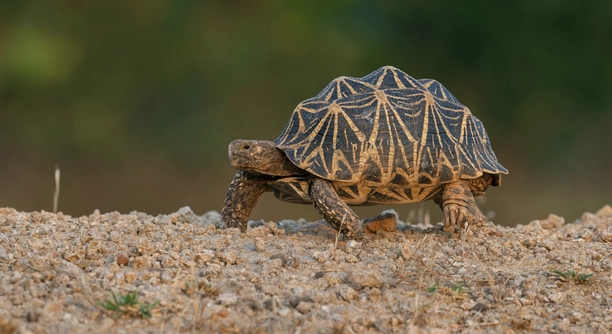
Indian star tortoises are beloved for their unique appearance and gentle nature. However, they can sometimes display behavior issues that can be puzzling for their owners. Understanding and addressing these behaviors is crucial for their well-being.
Common behavior problems in Indian star tortoises include aggression, refusal to eat, excessive hiding, and territorial behavior. These issues often arise from factors such as stress, improper diet, or inadequate habitat conditions. Identifying the root cause is key to finding a solution.
Addressing these concerns will help you create a happier, healthier environment for your tortoise. Keep reading to explore solutions for these common issues and improve your tortoise’s behavior over time.
Aggression in Indian Star Tortoises
Indian star tortoises are generally calm, but they can display aggressive behavior in certain situations. This can include lunging, hissing, or biting, usually in response to threats or stress. Stressors such as overcrowded enclosures, improper temperatures, or a lack of hiding spots can trigger this aggression. Additionally, males may exhibit territorial aggression during the breeding season.
Aggression often results from a lack of space or feeling unsafe. Adjusting their environment can help calm them down. Ensure your tortoise has a spacious, secure habitat with appropriate temperature gradients and hiding spots. A well-lit area that mimics their natural surroundings can also reduce stress.
If your tortoise becomes aggressive, it’s important to observe its behavior and make changes in its environment. You might also consider reducing interactions or handling time to avoid provoking the animal. Offering plenty of space and privacy can help reduce the likelihood of aggressive reactions. With patience and proper care, your tortoise’s behavior should improve over time.
Refusal to Eat
A common issue in Indian star tortoises is a refusal to eat. This can happen for a variety of reasons, including stress, illness, or changes in diet. Sometimes, the temperature of their environment may not be suitable for digestion, causing them to lose interest in food.
If your tortoise stops eating, it’s important to first check its habitat. Ensure the temperature is correct, and that it has access to fresh, nutrient-rich food. Offering a variety of leafy greens, vegetables, and occasional fruits may entice your tortoise to eat again. If the refusal continues, it could indicate an underlying health problem, requiring a vet visit.
Stress from changes in the environment or handling can also affect eating habits. Try to maintain a consistent routine to provide your tortoise with a stable and comfortable environment. If your tortoise still refuses food after adjustments, a vet may be able to determine whether there is an illness or other concern at play.
Excessive Hiding
Hiding is a natural behavior for Indian star tortoises, but excessive hiding can signal problems. If your tortoise spends too much time in hiding spots, it could be due to stress, poor environmental conditions, or health issues. Often, a tortoise hides to avoid threats or because it feels unsafe.
If your tortoise is constantly hiding, check for signs of stress, such as aggression or a lack of appetite. Ensure that its enclosure is large enough, well-lit, and has both warm and cool areas to choose from. A proper humidity level and hiding spaces are essential, but there should also be ample room for exploration.
In some cases, excessive hiding can be a sign of illness, especially if accompanied by other abnormal behaviors. If your tortoise shows signs of lethargy or a lack of interest in food, consult a veterinarian for a thorough check-up. Addressing stress factors and providing a more enriched environment can help ease this behavior.
Territorial Behavior
Indian star tortoises can exhibit territorial behavior, especially during mating season. This can include aggressive actions toward other tortoises or even their owners. Males, in particular, are more likely to show territorial instincts when trying to establish dominance or find a mate.
Territorial disputes can escalate into aggressive actions like chasing, biting, or hissing. To manage this, it’s important to house tortoises separately, especially during the breeding season. If you have multiple tortoises, provide separate enclosures to prevent conflicts. Space is crucial to prevent territorial issues and reduce aggression.
Offering multiple food and water sources, along with varied hiding spots, can also help reduce the chances of territorial aggression. By creating a more balanced and less competitive environment, you’ll reduce the likelihood of conflict between your tortoises. Additionally, providing plenty of room for each tortoise to roam will allow them to feel more secure in their habitat.
Inactivity and Lethargy
Lethargy in Indian star tortoises can often point to environmental or health issues. When your tortoise isn’t active, it could be due to improper temperatures, stress, or illness. Ensuring your tortoise has the right conditions is essential to promoting healthy activity levels.
If your tortoise becomes inactive, first check the enclosure temperature. Tortoises need a warm basking area with a cooler zone to regulate their body temperature. A drop in activity can result from a cold environment or inadequate lighting. You should also observe your tortoise for signs of illness such as wheezing, swelling, or unusual behavior.
It’s important to also assess the diet to ensure it’s meeting their nutritional needs. Poor diet and dehydration can also contribute to lethargy. Ensure your tortoise has access to fresh food and water daily. If the inactivity continues, consult a vet to rule out any underlying health issues. Regularly adjusting their habitat and diet can help keep them active and healthy.
Shell Rot and Other Skin Issues
Shell rot is a common condition in Indian star tortoises and occurs when bacteria or fungi infect the shell, causing it to soften and develop spots or holes. It’s crucial to identify the signs of shell rot early to prevent serious damage to your tortoise’s shell and overall health.
Proper hygiene is key in preventing shell rot. Make sure your tortoise’s enclosure is clean and dry. Any standing water can harbor bacteria, which can lead to infections. Regularly inspect your tortoise’s shell for any discoloration, softness, or foul odor, which are signs of rot. If these signs appear, seek veterinary care immediately.
In addition to shell rot, tortoises may experience skin issues like fungal infections or dry skin. Ensure that the humidity and temperature are correct in their habitat. Skin problems can also be a result of poor diet, so provide a varied, balanced diet with proper hydration. Proper care and environmental control are essential for preventing shell rot and other skin issues.
Overeating or Picky Eating
Indian star tortoises can show a tendency to either overeat or become overly picky with their food. Both of these behaviors can be linked to an unbalanced diet, improper feeding schedules, or environmental stressors. Addressing these can improve their eating habits.
If your tortoise is overeating, you may be overfeeding it or offering high-calorie foods too frequently. Ensure that you are offering the right balance of leafy greens, vegetables, and occasional fruits. For picky eaters, try varying the food offerings to make meals more appealing. In both cases, portion control is important.
Sometimes, picky eating can be linked to stress or environmental factors, such as lighting and temperature. Check that the habitat is suitable for your tortoise. If the issue persists, consult a vet to ensure there isn’t an underlying health concern.
Basking Behavior
Indian star tortoises rely on basking for temperature regulation and UVB absorption. If they aren’t basking regularly, it could signal a problem with their environment or health. They need a proper heat source to mimic the sun.
The basking spot should be around 90-95°F, with a cooler area available for your tortoise to regulate its body temperature. A UVB light is essential to help your tortoise synthesize vitamin D3, which supports healthy shell and bone growth. If they avoid basking, check if the light is strong enough or if the temperature is appropriate.
Basking is crucial to their overall health. A lack of basking can result in vitamin D deficiency, poor digestion, and stress. Ensure the setup encourages your tortoise to bask by adjusting the light and temperature to meet its natural needs.
Poor Digestion
Poor digestion is a common problem for tortoises and can be caused by an improper diet, inadequate hydration, or stress. Signs of poor digestion in Indian star tortoises include constipation, lack of appetite, or bloating.
To prevent digestion issues, offer a high-fiber diet that includes leafy greens, hay, and other vegetation. Ensure your tortoise has access to clean water at all times and provide a varied diet. Make sure the temperature of the habitat is warm enough to facilitate proper digestion. If your tortoise shows signs of discomfort or constipation, check for any changes in diet or environment that may be affecting its digestive health.
FAQ
Why is my Indian star tortoise not eating?
There are several reasons why your tortoise may refuse to eat. The most common causes are stress, improper temperatures, or changes in diet. Tortoises are sensitive to their environment, and if their habitat isn’t ideal, they may lose interest in food. Check the temperature and lighting to make sure they’re in the proper range. Also, ensure the diet is varied and fresh, as tortoises can get bored with the same food. If the problem persists, it could be a sign of illness, and a vet visit may be necessary.
How can I prevent shell rot in my Indian star tortoise?
Shell rot is caused by bacteria or fungi infecting the shell. To prevent it, make sure your tortoise’s enclosure is clean and dry. Any standing water should be removed to reduce the risk of infection. Regularly inspect your tortoise’s shell for any signs of discoloration, softness, or foul odor. A clean environment with proper humidity and temperature control is crucial. If shell rot occurs, it’s important to seek veterinary help immediately to treat the infection before it spreads.
What should I do if my tortoise is being aggressive?
Aggression in Indian star tortoises can be triggered by stress, overcrowding, or territorial behavior, especially in males during breeding season. To reduce aggression, provide ample space in the enclosure, and avoid housing multiple males together. Make sure your tortoise has access to a quiet, stress-free environment. Also, reduce handling if the tortoise seems stressed or agitated. If aggression continues, try separating tortoises that may be competing for territory, and consider making adjustments to their habitat to make it more comfortable for them.
How often should I feed my Indian star tortoise?
Indian star tortoises generally need to be fed daily or every other day, depending on their age. Young tortoises require more frequent feedings, while adults can be fed every two days. It’s important to provide a variety of foods, including leafy greens, vegetables, and occasional fruits. You should also ensure they are hydrated by offering fresh water daily. Avoid overfeeding and make sure to remove any uneaten food to prevent spoilage and keep the enclosure clean.
Can my Indian star tortoise eat fruit?
Yes, your tortoise can eat fruit, but it should only be offered occasionally. Fruits like strawberries, melons, and apples can be a tasty treat, but they are high in sugar and should not be the main part of their diet. A balanced diet should consist primarily of leafy greens and vegetables. Too much fruit can lead to digestive problems or obesity, so it’s best to limit fruit to small portions a couple of times a week.
Why is my tortoise hiding all the time?
Tortoises often hide to feel safe or secure. If your Indian star tortoise is spending more time hiding than usual, it could be a sign of stress, illness, or discomfort in their environment. Check for any environmental factors such as temperature fluctuations, humidity, or insufficient hiding spots. Additionally, make sure the enclosure isn’t too small. If hiding behavior persists, it could be a sign of a health problem, and it might be time to consult a veterinarian.
What temperature should I maintain in the enclosure?
Indian star tortoises need a temperature gradient within their enclosure. The basking spot should be around 90-95°F, while the cooler area should be around 75-80°F. This allows your tortoise to regulate its body temperature by moving between the warm and cool areas. Proper lighting is also important, as they need UVB light to metabolize calcium and maintain healthy bones and shells. Make sure the temperature is consistent, and avoid cold drafts or temperature drops, as they can cause stress or illness.
How do I know if my tortoise is sick?
Common signs of illness in tortoises include lethargy, a lack of appetite, swollen eyes, abnormal shell appearance, or respiratory issues like wheezing or nasal discharge. If you notice any of these symptoms, it’s important to get your tortoise checked by a veterinarian. Also, changes in behavior, such as avoiding basking or hiding excessively, can indicate a problem. Early detection of illness is key to effective treatment, so keep an eye on your tortoise and monitor its health regularly.
Can I keep multiple Indian star tortoises together?
Indian star tortoises are generally solitary animals and can become territorial, especially during the breeding season. It’s usually best to house them individually unless you have a large enclosure with enough space and hiding spots for each tortoise. If you do decide to keep multiple tortoises together, ensure there is ample space to prevent aggression and stress. Separate feeding stations and water bowls are also recommended to reduce competition.
How can I keep my tortoise active?
To keep your tortoise active, provide a large, stimulating environment with plenty of space to roam and explore. Adding varied terrain, like rocks or branches, will encourage movement. If your tortoise seems inactive, check the temperature and lighting to ensure they are appropriate for digestion and overall health. Make sure to offer fresh food daily to entice your tortoise to stay active, and try adjusting the enclosure layout to keep things interesting. A stimulating environment promotes healthy exercise, which is important for overall well-being.
How do I take care of my tortoise’s shell?
Taking care of your tortoise’s shell involves keeping it clean and dry. Regularly inspect the shell for signs of damage, rot, or cracks. A healthy shell should be smooth and hard, not soft or discolored. You can gently clean the shell with a soft brush and water, but avoid using any harsh chemicals. Ensure the tortoise has access to proper nutrition, especially calcium and vitamin D3, which support shell health. Maintaining the right humidity and temperature also plays a role in shell care. If you notice any issues with the shell, consult a veterinarian right away.
Final Thoughts
Taking care of an Indian star tortoise requires attention to its environment, diet, and behavior. These tortoises are relatively low-maintenance, but they still need a suitable habitat to thrive. Proper lighting, temperature, and humidity are essential to keeping your tortoise healthy and happy. Without these, issues like aggression, inactivity, or shell rot can arise. Creating an environment that mimics their natural habitat as closely as possible will help them feel secure and comfortable.
Feeding your tortoise a balanced diet is also important. While they do enjoy the occasional treat, like fruit, their main diet should consist of leafy greens and vegetables. Overfeeding or offering too much fruit can lead to health problems, so be mindful of portion sizes. It’s equally important to provide fresh water every day to keep them hydrated. Regularly check for any changes in eating habits or behavior, as this could indicate a health issue that requires attention.
Lastly, patience and consistency are key when caring for an Indian star tortoise. If any behavior issues arise, such as hiding too much or aggression, take a moment to assess the situation. Make sure the enclosure is large enough and that your tortoise has plenty of space to roam. Sometimes, small changes like adjusting the temperature or adding more hiding spots can make a big difference. With the right care and attention, your tortoise can live a long and healthy life, free from stress and common behavior problems.

Hello,
If you enjoy the content that we create, please consider saying a "Thank You!" by leaving a tip.
Every little bit helps us continue crafting quality advice that supports the health, happiness, and well-being of pets around the world, for pets of all shapes, sizes, and species.
We really appreciate the kindness and support that you show us!