
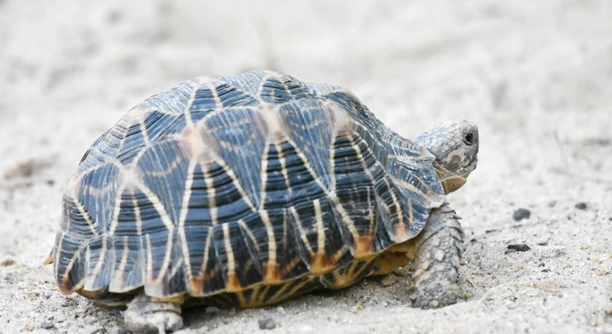
UVB light is essential for the health of your Indian star tortoise. Without proper exposure, it can lead to health issues that affect their growth and overall well-being. Here’s what to look out for.
If your Indian star tortoise is not getting enough UVB light, it can result in a weakened shell, poor appetite, and other health concerns. UVB exposure is critical for calcium absorption and maintaining strong bones, making it vital for your tortoise’s overall health.
Understanding the signs that your tortoise may need more UVB light can help you take action before issues develop. Improving their light exposure will lead to a healthier and happier tortoise.
Lack of UVB Light and Its Effects on Your Indian Star Tortoise
Without proper UVB lighting, your Indian star tortoise can face a range of health problems. UVB light helps your tortoise produce vitamin D3, which is crucial for absorbing calcium. Without this, they might experience shell deformities, metabolic bone disease, and poor growth. These health issues stem from calcium deficiencies, as they can’t process the nutrient without UVB exposure. It’s essential to make sure your tortoise is exposed to UVB light daily, as it directly influences their ability to stay healthy. Even short periods of inadequate UVB can have long-lasting effects on their health, especially in young tortoises that are still growing.
UVB light isn’t optional for your tortoise. It’s a must for maintaining bone strength and overall health. Without it, they cannot thrive.
If you notice your tortoise becoming lethargic or eating less, these could be signs of UVB deficiency. They may also begin to develop soft spots on their shell, or their shell may become brittle. These issues can be prevented with proper UVB lighting. If you suspect your tortoise is suffering from a lack of UVB exposure, the first step is to check their light setup. Ensure that the UVB light is at the correct distance from their enclosure, and it’s strong enough to provide the necessary rays. You should also replace the bulb regularly, as UVB bulbs lose their effectiveness over time.
Physical Signs of UVB Deficiency
One of the first things you might notice with a UVB deficiency is a noticeable change in behavior.
A tortoise that is not receiving enough UVB light might stop eating and appear much less active than usual. This can also result in slower movement and a general lack of energy. Another sign is shell softening, where the once-hard shell feels flexible or deformed. This is often seen with calcium deficiency and can be dangerous. If left unaddressed, the condition can worsen, leading to serious health issues. It’s important to monitor your tortoise’s behavior closely and check for any signs that might indicate something is wrong.
When a tortoise has a UVB deficiency, their metabolism struggles. This impacts their ability to digest and absorb nutrients, leaving them undernourished despite eating. This lack of proper nutrition affects growth and overall health. Tortoises with this issue can also experience poor shell growth, leaving them more vulnerable to infections. Over time, they may develop bone deformities. If you see your tortoise getting thinner, moving slower, or acting disinterested, it could be due to inadequate UVB exposure. Immediate action to provide proper lighting can make a huge difference in your tortoise’s health.
Tortoise’s Shell Quality and UVB Deficiency
A healthy tortoise shell is strong and hard, but poor UVB exposure can cause it to soften.
When a tortoise doesn’t get enough UVB light, calcium absorption is hindered, which weakens their shell. This condition, called metabolic bone disease, leads to softening and deformities. The shell may appear softer than usual, or you might notice small indentations, especially in younger tortoises. If the shell becomes weak, it may also affect the structure, causing it to lose its shape. This makes the tortoise more vulnerable to injury. Over time, poor shell health can also impair the tortoise’s mobility. It’s essential to observe any changes in the shell and address them quickly.
Softness in the shell is a clear indicator that your tortoise may need more UVB light. If you see your tortoise’s shell becoming deformed or soft, take immediate steps to ensure their lighting setup is corrected. UVB lighting should be a key part of your tortoise’s daily care routine to keep their shell strong and healthy.
Lethargy and Low Activity Levels
Low energy and inactivity can also signal that your tortoise is not getting enough UVB light.
UVB light plays an essential role in a tortoise’s energy levels. Without it, they often become more sluggish and less motivated to move around. This behavior is commonly seen in reptiles who are deprived of UVB, as they are unable to properly process calcium and other nutrients. As a result, they may sleep more, eat less, or simply sit in one spot for long periods. If your tortoise suddenly starts acting lethargic or refuses to explore their environment, consider checking their UVB light source.
When the UVB light is inadequate, the tortoise’s metabolism can slow down, which affects their overall vitality. They may become disinterested in food and show less movement, often staying in one place. If your tortoise shows these signs, providing additional UVB light can help stimulate their activity levels and improve their health.
Decreased Appetite
A lack of UVB light can cause a tortoise to lose interest in food.
When a tortoise isn’t receiving enough UVB, their ability to absorb calcium decreases. This leads to a lack of appetite, as they may feel weak or unwell. If your tortoise suddenly stops eating or has a reduced appetite, check their UVB light setup to ensure they’re getting enough exposure.
Inadequate UVB light affects digestion and appetite, often leading to poor feeding habits. A tortoise that isn’t eating properly can become undernourished, which in turn worsens their overall health. Proper UVB light will encourage feeding and ensure your tortoise gets the nutrients it needs to stay strong.
Shell Discoloration
Discoloration of the shell could indicate a UVB deficiency.
When UVB light is lacking, a tortoise’s shell might start changing color. This can result in yellowing or a dull appearance, often accompanied by weakness. Ensure your tortoise receives enough UVB light to maintain a healthy and vibrant shell color.
A healthy shell should be firm and have a consistent color. If your tortoise’s shell begins to discolor or develop patches, it could be a sign that they are not getting the necessary UVB light. Fixing the lighting setup can help restore their shell’s color and strength.
FAQ
How much UVB light does my Indian star tortoise need?
Your Indian star tortoise needs about 10 to 12 hours of UVB light every day. This should be from a proper UVB bulb that provides UVB rays strong enough for your tortoise to absorb calcium and produce vitamin D3. Make sure the light is positioned at the right distance from your tortoise, generally within 12 to 18 inches, depending on the type of bulb. You should also replace the UVB bulb every 6 to 12 months, as the UVB output decreases over time.
Can my tortoise get UVB light from natural sunlight?
Yes, your tortoise can benefit from natural sunlight. It’s an excellent source of UVB rays, which are essential for their health. If possible, allow your tortoise to spend time outdoors in a safe, controlled environment. However, you must ensure that they have access to shade and can retreat if it becomes too hot. If you are using natural sunlight, remember to limit the time spent under the rays to avoid overheating.
What happens if my tortoise doesn’t get enough UVB light?
Without enough UVB light, your tortoise can develop several health problems. The most common issue is metabolic bone disease, which occurs when they cannot properly absorb calcium. This can result in a soft shell, poor bone development, and weak muscles. Your tortoise may also become lethargic, stop eating, or have a reduced appetite. In severe cases, these problems can cause deformities and even death.
How do I know if my UVB bulb is working properly?
Over time, UVB bulbs lose their effectiveness. Even if the light still works, it may not be emitting enough UVB rays to benefit your tortoise. To check if your UVB bulb is working, you can purchase a UV meter to measure the intensity of UVB rays. However, a simpler method is to replace the bulb every 6 to 12 months to ensure that your tortoise is always receiving adequate UVB exposure.
Can I use a regular light bulb instead of a UVB bulb for my tortoise?
No, a regular light bulb will not provide the UVB rays that your tortoise needs. While it may provide some light, it won’t give your tortoise the necessary UVB for calcium absorption and vitamin D3 production. UVB bulbs are specifically designed to emit UV rays, which are crucial for their health. Always use a UVB-specific bulb designed for reptiles.
How do I set up the UVB light in my tortoise’s enclosure?
The UVB bulb should be placed within 12 to 18 inches of your tortoise’s basking spot. This distance may vary depending on the strength of the bulb, so always check the manufacturer’s recommendations. Ensure that the light is directly over the basking area where your tortoise spends the most time. The light should be on for 10 to 12 hours a day, with a timer to maintain a consistent day-night cycle.
How can I tell if my tortoise has a UVB deficiency?
Signs of a UVB deficiency include lethargy, loss of appetite, soft or deformed shells, and poor growth. If your tortoise seems weak or is spending more time hiding, it could be an indicator that they’re not getting enough UVB light. Watch for changes in behavior, like less movement or a lack of interest in food. If these signs occur, check the lighting setup immediately.
Can I use a UVB lamp in combination with natural sunlight?
Yes, using a UVB lamp along with natural sunlight can be a great combination. Natural sunlight is the most effective source of UVB light, but having a UVB lamp as a backup ensures your tortoise gets the right amount of exposure, even during cloudy days or when you can’t take them outside. Just make sure the lamp doesn’t replace the need for direct sunlight when possible.
What type of UVB bulb is best for my Indian star tortoise?
For your Indian star tortoise, a bulb that provides UVB in the 5.0 to 10.0 range is ideal. A T5 or T8 fluorescent bulb is a common choice, but mercury vapor bulbs also work well for larger enclosures or outdoor setups. Ensure that the bulb you select is specifically designed for reptiles to meet the needs of your tortoise.
How often should I replace the UVB bulb?
UVB bulbs should be replaced every 6 to 12 months, even if the light still seems to be functioning. Over time, the UVB output decreases, and your tortoise may no longer be receiving the proper amount of UVB light. Always check the manufacturer’s instructions for specific replacement guidelines.
Is a basking spot required for UVB exposure?
Yes, a basking spot is essential for your tortoise to receive the full benefit of UVB light. Tortoises need to bask to properly absorb the UVB rays, and a basking spot allows them to control their exposure to heat and UVB light. Set up a basking area with a UVB bulb directly above it for optimal health.
Final Thoughts
Providing the right amount of UVB light for your Indian star tortoise is vital for their overall health. UVB light helps them absorb calcium, which is essential for strong bones and a healthy shell. Without it, your tortoise can develop serious health issues like metabolic bone disease, shell deformities, and poor growth. Monitoring your tortoise’s behavior and shell condition will give you early signs if they are not receiving enough UVB light. Regularly check the UVB bulb, its placement, and the distance from your tortoise to ensure it is working effectively.
A proper lighting setup isn’t just about providing light for warmth; it’s about offering the right balance of UVB rays. This can be achieved by using the correct UVB bulb, placing it at the right distance from your tortoise’s basking spot, and ensuring it’s on for the recommended amount of time. Additionally, don’t forget that natural sunlight can be beneficial, but UVB bulbs are necessary to provide consistent light indoors, especially during cloudy days or in areas with limited sun exposure. Regularly replacing the bulb is also key, as it loses its effectiveness over time.
By paying attention to your tortoise’s behavior, shell condition, and appetite, you can spot the early signs of UVB deficiency and correct it before any serious damage occurs. UVB lighting is a simple yet important part of their care routine. Ensuring your tortoise has proper exposure will not only help them thrive but also allow them to live a long and healthy life. Making these small adjustments to their environment will go a long way in maintaining their well-being and happiness.

Hello,
If you enjoy the content that we create, please consider saying a "Thank You!" by leaving a tip.
Every little bit helps us continue crafting quality advice that supports the health, happiness, and well-being of pets around the world, for pets of all shapes, sizes, and species.
We really appreciate the kindness and support that you show us!