
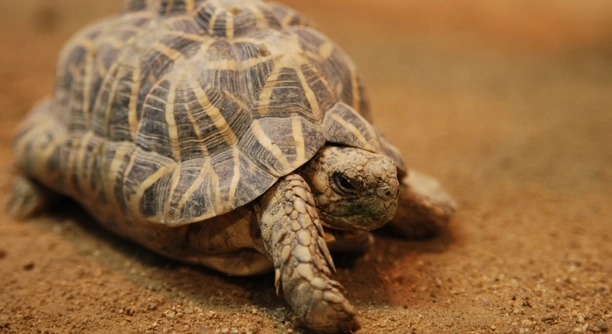
Introducing tank mates to your Indian star tortoise can be a rewarding experience. However, it requires careful consideration to ensure their well-being. This article offers tips for successfully and safely introducing tank mates to your tortoise.
To safely introduce tank mates for Indian star tortoises, it is crucial to consider the species’ temperament, space requirements, and environmental conditions. Gradual introductions, proper monitoring, and providing hiding spots are essential to ensure a peaceful and stress-free coexistence.
The process is important for maintaining harmony and a healthy environment for all animals.
Understanding Indian Star Tortoise Behavior
Indian star tortoises are calm and relatively solitary creatures. They thrive in environments where they have enough space to roam without feeling threatened. When selecting tank mates, it’s essential to choose species with similar temperaments and needs. Aggressive or overly active tank mates can stress your tortoise and disrupt its routine.
If introducing other reptiles, make sure they have compatible environmental needs. For example, both species should prefer similar temperature and humidity levels. Providing a comfortable and safe environment for all the animals is key to a successful introduction.
Slow introductions are vital. Place the new tank mate in a separate enclosure near the tortoise for a few days to gauge reactions. Afterward, observe interactions and gradually allow the tortoise and its new companion to meet, making sure to provide plenty of hiding spots and space for both animals to retreat.
Choosing Suitable Tank Mates
Tank mates must meet the basic care requirements of the tortoise.
Avoid species that are aggressive, territorial, or require different environmental conditions. Stick to animals that share similar habits and needs for the best results.
Preparing the Tank
Before introducing new tank mates, ensure the tank is large enough to accommodate everyone comfortably. Overcrowding can lead to stress and competition for food and space. Adequate space ensures that each animal has room to establish its own territory and can avoid potential conflicts.
A spacious tank also allows for better environmental control, such as temperature and humidity, which are essential for the health of your tortoise and its companions. Add plenty of hiding spots and basking areas so that each animal has a place to retreat when it feels overwhelmed. Make sure the substrate is suitable for all species to prevent injury and discomfort.
Regularly clean the tank to maintain a healthy living environment. A clean tank reduces the risk of illness, ensuring that all animals are comfortable and safe. It’s also important to monitor the tank conditions, such as water quality and heat sources, to make sure they remain consistent.
Observing Initial Interactions
The first meeting between the tortoise and its new tank mate should always be carefully monitored.
Look for signs of stress, such as hiding or excessive aggression. If the tortoise seems to become defensive or fearful, separate the animals and try again later. It’s essential to give them time to adjust before considering further introductions.
Setting Boundaries for Tank Mates
Set clear boundaries for the animals in the tank. This helps reduce stress and conflict. Provide enough space for each species to establish its own area, ensuring that no one feels threatened or overcrowded. This also allows your tortoise to feel secure in its environment.
Create areas within the tank where the tortoise and its companions can retreat if they need privacy. Including multiple basking spots, hideouts, and feeding stations will help reduce territorial behavior. Monitor the interactions closely to see if any tank mates need to be separated due to aggressive tendencies.
Monitoring Feeding Time
Feeding time is crucial to ensure that all tank mates get enough food without competition.
Make sure each animal has its own designated feeding area. This will prevent food from being stolen or guarded by more dominant species, creating unnecessary stress for the tortoise. Be mindful of each animal’s dietary needs and provide the appropriate food at the right time.
Stress Management for Tank Mates
Keeping stress levels low is essential for the well-being of all animals in the tank.
Minimize sudden changes, such as drastic temperature fluctuations or adding new animals too quickly. Ensure the tank is kept in a quiet, low-traffic area to avoid startling the animals.
FAQ
What are the best tank mates for Indian star tortoises?
Indian star tortoises are calm and generally prefer a solitary environment, but if you choose to add tank mates, consider species with similar temperaments and environmental needs. Tortoises that are slow-moving and non-aggressive, such as other slow reptiles like box turtles, can work well. Avoid species that might be overly active or aggressive, such as larger lizards or territorial turtles. Additionally, ensure that the tank provides enough space and resources for both species to coexist comfortably.
How can I tell if my tortoise is stressed by its tank mate?
Signs of stress in your tortoise may include excessive hiding, loss of appetite, or an unwillingness to move around. If your tortoise becomes defensive, constantly retreats into its shell, or seems unusually aggressive toward its tank mate, these are all signs that the introduction might not be going well. Be sure to remove any stressful animals and try again after a period of adjustment.
How much space do tank mates need in the same enclosure?
The more space, the better. A larger tank ensures that both species have enough room to move around without feeling crowded. A general rule of thumb is to provide at least 10 square feet of space per animal. This can help prevent territorial disputes and offer the tortoise and its companions their own areas for feeding, basking, and hiding.
Can I introduce multiple animals at once?
Introducing multiple tank mates at once can increase the risk of stress and aggression. It’s better to introduce one animal at a time to allow each one to adjust to the presence of the other. Start with the most compatible species and monitor their interactions closely before adding any additional animals.
What should I do if my tortoise becomes aggressive toward its tank mate?
If aggression occurs, separate the animals immediately to avoid injury. Place the animals in separate enclosures for a period of time, then try a gradual reintroduction. Introduce the animals by keeping them in separate enclosures placed near each other, so they can observe one another without direct contact. Keep monitoring them until you’re sure they can coexist peacefully.
How do I prevent my tortoise from being bullied by its tank mate?
If your tortoise is being bullied, provide more hiding spots and areas where it can retreat. This will help the tortoise feel safer. You may also need to provide more basking spots or feeding stations to avoid competition. If bullying continues, consider separating the animals to prevent stress or injury.
Can I keep a tortoise and a fish together in the same tank?
It’s generally not a good idea to house tortoises and fish together. Tortoises tend to dig, disturb the water, and may accidentally harm the fish. Additionally, their dietary needs are very different, and fish are often not a compatible companion for a land-based tortoise. It’s best to house them in separate enclosures with species-specific setups.
How do I maintain the right temperature and humidity for multiple species in the same tank?
Maintaining proper environmental conditions is crucial for all animals in the tank. Invest in a good thermometer and hygrometer to monitor temperature and humidity. Most tortoises prefer a warm basking area with temperatures around 90°F and a cooler side around 75°F. Humidity should be around 50% to 60%. If your tank mates have different temperature or humidity preferences, you may need to create microclimates within the tank by providing different zones, such as a hot basking spot and a cooler area.
What types of food can I give to my tortoise and its tank mates?
Indian star tortoises are herbivores and should primarily eat leafy greens, grasses, and vegetables. If you are introducing other animals, make sure their dietary needs align with those of the tortoise. Avoid feeding animals that require protein or have carnivorous diets in the same tank, as this can lead to competition for food and potential conflict.
Should I separate my tortoise from its tank mate at night?
While some species are nocturnal and might not interact as much at night, it’s still a good idea to separate your tortoise from its tank mate if there’s any sign of aggression or stress. Providing separate spaces for each animal to sleep can help them feel safe and reduce the risk of overnight conflicts.
How long does it take for tortoises to adjust to new tank mates?
Adjusting to new tank mates can take anywhere from a few days to several weeks. It’s important to monitor interactions closely during this time and make adjustments as needed. If the animals are not getting along, separate them and try again later. Patience is key in these situations.
Can I keep Indian star tortoises with other reptiles?
Indian star tortoises can sometimes cohabitate with other reptiles if the species are compatible in terms of temperament, diet, and environmental needs. However, always proceed with caution. Many reptiles are territorial, and introducing them to a tortoise’s space can lead to stress or even aggression. If you choose to introduce another reptile, make sure it has a similar temperament and does not pose a threat to the tortoise.
What if my tortoise is not eating due to stress from a new tank mate?
Stress can cause a tortoise to lose its appetite. If this happens, remove the stressful tank mate and give the tortoise time to settle back into its routine. Once the tortoise is eating again, you can try to reintroduce the tank mate more gradually. Make sure to monitor the tortoise’s behavior closely.
Final Thoughts
Introducing tank mates to your Indian star tortoise can be rewarding, but it requires careful planning. It’s important to choose animals that share similar environmental and behavioral needs. The key is ensuring that each species has enough space to thrive without feeling threatened or overcrowded. Overcrowding can lead to stress, which negatively affects the health and well-being of all tank mates. When choosing tank mates, consider not only their temperament but also their size and diet. Some animals may seem like good companions at first, but once housed together, they may become territorial or aggressive, making peaceful coexistence difficult.
The introduction process should be gradual and monitored carefully. It’s a good idea to start by placing new animals in separate enclosures close to each other. This allows them to observe one another without direct contact, reducing the chances of stress or aggression. Over time, and with patience, the animals can be introduced slowly. Watch for any signs of stress or conflict during the process. If things aren’t going well, separate the animals and reconsider their compatibility. Every animal is unique, so what works for one tortoise may not work for another. Flexibility and attention to detail are crucial during this phase.
Lastly, remember that the goal is to create a peaceful and enriching environment for your tortoise. If you find that tank mates are not a good fit, it’s better to house the tortoise on its own. The health and safety of your tortoise should always be the priority. Regularly check that the tank conditions are optimal for all animals, including temperature, humidity, and cleanliness. By maintaining proper care and being mindful of your tortoise’s needs, you can ensure a harmonious and healthy living situation for your tank mates, whether they are other reptiles or not.

Hello,
If you enjoy the content that we create, please consider saying a "Thank You!" by leaving a tip.
Every little bit helps us continue crafting quality advice that supports the health, happiness, and well-being of pets around the world, for pets of all shapes, sizes, and species.
We really appreciate the kindness and support that you show us!