
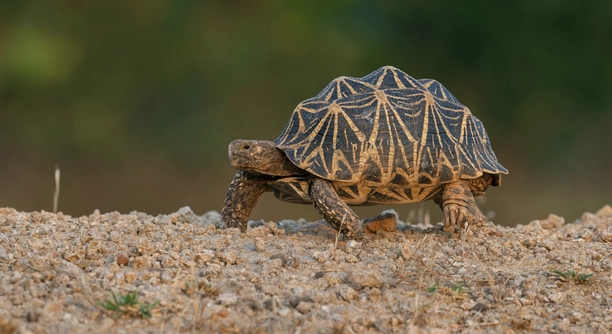
Indian Star Tortoises are fascinating creatures with unique dietary preferences. Understanding why they avoid eating fresh food can help their caretakers ensure they stay healthy and well-nourished. Let’s explore the reasons behind this behavior.
Indian Star Tortoises avoid eating fresh food due to a variety of factors, including their natural habitat, digestive needs, and evolutionary diet preferences. Their instincts often lead them to prefer dried or less perishable food sources over fresh options.
Understanding these reasons will provide valuable insight into their dietary habits and help you offer better care for your pet tortoise.
Natural Habitat and Diet Preferences
Indian Star Tortoises are native to dry, arid regions of India and Sri Lanka, where fresh vegetation is often sparse. Their diet in the wild mainly consists of dried grasses, leaves, and flowers, which are more accessible in their environment. This dietary pattern influences their behavior in captivity. When given fresh food, they may not recognize it as familiar or necessary for their diet, preferring the dry, fibrous options they are used to. Additionally, the nutritional content of fresh food might not align with their digestive needs, making them more selective about what they eat.
The diet of these tortoises has evolved over time to suit their environmental conditions. Fresh food is simply not a natural part of their diet, leading to a preference for food that has been dried or preserved in some way.
Understanding these dietary instincts can help caregivers provide appropriate food options for the tortoises, ensuring they stay healthy and satisfied.
Digestive Considerations
Tortoises are designed to eat food that is high in fiber and low in moisture. Their digestive systems are adapted to process dried materials. When presented with fresh food, it may not align well with their digestive needs. Fresh fruits and vegetables, which are often high in water content, can disrupt their delicate gut balance.
Over time, a tortoise that is consistently offered fresh food might experience issues such as diarrhea or bloating. This is not an ideal situation for the tortoise, as it can affect their overall health. While fresh food can be offered occasionally, it should be done cautiously and in small amounts to avoid upsetting their digestion.
Sticking to a diet that mirrors what they would consume in their natural habitat is key to maintaining a tortoise’s well-being. Keep this in mind when planning their meals.
Environmental Stress
Exposure to fresh food can also cause environmental stress for the tortoise. These animals are creatures of habit, and significant changes in their food offerings can make them uneasy. Introducing fresh food into their environment might create an unfamiliar situation that leads to a refusal to eat altogether.
For example, a sudden switch to fresh vegetables or fruits can be overwhelming for the tortoise. This could cause them to retreat into their shells, avoiding both the new food and the perceived disruption in their routine. It’s important to slowly transition them to new foods, ensuring that their comfort and familiar habits are maintained.
By offering food that closely resembles their natural diet, tortoises can better adapt to the feeding routine. It’s crucial to respect their natural tendencies and preferences when providing them with food, as forcing changes can lead to stress and a lack of appetite.
Feeding Schedule and Routine
Consistency in a feeding schedule is important for Indian Star Tortoises. They thrive on routine, and any sudden changes to their feeding times or the type of food offered can cause confusion. Fresh food, being a deviation from their usual meals, can disrupt their appetite. Tortoises are more likely to eat when they are fed on a regular schedule, with familiar food options. This consistency helps them feel secure in their environment, reducing stress and improving their overall health.
When introducing new foods, it’s best to do so gradually. For example, you can mix small amounts of fresh food with their usual dry offerings. This allows them to adjust without feeling overwhelmed by an unfamiliar food type. Be patient, as it may take time for them to adapt to any changes in their diet. Keeping a predictable routine will also help foster positive eating habits over time.
A well-balanced, consistent diet is key to ensuring your tortoise thrives. Routine feeding also contributes to their mental well-being and can improve their feeding behavior. Avoid overwhelming them with new foods or sudden changes in their schedule, as this can lead to feeding issues.
Impact of Food Texture
Indian Star Tortoises have specific preferences when it comes to the texture of their food. They tend to favor dry, coarse, and fibrous materials, which are easier for them to chew and digest. Fresh food, often being softer and wetter, may not meet these preferences. The texture of fresh fruits and vegetables can be challenging for them to handle. As a result, tortoises may avoid eating fresh food altogether in favor of something more familiar and manageable.
The dry texture of grasses and leaves in their natural environment plays an essential role in maintaining their digestive health. Soft, fresh food may not stimulate their digestive system in the same way, which could explain why they avoid it. Offering food with a similar texture to what they would naturally consume is the best approach for ensuring they get the nutrients they need without any digestive issues.
Providing a diet that aligns with their natural texture preferences is essential. While occasional fresh food can be offered, it should never replace the primary food sources they are most comfortable eating.
Temperature and Environmental Factors
Indian Star Tortoises are sensitive to temperature changes in their environment. If the temperature is too high or low, it can affect their appetite. Fresh food can spoil quickly in extreme conditions, making it less appealing for the tortoise. Fresh food is also more likely to spoil in an unstable environment.
If the temperature is not ideal, tortoises may avoid eating altogether. This can be a result of their instinct to slow down their metabolism in cooler conditions. Ensuring the environment stays warm and consistent will help maintain their eating habits and overall well-being. A stable habitat temperature encourages them to feed regularly.
Hydration and Fresh Food
Tortoises naturally obtain their hydration from the plants they consume. Fresh food, such as vegetables and fruits, contains high amounts of water. Although this seems beneficial, tortoises in captivity may not recognize fresh food as a reliable source of hydration, especially if they have access to water.
Proper hydration is crucial for maintaining tortoises’ health. It’s important to ensure they are drinking enough water through other sources, as fresh food alone may not fulfill their needs. Offering water alongside their meals, and making sure they have access to clean water at all times, will help keep them hydrated and content.
Overfeeding Concerns
Overfeeding is another issue that can prevent tortoises from eating fresh food. When tortoises are fed too frequently, they may develop a decreased appetite for fresh food. Their natural instinct is to conserve energy when they feel full, leading to an overall avoidance of food.
FAQ
Why does my Indian Star Tortoise avoid fresh food?
Indian Star Tortoises avoid fresh food for several reasons. They are naturally accustomed to a diet of dry grasses, leaves, and flowers, which align better with their digestive systems. Fresh food, with its higher moisture content and softer texture, doesn’t match what they are used to. Additionally, these tortoises are creatures of habit, and any drastic change in food offerings may cause stress, leading them to refuse fresh food.
How can I encourage my tortoise to eat fresh food?
Start by introducing small amounts of fresh food mixed with their regular diet. This gradual approach allows your tortoise to adjust to the new food without feeling overwhelmed. Be patient, as it may take time for them to accept fresh food. Continue offering fresh options occasionally, but ensure they are still getting their usual diet, which is more familiar and suited to their needs.
Can I feed my Indian Star Tortoise only dry food?
While dry food, such as grasses and hay, is the primary component of an Indian Star Tortoise’s diet, it is beneficial to provide variety. Fresh food can be offered in moderation, but it should not replace the dry food. The main goal is to mimic their natural diet as closely as possible, ensuring they receive balanced nutrition.
Is it safe to feed my tortoise fresh vegetables?
Fresh vegetables can be offered, but they should be given sparingly. Tortoises have trouble digesting high-water-content foods, which can cause issues like diarrhea or bloating. Offer small portions of vegetables, such as leafy greens or dandelion greens, alongside their usual dry food to ensure a balanced diet without overwhelming their digestive system.
How often should I feed my Indian Star Tortoise fresh food?
Fresh food should be offered occasionally, around once or twice a week, to prevent disrupting their digestion. The primary diet should consist of dry materials such as grasses and hay. Offering fresh food too frequently can cause digestive issues and encourage picky eating habits, so moderation is key.
Should I worry if my tortoise refuses to eat fresh food?
If your tortoise refuses fresh food, it’s generally not a cause for concern, especially if they are eating their usual dry food. Tortoises have natural instincts that guide their dietary preferences, and they may simply prefer what they are used to. However, if they consistently refuse food, it could indicate other health issues, and you should consult a vet.
Can fresh fruit be a part of my tortoise’s diet?
Fresh fruit should be given in very limited amounts. While it can be a treat, it’s high in sugar and moisture, which can cause digestive issues. Offering fruit too often can lead to obesity or other health problems. If fed, it should be considered a rare addition, not a regular part of their diet.
How can I make my tortoise’s diet more interesting?
To add variety, try offering different types of dried grasses, leaves, and flowers, which simulate what they would naturally eat. Occasionally, fresh herbs such as basil, parsley, or cilantro can be added, but in moderation. The key is to offer a mix of familiar dry food and small amounts of fresh food to keep their meals interesting while avoiding overfeeding.
What is the best way to store fresh food for my tortoise?
Fresh food should be stored in the refrigerator to maintain its freshness. Keep it in a sealed container to prevent it from spoiling too quickly. When offering fresh food, ensure it has been washed thoroughly to remove any pesticides or contaminants. Always serve fresh food in small portions to avoid waste.
How do I know if my tortoise is getting enough nutrition?
A healthy Indian Star Tortoise should have a well-rounded diet, with proper fiber intake from dried grasses and some fresh food. They should remain active and alert. If you notice signs of lethargy, weight loss, or a lack of appetite, it could indicate nutritional deficiencies or other health issues, and you should consult a vet for advice. Regular weight checks and observing your tortoise’s activity level are good ways to monitor their health.
Final Thoughts
Indian Star Tortoises have specific dietary needs that are influenced by their natural environment. These tortoises primarily consume dry grasses, leaves, and flowers in the wild, which are low in moisture content and easy for their digestive systems to process. Fresh food, while beneficial in small amounts, may not be something they readily accept due to differences in texture and moisture content. Over time, they may develop a preference for their traditional food, and this can make introducing fresh food a slow process. Understanding their natural habits and instincts can help us provide the best care.
When feeding your Indian Star Tortoise, the key is balance. While fresh food like vegetables and fruits can provide additional nutrients, it should not be the main part of their diet. Instead, focus on offering them dry grasses, hay, and other plant matter that mirrors their natural food sources. Fresh food can be offered as an occasional treat, but it should be introduced slowly and in small amounts to avoid causing digestive issues. It’s also important to be aware of their hydration needs, as they may not always recognize fresh food as a water source. Make sure they have access to clean water at all times.
Ultimately, the well-being of your tortoise depends on their ability to maintain a diet that suits their digestive system and nutritional needs. Consistency is essential, so try not to overwhelm them with too many changes at once. Gradually offering fresh food and ensuring they have the right environment for eating and digesting will help maintain their health and appetite. By respecting their natural tendencies and being patient, you can ensure your Indian Star Tortoise thrives in a balanced and comfortable environment.

Hello,
If you enjoy the content that we create, please consider saying a "Thank You!" by leaving a tip.
Every little bit helps us continue crafting quality advice that supports the health, happiness, and well-being of pets around the world, for pets of all shapes, sizes, and species.
We really appreciate the kindness and support that you show us!