
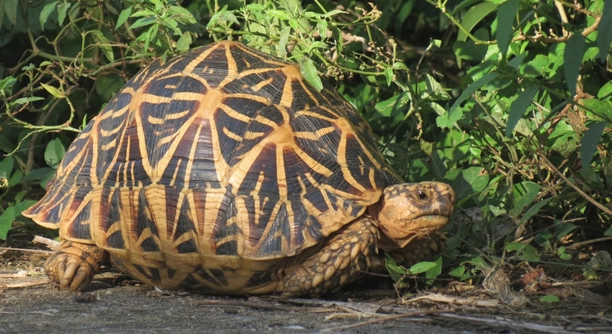
If you own an Indian Star Tortoise, you may notice it often attempts to escape its enclosure. This behavior can be confusing, as these tortoises are usually calm and content when properly cared for in their environment.
The primary reason your Indian Star Tortoise might try to escape is due to a lack of stimulation or an inadequate habitat. This species requires a spacious, enriching environment with opportunities for exploration, basking, and digging to feel secure and content.
Understanding these factors can help you create a more suitable environment for your tortoise and prevent escape attempts.
Why Do Indian Star Tortoises Try to Escape?
Indian Star Tortoises are known for their calm nature, but when they constantly try to escape, it’s a sign something’s wrong. If they have been provided with an inadequate habitat, they may feel stressed or uncomfortable. A cramped space with little room to roam or inadequate hiding places can make them feel insecure. This is especially true if the environment doesn’t reflect their natural habitat, which consists of open areas with varied temperatures. When their basic needs aren’t met, they may attempt to escape in search of a more comfortable space.
Their behavior can also be influenced by the enclosure’s temperature and humidity levels. Tortoises need to regulate their body temperature, and if the environment is too hot or too cold, they may become restless. Providing a basking area and cooler spaces will help them feel more secure. It’s also essential to ensure the enclosure has proper ventilation. Without a comfortable setting, your tortoise’s instinct might push them to seek a better place, leading to escape attempts.
How to Prevent Escape Attempts
A proper enclosure setup is key to keeping your tortoise happy. It’s vital to create a habitat that reflects their natural surroundings.
Providing a spacious, well-ventilated habitat with plenty of hiding spots will reduce escape behaviors. The enclosure should include both warm and cool zones, allowing your tortoise to regulate its temperature.
Enclosure Size Matters
A small enclosure is one of the most common reasons your tortoise might try to escape. Indian Star Tortoises need room to roam, explore, and dig, so a cramped space can lead to frustration. They are not meant to be confined to tiny enclosures that restrict movement.
When setting up an enclosure, aim for one that is at least 4 feet long and 2 feet wide. This gives your tortoise the space it needs to move freely. The more room they have, the less likely they are to feel the urge to escape. Avoid overcrowding the enclosure with too many accessories, as this can also limit space.
If your tortoise has room to move, they will feel less stressed and more comfortable in their environment. A spacious enclosure will encourage natural behaviors like walking, basking, and foraging, making them feel secure and reducing escape attempts.
Providing Enrichment
Indian Star Tortoises are naturally curious, and without enrichment, they can become bored. A lack of stimulation leads to stress, and this often manifests as escape attempts. Enrichment can include natural elements like plants, rocks, and branches for climbing or hiding.
Consider adding digging materials, like soil or sand, as tortoises enjoy burrowing. Hiding spots provide a sense of security, while varied textures keep their environment interesting. Regular changes to the setup can also help prevent monotony. Introducing new objects or rearranging existing ones will keep your tortoise engaged and mentally stimulated.
Regular interaction and observation are also important. By engaging with your tortoise through gentle handling or offering food items they must work for, you can enrich their environment.
Temperature and Humidity
Temperature and humidity play a crucial role in a tortoise’s comfort. If your tortoise feels too hot or too cold, they may try to escape the enclosure in search of better conditions. It’s important to maintain the right environment.
Ensure that your tortoise has access to both warm and cooler areas within the enclosure. The warm zone should range between 90°F and 100°F, while the cooler zone should be around 75°F. Humidity levels should be kept at a moderate level, between 50% and 60%. These conditions will help keep your tortoise comfortable.
Lighting and UVB
Proper lighting is essential for an Indian Star Tortoise’s health. Without the right lighting, they may feel stressed and attempt to escape in search of sunlight. UVB lighting helps them synthesize vitamin D3, which is vital for shell and bone health.
Ensure that your tortoise’s enclosure includes a UVB light source that provides around 10-12 hours of light per day. This will not only prevent them from trying to escape but also promote overall well-being. Replacing the UVB bulb every 6 to 12 months is recommended for optimal health.
Safe Outdoor Time
Allowing your tortoise to explore outside can reduce escape behavior. Outdoor enclosures provide more space and natural enrichment. Always supervise your tortoise during outdoor time to prevent them from wandering off or being exposed to predators.
A secure outdoor setup can give your tortoise a sense of freedom while keeping them safe. Be sure to set up barriers high enough to prevent them from climbing over, and provide shaded areas for them to cool off. This allows them to enjoy a natural environment while staying safe and secure.
FAQ
Why is my Indian Star Tortoise always trying to escape?
Your tortoise might be trying to escape because the enclosure is too small or lacks the proper enrichment. A cramped environment with limited opportunities to explore, dig, and bask can make your tortoise feel stressed and restless. Without enough space to roam and natural elements to interact with, they may seek an escape route. Ensure the enclosure is spacious and provides a variety of elements to keep your tortoise mentally stimulated. This will help reduce the urge to escape.
How can I make my tortoise feel secure in its enclosure?
Providing a well-structured habitat is essential for making your tortoise feel secure. Include hiding spots, natural materials like rocks and plants, and areas to bask. Creating both warm and cooler zones will allow your tortoise to regulate its body temperature. The key is to replicate the natural environment as much as possible to help your tortoise feel at ease.
How much space does an Indian Star Tortoise need?
An Indian Star Tortoise needs a spacious enclosure to thrive. A minimum of 4 feet long and 2 feet wide is ideal. This space allows them to move around freely, bask, and explore. The more room you provide, the less likely they are to feel the need to escape. Remember that bigger is always better, as long as it’s designed thoughtfully to accommodate their needs.
What temperature should I keep my tortoise’s enclosure?
Maintaining the proper temperature gradient is essential for your tortoise’s well-being. The warm zone should be between 90°F and 100°F, while the cooler zone should be around 75°F. This gradient allows your tortoise to regulate its body temperature as needed. Avoid extremes, as temperature fluctuations can stress them out, leading to escape behavior.
Does my tortoise need UVB light?
Yes, UVB light is essential for your tortoise’s health. It helps them synthesize vitamin D3, which is vital for strong bones and a healthy shell. Without UVB light, your tortoise could develop health issues like metabolic bone disease. Ensure that the light is positioned correctly to allow access for basking, and replace the bulb regularly to maintain optimal strength.
How can I keep my tortoise entertained?
Indian Star Tortoises are curious creatures, so providing enrichment is important. Add natural elements like rocks, logs, and plants for climbing, hiding, and exploring. You can also bury food or hide it in different spots to encourage foraging behavior. Changing the layout occasionally keeps the environment interesting and mentally stimulating. Enrichment will help prevent boredom and escape attempts.
Is it okay to let my tortoise roam outside?
Yes, allowing your tortoise to roam outside is a great way to provide them with more space and natural enrichment. Just make sure the outdoor area is secure, with proper fencing that prevents your tortoise from escaping. Always supervise your tortoise to ensure their safety and avoid any potential risks like predators or harmful plants. Outdoor time can help reduce escape behavior and provide a more enjoyable environment.
What kind of substrate should I use for my tortoise?
A suitable substrate should be natural and safe for digging. Consider using a mix of soil, sand, or coconut fiber to allow your tortoise to burrow and dig, which is essential for their well-being. Avoid using loose substrates like gravel or sand that may cause impaction if ingested. The substrate should also be easy to clean and maintain. Regularly check the humidity levels to ensure they remain within the recommended range for your tortoise.
Can I use a glass tank for my tortoise?
While glass tanks can work for smaller tortoises, they’re not ideal for Indian Star Tortoises. Glass enclosures may not provide adequate ventilation, which can lead to humidity issues and temperature fluctuations. Additionally, they can be too small and lack the proper space for your tortoise to roam. A larger, more open enclosure made of materials like wood or mesh would provide a better environment for your tortoise’s health and comfort.
How often should I clean my tortoise’s enclosure?
Cleaning the enclosure regularly is essential to keep it hygienic and free from bacteria. Remove waste and uneaten food daily. Spot-clean the substrate weekly, and do a full cleaning every month or so. This includes replacing the substrate if necessary, cleaning the walls, and sanitizing any accessories. Keeping the enclosure clean will help reduce the chance of disease and ensure a healthy living environment for your tortoise.
Final Thoughts
Understanding why your Indian Star Tortoise keeps trying to escape is the first step in creating a better environment for it. These tortoises are naturally curious, and if they feel uncomfortable or restricted, they may attempt to escape. It is essential to ensure their enclosure is large enough to accommodate their need for movement and exploration. Providing an environment with both warm and cool areas, appropriate lighting, and proper humidity levels will help keep your tortoise comfortable and reduce stress. When they feel safe and content, they are less likely to seek an escape.
Creating a more natural, enriching environment for your tortoise can also help reduce escape attempts. Adding elements such as rocks, plants, and hiding spots gives your tortoise a chance to explore, forage, and bask, all of which mimic the natural habitat. Changing the layout of the enclosure regularly can also provide mental stimulation and prevent boredom. Enrichment is key to ensuring that your tortoise has a fulfilling life, reducing its desire to escape due to restlessness or frustration.
Finally, if you find your tortoise is still trying to escape, it may be a sign that something needs to be adjusted. It could be the temperature, lighting, or even the size of the enclosure. In some cases, giving your tortoise outdoor time can help, but always ensure that the area is secure to prevent them from running away or being harmed. By paying attention to your tortoise’s needs and behaviors, you can create an environment that is safe, comfortable, and enriching, allowing both you and your tortoise to enjoy each other’s company.

Hello,
If you enjoy the content that we create, please consider saying a "Thank You!" by leaving a tip.
Every little bit helps us continue crafting quality advice that supports the health, happiness, and well-being of pets around the world, for pets of all shapes, sizes, and species.
We really appreciate the kindness and support that you show us!