
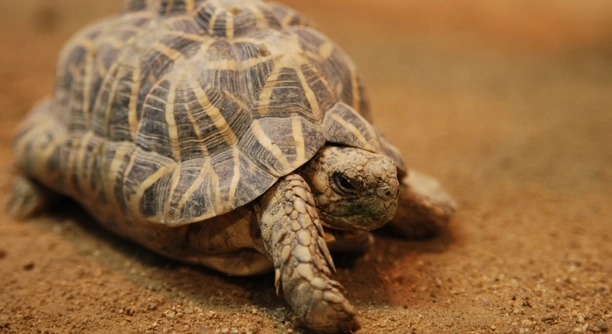
The Indian Star Tortoise is a unique pet, known for its beautiful shell. However, shell cracks can occur, leading to concerns for your tortoise’s well-being. Understanding how to manage these issues is essential for their care.
Managing cracks in the Indian Star Tortoise’s shell requires a thorough approach. Start by assessing the damage and addressing the underlying cause. Common remedies include applying healing ointments, adjusting their environment, and ensuring proper nutrition for shell recovery.
There are several effective methods to prevent further damage and promote healing. Maintaining a safe habitat and regular vet check-ups will also support your tortoise’s overall health and well-being.
Common Causes of Shell Cracks in Indian Star Tortoises
Shell cracks in Indian Star Tortoises can happen due to various reasons. One of the most common causes is physical trauma. If your tortoise falls or gets accidentally knocked against hard surfaces, it can cause a crack. Improper handling can also lead to shell damage. Environmental factors, such as extreme temperatures or improper humidity levels, may weaken the shell, making it more vulnerable. Additionally, a poor diet lacking calcium and other essential nutrients can contribute to brittle shells. Stress and lack of space to move around freely can further weaken your tortoise’s shell, increasing the risk of cracks.
It is crucial to examine their environment and care routine to identify any potential risks. Addressing these factors can help prevent further shell damage. A well-balanced diet, proper housing, and safe handling techniques are key to maintaining a healthy shell.
Ensuring the habitat is free from hazards and providing a nutritious diet can help prevent cracks. Regularly checking their shell condition is also essential for early intervention, preventing long-term damage.
Remedies for Healing Shell Cracks
One of the most effective ways to manage shell cracks is through timely treatment. When cracks occur, cleaning the area gently with warm water is essential to remove dirt and debris. Next, apply an antibacterial ointment specifically designed for reptiles. This helps protect the area from infection, which is a significant risk. It is also important to avoid exposing the damaged shell to water or moisture for extended periods, as this can lead to further damage.
In more severe cases, a vet may recommend wrapping the shell with a sterile bandage to provide extra protection. This can help shield the crack from dirt and further injury during the healing process. During recovery, it is crucial to limit the tortoise’s activity. Providing a quiet, safe space where it can rest without the risk of further damage is essential for proper healing.
Continued monitoring is necessary. If the crack worsens or shows no signs of improvement, a veterinarian’s consultation is the next step. They may provide more advanced treatments to ensure the tortoise’s shell fully heals and does not face any long-term complications.
Nutritional Support for Shell Repair
A proper diet is crucial in supporting the healing process of a tortoise’s shell. Calcium, vitamin D3, and other essential nutrients help strengthen the shell and encourage growth. If your tortoise is lacking in these areas, it may struggle to repair the cracks on its own. A diet rich in leafy greens, such as kale and dandelion greens, will provide these nutrients. You can also supplement their food with calcium powder to ensure they’re getting enough of this essential mineral.
It’s also important to avoid feeding your tortoise foods that are high in phosphorus, as they can interfere with calcium absorption. A balanced diet that includes a variety of vegetables will give them the best chance at healing. Make sure your tortoise is getting a mix of fiber-rich vegetables, fruits, and occasional flowers.
By providing the right nutrition, you’ll be helping your tortoise’s body naturally repair its shell. A consistent, nutrient-rich diet promotes a healthier, stronger shell and aids in long-term health. This nutritional balance is essential in maintaining their well-being and assisting in the healing process.
Environmental Adjustments for Better Healing
The environment plays a significant role in shell health. Temperature and humidity need to be controlled for optimal healing. Indian Star Tortoises thrive in environments with temperatures ranging from 80-85°F during the day. At night, temperatures can drop slightly to around 70°F. Maintaining these temperatures in the habitat is essential for recovery, as it supports proper metabolism and immune function.
Proper humidity levels also encourage healing. Humidity should be maintained at around 50-60% to prevent the shell from becoming too dry or brittle. A humidifier or regular misting can help maintain this balance. If the air is too dry, it can further weaken the tortoise’s shell, hindering the healing process.
Creating a stress-free, controlled environment helps ensure your tortoise’s recovery is as smooth and efficient as possible. Keep the enclosure free from loud noises, disturbances, or over-handling. All these factors contribute to the tortoise’s ability to heal and recover faster. The right environmental conditions are as important as proper diet and care.
Regular Veterinary Check-ups
Taking your tortoise to the vet regularly is essential for maintaining its health, especially when dealing with shell cracks. A veterinarian can assess the severity of the damage and offer professional advice on how to manage the healing process. Early detection of complications can prevent further injury.
Veterinary visits can also ensure your tortoise is free from underlying health issues. They may prescribe specific treatments or medications to aid in the recovery of the shell, offering a level of care that home remedies cannot match. A vet’s guidance can make a big difference.
Proper Handling and Care
When handling your tortoise, avoid putting excessive pressure on its shell. Lifting it properly and minimizing physical contact can prevent further damage. Be gentle and always support the tortoise evenly. Sudden drops or rough handling can lead to additional cracks or stress.
It’s also important to give your tortoise space. Overhandling can stress it out, potentially worsening its condition. Keeping a calm and steady routine when interacting with your tortoise will help it recover and feel safe.
FAQ
How can I tell if my tortoise’s shell is cracked or just scuffed?
A scuff will generally be superficial, with no depth or structural damage. It may appear as a slight scratch or abrasion on the surface. In contrast, a crack goes deeper and may affect the layers of the shell. If you notice any opening or visible break, especially if it appears to be spreading, it’s a crack. Cracks may also cause swelling or unusual behavior in the tortoise, such as lethargy or discomfort. If in doubt, consult a vet to assess the extent of the damage.
Should I try to treat the crack myself?
If the crack is minor and superficial, you may be able to treat it yourself with antibacterial ointments and proper care. However, for deeper cracks or any cracks that show signs of infection, a vet should be consulted immediately. Treating a serious crack without professional help may lead to further complications, including infections that could harm your tortoise’s overall health. In cases of severe damage, a vet might need to use specialized treatments, including bandaging or surgery.
Can my tortoise heal a cracked shell on its own?
Yes, tortoises can heal small shell cracks on their own, but it depends on the severity and the overall health of the tortoise. With proper care, including appropriate diet, environmental conditions, and avoiding further stress, minor cracks can often heal. However, larger or deeper cracks may require medical attention. If you notice the crack not improving or worsening over time, it’s best to seek veterinary care.
How long does it take for a tortoise’s shell crack to heal?
The healing process can take anywhere from a few weeks to several months, depending on the size and depth of the crack. Shallow cracks may heal within a month, while deeper cracks could take several months to fully recover. During this time, it’s essential to provide a stable environment with proper humidity, temperature, and diet to support healing. Regular vet check-ups can also help monitor progress.
Can a cracked shell cause permanent damage?
A cracked shell can potentially cause permanent damage if not treated properly. If the crack leads to an infection, it can compromise the tortoise’s health and the structural integrity of the shell. Over time, untreated cracks can worsen and lead to deformities. Early treatment and professional care can help prevent long-term damage.
What should I avoid doing when my tortoise has a cracked shell?
Avoid handling your tortoise excessively, as this can stress it out and hinder healing. Refrain from exposing the crack to excessive moisture or water, which can introduce bacteria. Don’t apply any creams or ointments that are not specifically made for reptiles, as these could irritate the wound. Lastly, avoid exposing your tortoise to extreme temperatures, as this can further compromise its ability to heal.
What are some signs of infection in a tortoise’s cracked shell?
Signs of infection include swelling around the crack, an unpleasant odor, pus, or discharge from the wound. The tortoise may also show signs of discomfort, such as excessive scratching, rubbing the shell, or lethargy. If you notice any of these symptoms, seek immediate veterinary attention. Infections can spread quickly and cause significant health issues if left untreated.
Can I give my tortoise supplements to help its shell heal?
Yes, calcium supplements can help promote healing, as calcium is essential for shell health. You can add calcium powder to your tortoise’s food, or use calcium blocks. Vitamin D3 is also crucial, as it helps with calcium absorption. Additionally, ensure your tortoise has access to a varied diet that includes nutrient-rich vegetables and occasional flowers. Be cautious, however, not to over-supplement, as this can lead to other health issues.
How can I prevent shell cracks in the future?
Prevention is key when it comes to shell cracks. Ensure your tortoise’s habitat is safe and free from sharp objects or hard surfaces that could cause injury. Provide proper lighting and heating to maintain the correct temperature and humidity levels. Make sure your tortoise gets a balanced diet, including enough calcium, and avoid handling it roughly. Regular check-ups with a vet can also help catch any issues before they become more serious.
Final Thoughts
Caring for a tortoise with a cracked shell requires attention and patience. With the right care, many cracks can heal over time without major intervention. Providing a proper diet, a stable environment, and handling your tortoise gently can all help in the recovery process. It’s essential to monitor their behavior and check for any signs of infection, as prompt action can prevent further complications. By being proactive, you give your tortoise the best chance at recovery and a healthy, strong shell.
When treating a cracked shell, remember that each tortoise heals at its own pace. Some may require veterinary attention, especially if the cracks are deep or if signs of infection appear. It’s important to consult with a vet to ensure the right treatment, as untreated shell damage can lead to lasting issues. Over time, with careful attention, most tortoises can recover fully and continue to thrive.
Lastly, preventing shell cracks is always better than dealing with them after they occur. Keeping your tortoise in a safe and well-maintained environment, along with providing a balanced diet, reduces the chances of injury. By staying vigilant and knowledgeable about your tortoise’s needs, you can help maintain their health and protect their shell from damage.

Hello,
If you enjoy the content that we create, please consider saying a "Thank You!" by leaving a tip.
Every little bit helps us continue crafting quality advice that supports the health, happiness, and well-being of pets around the world, for pets of all shapes, sizes, and species.
We really appreciate the kindness and support that you show us!