
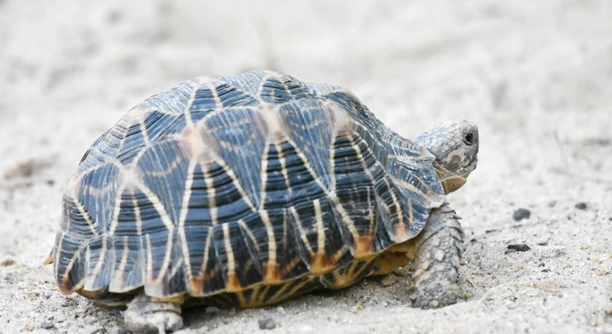
Creating the ideal habitat for your Indian star tortoise can be a rewarding experience. A proper environment ensures that your pet thrives and stays healthy, giving you both a peaceful and enjoyable bond.
To create the perfect Indian star tortoise habitat, begin by ensuring it has the correct temperature, humidity, and proper space. A spacious enclosure with safe substrates and access to UVB lighting is essential for your tortoise’s overall well-being.
Maintaining the right conditions will make a noticeable difference in your tortoise’s health. The following steps will guide you in setting up the ideal environment.
Step 1: Choose the Right Enclosure
When creating a habitat for your Indian star tortoise, choosing the right enclosure is essential. It should provide enough space for the tortoise to move around freely while feeling safe. A glass terrarium or a large plastic enclosure can work well. The size of the enclosure will depend on the number of tortoises you have, but a minimum of 40-50 gallons is recommended for one tortoise.
Having adequate space ensures the tortoise can exercise and explore, which is necessary for its physical and mental health. Make sure there is enough room for a basking area, hiding spots, and access to food and water.
The walls of the enclosure should be high enough to prevent the tortoise from escaping but low enough for easy access. Ensure the space is secure, as tortoises are known for their ability to push through weak spots. Proper ventilation is also important to keep the air fresh and avoid excess humidity.
Step 2: Control Temperature and Humidity
Creating the right temperature and humidity for your tortoise is crucial for its health. Indian star tortoises need a temperature range between 80°F and 95°F during the day and a cooler area at night. The basking spot should be slightly warmer to help with digestion and metabolic functions.
To control the temperature, use heat lamps, ceramic heaters, and a thermometer to monitor the environment closely. Make sure the cooler side of the enclosure remains below 80°F to give your tortoise a chance to cool down.
Humidity is another key factor, as Indian star tortoises thrive in moderate humidity levels, between 50% and 60%. Regular misting or a humidity gauge can help maintain this balance. Too much humidity can lead to health problems, so it’s important to monitor it carefully.
Step 3: Provide Proper Lighting
Indian star tortoises require both UVA and UVB lighting to stay healthy. UVB helps them process calcium, which is essential for bone health. Without proper lighting, they could develop metabolic bone disease.
A UVB light should be placed within 12 inches of your tortoise, and it should be turned on for 10-12 hours a day to mimic natural sunlight. Replacing the bulb every six months ensures it continues to emit the necessary UVB rays. The light should not be too bright, as it may cause stress.
Positioning the light above the basking area allows your tortoise to get the heat and UVB it needs. The light should be kept away from areas where the tortoise will hide, as too much exposure can be harmful. Ensure the light is on a timer to maintain a consistent day-night cycle.
Step 4: Choose the Right Substrate
The substrate is the material that lines the bottom of the enclosure. For Indian star tortoises, it’s important to choose one that’s both safe and suitable for burrowing. Safe options include coconut coir, organic topsoil, and shredded newspaper.
Avoid using sand or gravel, as they can be ingested by your tortoise and cause health problems. A deep layer of substrate will allow the tortoise to dig and burrow, mimicking its natural environment. Keeping the substrate clean by spot cleaning daily will help maintain a healthy habitat.
Moisture is also a consideration, as the substrate should be slightly damp to help maintain humidity. However, it should not be wet, as excess moisture could cause fungal infections. Consider mixing different substrates to create a comfortable environment for your tortoise.
Step 5: Create a Basking Area
A basking area is essential for your tortoise’s health. This is where it will warm up, aiding digestion and overall metabolic function. A heat lamp should be positioned above the basking spot.
The basking area should be about 95°F to provide the necessary warmth. Ensure it’s large enough for your tortoise to move around but also small enough for it to rest comfortably under the lamp.
Step 6: Provide Hiding Spots
Indian star tortoises are naturally shy and need hiding spots to feel secure. Place small shelters or pieces of driftwood in the enclosure for them to retreat into.
These hiding spots offer your tortoise a safe place to relax and escape from light or heat. It’s important to ensure the spots are easily accessible and large enough for your tortoise to move around inside.
Step 7: Water and Food
Access to clean water is essential for hydration and general health. A shallow water dish that’s easy for your tortoise to access is important. It should be changed daily to ensure cleanliness.
Offer a balanced diet of leafy greens, vegetables, and occasional fruits. Avoid feeding them too many high-oxalate foods, such as spinach, as it can cause health issues over time.
FAQ
What is the best temperature range for an Indian star tortoise habitat?
Indian star tortoises need a temperature range between 80°F and 95°F during the day. The basking area should be slightly warmer, around 95°F, while the cooler side of the enclosure should be below 80°F. The night temperature can drop to around 70°F, but avoid any drastic changes. A reliable thermometer will help you maintain the correct temperature.
How often should I replace the UVB light?
UVB bulbs should be replaced every six months, even if they still appear to be working. Over time, UVB output weakens, which can result in a lack of essential vitamins for your tortoise. Regularly replacing the light ensures your tortoise gets the correct exposure to UVB rays for optimal health.
Can I use sand as substrate?
It’s best to avoid sand in your Indian star tortoise habitat. While some tortoises enjoy digging, sand can lead to serious health issues if ingested. It can cause impaction, which is dangerous for the tortoise. Opt for coconut coir, organic topsoil, or other safe substrates that allow digging without posing health risks.
How can I maintain humidity in the habitat?
To maintain proper humidity for your tortoise, aim for 50-60%. You can achieve this by lightly misting the substrate with water and ensuring it stays slightly damp. Be careful not to make it too wet, as excessive moisture can cause fungal infections. Using a humidity gauge will help you monitor levels accurately.
What type of food should I provide for my tortoise?
Indian star tortoises are herbivores and thrive on a diet rich in leafy greens, grasses, and vegetables. Offer foods like dandelion greens, clover, and collard greens, and occasionally provide fruits like strawberries or apples. Avoid feeding them foods with high oxalate content, such as spinach, as it can affect calcium absorption.
How big should the enclosure be for my tortoise?
A single Indian star tortoise requires a minimum of 40-50 gallons of space. The more space you provide, the better, as tortoises need room to roam, exercise, and explore. A larger enclosure helps prevent stress and keeps the tortoise more comfortable. Make sure the enclosure is tall enough to prevent escapes and offers proper ventilation.
Can I keep more than one Indian star tortoise together?
Indian star tortoises can be kept together, but it’s important to monitor their interactions closely. They may become territorial, especially males. Ensure enough space in the enclosure to prevent conflicts. You may need to separate them if aggression occurs. Always observe their behavior and provide additional hiding spots if necessary.
How do I know if my tortoise is healthy?
A healthy Indian star tortoise should have clear, bright eyes, a smooth and firm shell, and an active, alert demeanor. Regularly check its weight and ensure it is eating and drinking properly. If your tortoise is lethargic, has a swollen or soft shell, or shows signs of respiratory issues, seek veterinary advice.
Do I need to provide a calcium supplement for my tortoise?
Yes, calcium is important for the health of your tortoise, especially for shell and bone development. You can provide a calcium supplement by dusting its food with a calcium powder. Additionally, ensure the tortoise has access to UVB light, which helps it process calcium effectively. Always follow recommended dosage instructions to avoid over-supplementing.
How can I prevent my tortoise from escaping the enclosure?
Ensure the walls of the enclosure are tall enough and secure. Indian star tortoises are good climbers and will attempt to escape if there is a way out. Check for weak spots, gaps, or unsecured lids and make any necessary adjustments. You can also weigh down the lid to prevent it from being easily moved.
Is it okay to keep my tortoise outside?
While Indian star tortoises can be kept outside in warm, secure environments, you must be cautious about predators and temperature fluctuations. Ensure the enclosure is well-secured and has proper shelter, shade, and access to clean water. If you live in a region with colder temperatures, it’s better to house your tortoise indoors during the colder months.
Final Thoughts
Creating a perfect habitat for your Indian star tortoise requires attention to detail, but with the right setup, you can ensure that your tortoise thrives. Providing a spacious enclosure with appropriate lighting, temperature, and humidity is crucial to their well-being. The right substrate, food, and water sources contribute to a stress-free environment where your tortoise can feel secure and comfortable. Understanding these basic needs is key to maintaining a healthy, happy tortoise.
It’s also important to consider the long-term care of your tortoise. These animals can live for several decades, so planning for their care over their entire lifespan is essential. Regular health checks, proper feeding, and monitoring environmental conditions will help prevent common health issues. Over time, you’ll become more familiar with your tortoise’s unique needs, allowing you to provide even better care. Patience and consistency are key when it comes to reptile care, and with time, you will see the benefits of a well-maintained habitat.
Remember that each tortoise is unique, and you may need to make adjustments as you learn more about your pet. While the guidelines provided here will help you get started, always stay attentive to your tortoise’s behavior and health. By ensuring that their habitat remains ideal, you can offer a stable, safe environment where your tortoise can grow and live a fulfilling life. A well-cared-for tortoise not only thrives in a healthy habitat but also becomes a cherished companion for many years to come.

Hello,
If you enjoy the content that we create, please consider saying a "Thank You!" by leaving a tip.
Every little bit helps us continue crafting quality advice that supports the health, happiness, and well-being of pets around the world, for pets of all shapes, sizes, and species.
We really appreciate the kindness and support that you show us!