
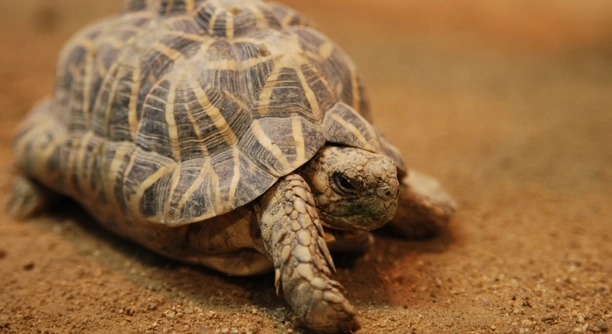
Your Indian star tortoise might often hide after eating, and this behavior can be puzzling. Understanding why can help ensure your tortoise is happy and healthy.
The most common reason your Indian star tortoise hides after eating is due to natural instincts. Tortoises may seek shelter for safety and rest, as it’s part of their behavior to retreat to a secure space after feeding.
This behavior is perfectly normal and part of your tortoise’s routine. It’s important to consider its environment and habits when addressing these actions.
The Natural Instincts of Tortoises
Indian star tortoises are naturally solitary creatures, and after eating, they might retreat to a hiding place for safety and rest. This is a normal instinct for many reptiles, as they tend to hide after consuming food. In the wild, their primary concern is avoiding predators, and their behavior is influenced by these instincts. Tortoises are not only protecting themselves from potential threats but also giving their body time to digest. It’s important to keep this in mind when observing their habits.
While this behavior may seem odd, it is actually beneficial for your tortoise’s well-being. They feel more secure when they have a quiet space to retreat to after meals. This also helps them relax and avoid stress, which can negatively affect their health.
Tortoises, being creatures of habit, may repeat this action regularly. After a meal, they instinctively know that it’s time to take a break and regain energy. Ensuring your tortoise has a peaceful, safe environment is key to supporting this natural process.
Environmental Factors
The environment where your tortoise resides plays a large role in their behavior. If the temperature is too hot or too cold, they may seek hiding spots more frequently.
Temperature, lighting, and the size of their enclosure can influence how often your tortoise hides. Proper setup allows them to feel comfortable and secure. If they don’t feel safe in their surroundings, they may become more anxious and hide longer.
Overeating and Digestion
Overeating can cause your tortoise to hide after meals. When a tortoise consumes more food than it can comfortably digest, it might feel the need to rest and hide. Digesting large amounts of food requires energy, and your tortoise may seek a quiet, safe place to relax and let the process unfold.
If your tortoise eats too much, it can also become sluggish or appear lethargic. This is because their digestive system needs more time to break down the food. In the wild, they’d likely retreat to a safe place to rest while they digest their meals. In captivity, providing a calm environment allows them to process food without stress. Make sure to offer smaller, more frequent meals to avoid overwhelming their system.
Monitoring portion sizes will help prevent overfeeding. By keeping meals in check, your tortoise will likely feel more comfortable and less inclined to hide post-meal.
Stress and Anxiety
Tortoises can hide after eating due to stress or anxiety. Factors like loud noises, unfamiliar surroundings, or even the presence of other animals can make them feel unsafe. These stressors can make them retreat to their shells or find a hiding spot after meals.
When tortoises feel stressed, it’s common for them to act defensively. They may pull into their shells or hide away to calm down. It’s essential to create a peaceful habitat with minimal distractions, especially after feeding. Over time, a calm, quiet environment will help reduce stress and minimize the need for hiding.
Consider how your tortoise reacts to its surroundings. If it frequently hides, it may be a sign of stress. Provide plenty of hiding spaces in their habitat to help them feel safe and secure.
Temperature Regulation
Temperature plays a significant role in your tortoise’s behavior after eating. If the environment is too warm or too cold, it may hide to regulate its body temperature. Tortoises need warmth to digest their food effectively, but if the temperature fluctuates too much, they may seek cooler or more stable places.
Providing a heat source and a cooler area in their enclosure allows your tortoise to regulate its body temperature and feel comfortable after meals. It’s essential to maintain a consistent temperature, around 80-85°F during the day, to help with digestion and overall health. Keeping these conditions stable encourages your tortoise to remain active and avoid hiding excessively.
Monitor your tortoise’s environment and adjust the temperature as needed. If they seem to be hiding too much, consider adjusting the heat source or creating more thermoregulated areas in their habitat.
Space and Enclosure Size
Your tortoise might hide more frequently if its enclosure is too small. In a cramped environment, it may feel the need to retreat to a corner or hide after eating. A spacious enclosure provides your tortoise with room to move and find a comfortable spot without feeling confined.
A larger enclosure allows your tortoise to roam, explore, and eat in peace without the stress of limited space. Additionally, having multiple hiding spots in the enclosure can help your tortoise feel safe and secure. This makes the tortoise more likely to engage with its environment and less likely to hide after meals. Make sure there is enough room for your tortoise to move around freely.
Healthy Behavior vs. Illness
Sometimes hiding after eating can be a sign of an underlying health issue. If your tortoise hides excessively or seems lethargic after meals, it might be worth checking for signs of illness. Issues like respiratory infections, parasites, or digestive problems can cause abnormal behavior, including hiding.
Monitor your tortoise for other symptoms, such as a lack of appetite, unusual behavior, or weight loss. If these signs accompany hiding, it’s important to consult a veterinarian who specializes in reptiles. Early detection of health problems can ensure your tortoise gets the proper treatment and can return to its usual habits.
FAQ
Why does my Indian star tortoise hide after eating?
Tortoises often hide after eating due to natural instincts. In the wild, they would retreat to a safe spot to avoid predators. After eating, their body is focused on digestion, so hiding provides them with a calm, secure place to rest. It’s a normal behavior and part of their routine.
Can stress cause my tortoise to hide more?
Yes, stress can lead to increased hiding. If there are loud noises, sudden changes, or other animals present, your tortoise might feel anxious and retreat to a hiding spot. Ensuring a calm environment helps reduce stress and minimizes hiding.
Is my tortoise overeating if it hides after meals?
Not necessarily. While overeating can cause lethargy and hiding, it’s more likely that your tortoise’s need for rest and privacy after eating is due to its natural instinct. However, always monitor portions to ensure it isn’t overfed, which could lead to health issues.
How can I know if my tortoise is sick when it hides?
Excessive hiding can sometimes indicate illness, especially if it is accompanied by lethargy, lack of appetite, or weight loss. Keep an eye out for these signs, and if they persist, it’s best to consult with a reptile veterinarian to rule out any health concerns.
Should I be concerned if my tortoise hides a lot after eating?
Not unless you notice additional symptoms like lack of appetite, weight loss, or unusual behavior. Hiding after meals is quite normal, but it’s important to ensure your tortoise has enough space, a proper diet, and a stress-free environment.
How can I reduce my tortoise’s stress?
To reduce stress, make sure your tortoise has a quiet, calm environment. Avoid loud noises and sudden movements around their enclosure. Providing plenty of hiding spots, appropriate temperature, and consistent care will also help your tortoise feel secure and relaxed.
Does the size of my tortoise’s enclosure affect its behavior?
Yes, a smaller enclosure can cause your tortoise to feel confined, leading it to hide more often. Make sure your tortoise has enough room to move around, with areas to hide and bask. A spacious enclosure with varied terrain promotes healthy behavior.
What temperature should I keep my tortoise’s enclosure?
Maintaining a temperature range of 80-85°F during the day is essential. This allows your tortoise to digest food properly and remain active. You can provide a basking spot with a slightly higher temperature, but ensure there’s also a cooler area for your tortoise to regulate its body temperature.
How often should I feed my Indian star tortoise?
Feeding frequency depends on age and size. Young tortoises need to eat daily, while adults can be fed every other day or two to three times a week. Always provide fresh food, such as leafy greens and vegetables, and avoid overfeeding to maintain their health.
Can I use a heat lamp for my tortoise?
Yes, a heat lamp can help maintain the proper temperature in your tortoise’s enclosure. It’s important to have both a heat source for basking and a cooler area so your tortoise can regulate its body temperature. Be sure to monitor the temperature to avoid overheating.
How can I tell if my tortoise is comfortable in its environment?
A comfortable tortoise will be active, eating regularly, and exploring its enclosure. If your tortoise hides after meals but comes out to bask and move around, it’s likely content with its environment. However, if it hides constantly or shows signs of illness, it’s worth investigating further.
What should I do if my tortoise refuses to eat?
If your tortoise refuses to eat for several days, check for signs of stress, illness, or improper temperature. Sometimes tortoises stop eating when their environment isn’t ideal. Make sure the enclosure is at the right temperature and humidity levels, and that your tortoise has access to fresh, suitable food.
Why is my tortoise hiding all the time?
If your tortoise is hiding all the time, it could be due to stress, an inadequate environment, or health issues. Make sure the enclosure is large enough, with proper temperature and humidity. If the hiding persists, a vet visit might be necessary to rule out health concerns.
How long can my tortoise go without eating?
Tortoises can survive for several weeks without food, depending on their size and health. However, it’s important to monitor their behavior and make sure they are getting enough nutrition. If your tortoise refuses to eat for more than a few days, it’s a good idea to consult a veterinarian.
Final Thoughts
Understanding your Indian star tortoise’s behavior after eating is key to ensuring its health and well-being. Hiding is a natural instinct, and it’s usually nothing to worry about. Your tortoise may simply be seeking comfort and security, as it would in the wild. A proper environment that includes temperature regulation, space, and quiet areas for rest helps create a habitat where your tortoise feels safe. Hiding can also be a sign that your tortoise is digesting, and this behavior is typical. It’s important to monitor your tortoise’s habits, but as long as it’s eating well and moving around occasionally, there’s no need for concern.
However, if you notice excessive hiding, lack of appetite, or other symptoms like weight loss or lethargy, it could indicate stress or a health issue. In these cases, it’s essential to check the conditions of the enclosure, such as temperature and humidity. Sometimes, changes in the environment or stress from loud noises or other pets can cause unusual behavior. Ensuring that your tortoise has a stress-free space to retreat to will make a big difference. If problems persist despite adjustments, it’s a good idea to consult a veterinarian. Addressing health issues early can help prevent further complications and improve your tortoise’s quality of life.
Overall, providing your tortoise with a comfortable, stress-free environment is the best way to support its well-being. By keeping a balanced routine, monitoring its behavior, and ensuring the right habitat conditions, you can help your tortoise live a healthy and happy life. Even though it may spend time hiding after meals, this is often a sign of a well-adjusted tortoise that feels safe in its surroundings. Continue to care for your tortoise by keeping its environment stable, and it should continue to thrive.

Hello,
If you enjoy the content that we create, please consider saying a "Thank You!" by leaving a tip.
Every little bit helps us continue crafting quality advice that supports the health, happiness, and well-being of pets around the world, for pets of all shapes, sizes, and species.
We really appreciate the kindness and support that you show us!