
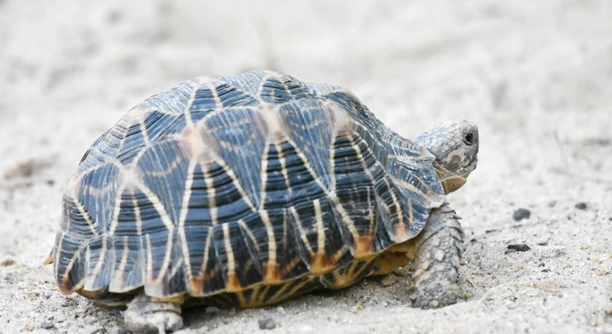
Indian star tortoises are fascinating creatures that require care and attention. For those who are passionate about their tortoises, finding fun DIY projects can enhance their habitat and their experience as a pet owner.
DIY projects for Indian star tortoises can improve their living spaces, offering enrichment and comfort. From creating custom enclosures to crafting engaging activities, these projects provide benefits for both you and your tortoise.
Small changes can make a big difference for your tortoise. Continue reading to explore a variety of creative and simple ideas that will enhance your pet’s environment and wellbeing.
Create a Spacious, Custom Enclosure
Setting up a spacious, custom enclosure for your Indian star tortoise is essential for their comfort and overall well-being. Start by designing an enclosure that mimics their natural environment. Choose a large tank or outdoor space that allows them to move freely. Use soft bedding such as coconut coir or organic soil for substrate, as these materials provide a comfortable environment and are easy to clean. Include rocks or logs to offer climbing opportunities and hideaways. It’s crucial to provide access to fresh water and ensure a steady temperature range that suits your tortoise’s needs.
A proper enclosure setup reduces stress and allows your tortoise to thrive. It can also be a visually pleasing addition to your home or garden.
Lighting and heating are also crucial elements to incorporate. Your tortoise needs UVB light to simulate natural sunlight, helping them absorb calcium and maintain healthy bones. Providing the right heat source will prevent them from becoming too cold, which can lead to health issues.
Enrich the Habitat with DIY Hiding Spots
Indian star tortoises enjoy having hiding spots to feel secure. Crafting simple DIY hideaways using natural materials is an easy way to give them a safe space to retreat to.
These spots should be placed in areas where your tortoise can feel undisturbed, offering them privacy and comfort. You can use large rocks or hollowed logs to create these spaces, allowing your tortoise to hide and rest in peace.
DIY Food Dispensers
Making your own food dispensers is an easy way to encourage foraging behavior in your tortoise. This keeps them active and engaged while offering a more natural way to eat.
You can use simple materials like a small cardboard box or a plastic bottle to create a food dispenser. Fill the container with your tortoise’s favorite greens or veggies. Then, cut small holes to let the food fall out slowly as your tortoise pushes and nudges the container around. This activity mimics how they would search for food in the wild.
Not only does this provide entertainment, but it also adds enrichment to your tortoise’s environment. The challenge of finding food keeps their mind sharp and helps them stay active. Keep the dispensers clean and refill them regularly to maintain their appeal and effectiveness.
Create a Dust Bath Area
Dust baths are an essential part of a tortoise’s routine, allowing them to maintain healthy skin and shell. Setting up a designated dust bath area in their enclosure is simple and beneficial.
Use a shallow dish or tray and fill it with a mix of sand and dust. Your tortoise will enjoy rolling and digging in the dust, which helps keep their skin free from parasites and excess moisture. Make sure to place the dust bath in a dry area, as moisture can cause issues for your tortoise.
Adding a dust bath to your DIY setup provides a natural and enjoyable activity that your tortoise will appreciate. Clean the area regularly to prevent any buildup of waste and maintain a healthy environment.
Build a Climbing Structure
A climbing structure adds physical exercise and stimulation to your tortoise’s habitat. Use sturdy materials like branches, logs, or rocks to create a safe, low-height structure.
Your tortoise will enjoy exploring and climbing, which helps strengthen their muscles and keeps them active. Just make sure the structure is stable and easy to navigate.
DIY Watering System
Setting up a simple watering system ensures your tortoise always has access to fresh water. A small, elevated dish can prevent spills and contamination.
Place the water dish in an area that’s easy for your tortoise to reach but won’t tip over. Clean it regularly to keep it fresh and free from debris.
Craft a Decorative Habitat
Adding decorative elements like plants, small rocks, or natural materials can make your tortoise’s home more visually appealing. It also creates a more enriching environment for them to explore.
FAQ
How big should the enclosure be for an Indian star tortoise?
The enclosure should provide enough space for your tortoise to move around freely. A minimum of 4 feet by 2 feet is recommended for a single adult tortoise. Larger spaces are ideal, especially if you plan to house more than one tortoise. Make sure the enclosure also has areas for hiding and climbing. The goal is to replicate their natural environment as closely as possible to promote their physical and mental well-being.
Can I use regular soil in my tortoise’s enclosure?
Regular soil can be used, but it’s important to avoid soil that contains chemicals or pesticides. Opt for organic, untreated soil. A mixture of soil, sand, and coconut coir is often recommended for proper drainage and comfort. This combination mimics their natural habitat and helps maintain humidity levels, which are crucial for their health.
What temperature should the enclosure be kept at?
Indian star tortoises thrive in a warm environment, with daytime temperatures between 80-90°F (27-32°C). A basking area should be warmer, around 95°F (35°C), while the cooler side of the enclosure can be around 75°F (24°C). Using a heat lamp and a thermostat to regulate temperatures is important. At night, temperatures can drop slightly but should never fall below 70°F (21°C). Proper heating helps your tortoise digest food and stay active.
Do I need to provide UVB light for my tortoise?
Yes, UVB light is essential for Indian star tortoises to produce Vitamin D3, which helps them absorb calcium and maintain healthy bones. Use a UVB light that covers the entire enclosure and replace the bulb every 6-12 months, as the UVB output decreases over time. Ensure your tortoise has access to both UVB light and a warm basking area to stay healthy.
What should I feed my Indian star tortoise?
Indian star tortoises are herbivores, and their diet should consist primarily of leafy greens, grasses, and vegetables. Some good options include dandelion greens, kale, collard greens, and hibiscus flowers. You can also offer fruits like watermelon, apple, and berries, but they should be given in moderation. Avoid feeding them high-oxalate foods like spinach, as they can interfere with calcium absorption. A varied diet ensures your tortoise gets all the nutrients they need.
How often should I feed my tortoise?
Young tortoises should be fed daily, while adults can be fed every other day. Offering fresh food every time is important, and leftovers should be removed from the enclosure to keep things clean. It’s also essential to provide fresh water daily to keep your tortoise hydrated. The frequency of feeding may also depend on your tortoise’s activity level, so monitor their behavior and adjust their food intake as needed.
Can I house multiple tortoises together?
It’s possible to house multiple tortoises together, but you need to make sure they are compatible. Males, in particular, can become territorial, so housing more than one male in the same space can lead to aggression. It’s also crucial to have enough space for each tortoise to have its own area for basking, hiding, and feeding. Always monitor their behavior to ensure they are getting along and there is no excessive fighting.
How do I maintain the humidity in my tortoise’s enclosure?
Indian star tortoises come from dry climates, but they still require some humidity to stay healthy. To maintain proper humidity, you can lightly mist the substrate once a day or add a shallow water dish to the enclosure. A humidity level between 40-60% is ideal. Too much moisture can lead to respiratory issues, so it’s important to find a balance. Make sure to check the humidity regularly with a hygrometer.
What should I do if my tortoise is not eating?
If your tortoise stops eating, it could be a sign of stress, illness, or improper environmental conditions. First, check the temperature and humidity levels in the enclosure to ensure they are within the appropriate range. If everything is correct and the tortoise still refuses to eat, consider a vet visit to rule out any underlying health issues. In some cases, tortoises may go through periods of fasting, especially during colder months.
How can I tell if my tortoise is healthy?
A healthy tortoise is active, alert, and has a smooth, firm shell. Check for clear, bright eyes and a clean, dry nose. The shell should not have soft spots or signs of injury. If the tortoise is eating, drinking, and moving around regularly, it is usually a good sign that they are healthy. If you notice changes in their behavior or appearance, it’s best to consult a veterinarian to ensure everything is alright.
Final Thoughts
Creating a comfortable and stimulating environment for your Indian star tortoise can significantly improve its quality of life. From building climbing structures to providing UVB lighting, each step helps mimic their natural habitat, encouraging healthy behavior. A well-maintained enclosure not only keeps your tortoise physically active but also mentally engaged, preventing stress and health issues. With the right setup, your tortoise will thrive, enjoying a variety of enriching experiences that support its natural instincts and growth.
Proper care, including feeding them a balanced diet and maintaining appropriate temperature and humidity levels, ensures that your tortoise stays healthy. Regularly check the habitat’s conditions to avoid common problems, such as humidity imbalances or temperature fluctuations. Your tortoise’s well-being depends on how closely you replicate the environment it would naturally seek. Additionally, understanding their specific needs, such as adequate space and access to clean water, is key to preventing unnecessary stress.
While tortoises are relatively low-maintenance pets, their needs require attention and planning. DIY projects, like creating a safe climbing space or adding decorative elements, offer an easy and affordable way to enhance their living space. Remember that patience and consistency are important for their long-term health. By staying informed and proactive, you’ll be able to offer your Indian star tortoise a fulfilling and comfortable life in your care.

Hello,
If you enjoy the content that we create, please consider saying a "Thank You!" by leaving a tip.
Every little bit helps us continue crafting quality advice that supports the health, happiness, and well-being of pets around the world, for pets of all shapes, sizes, and species.
We really appreciate the kindness and support that you show us!