
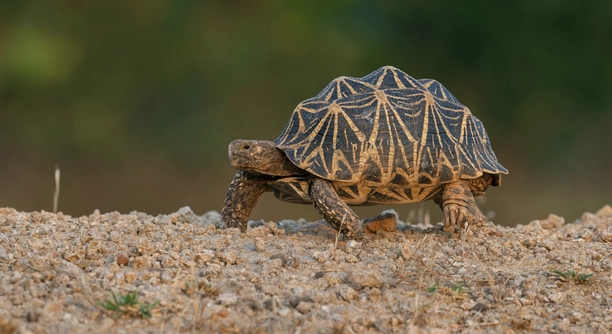
Tortoises, like the Indian Star Tortoise, need a well-planned feeding schedule to stay healthy. Knowing how to properly feed them ensures their happiness and long-term well-being.
Creating a feeding schedule for Indian Star Tortoises involves providing a balanced diet with high-fiber, low-protein foods. It’s essential to offer fresh greens, vegetables, and occasional fruit, adjusting portions based on their age and activity level.
A consistent feeding routine contributes to your tortoise’s overall health and digestive system. We’ll cover simple tips to ensure you’re meeting their dietary needs in the best possible way.
Creating a Balanced Diet for Your Indian Star Tortoise
Indian Star Tortoises require a diet that mimics their natural food sources. They are herbivores and thrive on a variety of plant-based foods. Offering leafy greens like dandelion, kale, and collard greens is essential for their nutrition. These greens are high in fiber and calcium, both of which are crucial for your tortoise’s health. It’s also important to provide occasional vegetables like squash, bell peppers, and carrots. A small amount of fruit, like papaya or melon, can be offered but should not be a regular part of their diet due to its high sugar content.
While greens should make up most of their diet, avoid feeding them high-protein foods like meat or dog food, as this can lead to kidney problems and other health issues. Fresh water should be provided daily, as dehydration can be harmful. The goal is to keep their diet varied but mostly based on leafy vegetables and some fruits.
A consistent feeding schedule helps your tortoise stay in good health, reducing stress and ensuring they receive adequate nutrients. By following these guidelines, you’ll be supporting their long-term well-being.
Feeding Schedule: How Often Should You Feed Your Indian Star Tortoise?
Your tortoise should be fed every other day, with an occasional rest day for digestion. Overfeeding can lead to obesity and other health problems.
Tortoises eat slowly and do not need to be fed every day. The best practice is to offer food every two to three days, ensuring the portions are appropriate for their age and size. Young tortoises need more food to grow, while adults require less. Monitor your tortoise’s weight and adjust accordingly. Too much food can lead to an unhealthy tortoise, while too little can stunt growth and make them weak.
It’s also important to note that Indian Star Tortoises are mostly active during daylight, so feeding them in the morning or early afternoon is ideal. This timing helps them digest properly and avoids leaving food overnight. Be consistent with your feeding times to prevent any unnecessary stress.
Portion Sizes for Your Indian Star Tortoise
For adult Indian Star Tortoises, a portion should be about the size of their shell’s width. Young tortoises need slightly more, but still, it’s best to keep portions manageable. Overfeeding can lead to obesity and shell deformities.
When determining portions, consider the age and activity level of your tortoise. If your tortoise is more active, you can offer larger portions, but always remember that a smaller amount of food will keep them healthier in the long run. Monitor your tortoise’s weight and adjust portions as necessary. Avoid leaving food for too long, as this can attract pests or cause spoilage. Fresh, clean food should always be provided in small amounts to ensure they eat it fresh.
In the wild, tortoises graze throughout the day, so offering a variety of plants and vegetables in smaller portions more often is a more natural way to feed them. However, with a set feeding schedule, you can ensure they get the right amount of food without overfeeding. Consistency in portion sizes is key to maintaining their health and proper weight.
Supplements and Additional Care
It’s important to provide calcium and vitamin D3 supplements regularly. These nutrients are essential for shell health and overall well-being.
Calcium helps with the development of your tortoise’s shell and bones, while vitamin D3 helps in calcium absorption. Without these, your tortoise may develop metabolic bone disease, leading to weak bones and deformed shells. You can dust their food with a calcium supplement or provide cuttlebone, which they can chew on for added calcium. It’s important to avoid excessive amounts of supplements, as too much calcium can lead to kidney problems. Stick to a balanced routine and consult with a veterinarian for the right supplementation schedule.
In addition to calcium and vitamin D3, ensure your tortoise gets enough UVB light. Natural sunlight is ideal, but if that’s not possible, a UVB light can be used to help them process nutrients effectively. A combination of supplements and proper lighting will ensure your tortoise thrives. Keep in mind, each tortoise has different needs, so adjusting based on observation and expert advice will always give the best results.
Avoiding Common Feeding Mistakes
Feeding your tortoise the wrong foods can lead to health problems. Avoid giving them too much fruit, high-protein foods, or sugary items like grapes or bananas. Stick to leafy greens, vegetables, and occasional fruit in moderation.
Overfeeding is another issue. Always monitor your tortoise’s weight and adjust portions as needed. Overfeeding can cause obesity and strain on their organs, making them more susceptible to health issues like shell deformities and slow growth. It’s important to find a balance and make sure your tortoise gets a variety of foods without overdoing it.
Fresh Water and Hydration
Providing fresh water daily is crucial for hydration and digestive health. Tortoises may not always drink regularly, so misting their food or offering water in a shallow dish helps encourage them to drink.
Dehydration can lead to serious health issues such as kidney failure, digestive problems, and loss of appetite. Make sure the water is shallow enough for your tortoise to drink without risk of drowning. Change the water regularly to keep it clean and free from contaminants. Offering water alongside their food also helps with digestion and keeps them hydrated throughout the day.
Adjusting for Seasonal Changes
During colder months, tortoises may reduce their activity levels and eat less. In such times, it’s essential to adjust the feeding schedule and portion sizes to match their lower energy needs.
Monitor your tortoise’s behavior during colder seasons. You might need to reduce the amount of food offered since they won’t be as active. Ensure that your tortoise has access to warmth, as proper heating encourages appetite and digestion. Be mindful of any signs of hibernation and consult a vet if necessary.
FAQ
How often should I feed my Indian Star Tortoise?
Feed your tortoise every other day, with a rest day occasionally for digestion. Overfeeding can lead to obesity and other health issues. Young tortoises may need more food compared to adults, but always ensure portions are appropriate. Monitor your tortoise’s weight and adjust portions based on their size and activity level. Avoid feeding daily, as tortoises naturally graze slowly, and too much food at once can lead to health complications.
Can I feed my tortoise fruits every day?
Fruits should be fed in moderation and not every day. While they are a tasty treat, fruits are high in sugar and can upset your tortoise’s digestive system if given too often. Offering fruit once or twice a week is sufficient. Stick to low-sugar options like melons or papaya. Always make sure to remove any uneaten fruit to prevent it from spoiling.
Is it okay to feed my tortoise vegetables from my garden?
It’s okay to feed your tortoise vegetables from your garden as long as you avoid pesticides or chemicals. Use organic practices when possible and ensure that the plants are safe for tortoises. Vegetables like squash, bell peppers, and leafy greens like kale are good choices. Always wash the vegetables thoroughly before offering them to your tortoise.
What type of calcium supplement should I use?
You can use a calcium powder supplement that is specifically formulated for reptiles. Make sure the supplement also contains vitamin D3, which is necessary for calcium absorption. Dust their food lightly with the supplement about two to three times a week. Avoid over-supplementing, as too much calcium can be harmful to your tortoise.
Should I feed my tortoise grass?
Yes, grass can be part of a healthy diet for your Indian Star Tortoise. Wild tortoises eat a variety of grasses in their natural environment, and it provides them with fiber and essential nutrients. Ensure the grass is pesticide-free and clean before offering it. Common types of grass, like Bermuda or timothy hay, are good choices.
Can I feed my tortoise lettuce?
You can feed your tortoise lettuce, but avoid iceberg lettuce as it has low nutritional value and high water content, which can cause diarrhea. Instead, opt for darker, more nutritious varieties like romaine or butterhead lettuce. Lettuce should only be an occasional part of the diet and balanced with other leafy greens and vegetables.
How do I know if my tortoise is overweight?
You can check if your tortoise is overweight by observing its shell and body. An overweight tortoise will have a round, puffed-up shell, and the limbs might appear short and stubby. The tail may also look swollen. Regularly weigh your tortoise to track any weight changes. If you notice rapid weight gain, reduce the food portions and consult a vet if needed.
Can my tortoise eat flowers?
Many edible flowers are safe for your tortoise, but only specific types. Flowers such as hibiscus, dandelions, and clover are great choices. Avoid feeding flowers that may have been treated with pesticides or chemicals. Always research the flowers before feeding them and avoid anything that could be toxic.
How do I encourage my tortoise to drink more water?
Tortoises don’t always drink water on their own, so you can encourage hydration by misting their food or offering water in a shallow dish. Place the water near their food so they’re reminded to drink while eating. Some tortoises also enjoy soaking in shallow water, which helps with hydration. Keep the water clean and fresh, and change it regularly.
Should I feed my tortoise commercially prepared food?
While it’s okay to offer commercially prepared food occasionally, it should never replace fresh greens and vegetables. Pre-packaged foods can lack the variety and nutrients your tortoise needs. They may also contain preservatives or additives that are not ideal for their health. Stick to fresh, organic food as the primary part of their diet.
Can my tortoise eat weeds?
Certain weeds are safe for your tortoise, and they can be a great source of nutrition. Dandelion, clover, and plantain are excellent options. However, avoid weeds that have been treated with chemicals or grow in areas where pesticides are commonly used. Always make sure the weeds are safe and non-toxic before offering them to your tortoise.
What temperature is best for feeding my tortoise?
Tortoises are cold-blooded, so they need warmth to properly digest their food. Ideally, the temperature of the environment where you feed them should be between 75°F to 85°F (24°C to 29°C). If you are feeding them indoors, ensure that they are placed under a heat lamp or UVB light to simulate natural sunlight, which helps with digestion.
Can I feed my tortoise cooked food?
Cooked food should be avoided, as it lacks the essential nutrients that raw vegetables and greens provide. Cooked vegetables can lose much of their nutritional value, and they may not be easy for your tortoise to digest. Stick to fresh, raw vegetables and greens to maintain a healthy diet.
How long can my tortoise go without food?
Indian Star Tortoises can go without food for up to a week, especially if they’re older or during periods of inactivity like hibernation. However, it’s important to monitor them closely during this time. If your tortoise refuses food for longer periods, it’s best to consult a vet to rule out any health concerns.
Feeding your Indian Star Tortoise the right diet is essential for its overall health and well-being. A balanced diet of leafy greens, vegetables, and occasional fruits will provide the necessary nutrients for growth, shell health, and energy. It’s important to understand that their diet should mainly consist of high-fiber and low-protein foods to keep them healthy. By carefully managing the types of food you give them and adjusting their portions based on age and activity level, you can prevent common health problems like obesity and shell deformities.
Consistency in feeding times and portions also plays a significant role in your tortoise’s health. Feeding every other day, with occasional rest days, helps mimic their natural grazing behavior while avoiding overfeeding. Always offer fresh food and water, and try to avoid leaving uneaten food in their enclosure for long periods to prevent spoilage and contamination. Additionally, making sure your tortoise has access to UVB light and calcium supplements is crucial for its digestion and shell development.
Lastly, it’s important to monitor your tortoise’s behavior and weight regularly. If they are eating less, drinking more, or showing signs of illness, it’s a good idea to adjust their diet or consult with a veterinarian. Every tortoise is unique, so what works for one may not work for another. Being attentive to their individual needs will ensure that they live a long, healthy life. By following these simple feeding tips and adjusting as needed, you can help your Indian Star Tortoise thrive.

Hello,
If you enjoy the content that we create, please consider saying a "Thank You!" by leaving a tip.
Every little bit helps us continue crafting quality advice that supports the health, happiness, and well-being of pets around the world, for pets of all shapes, sizes, and species.
We really appreciate the kindness and support that you show us!