
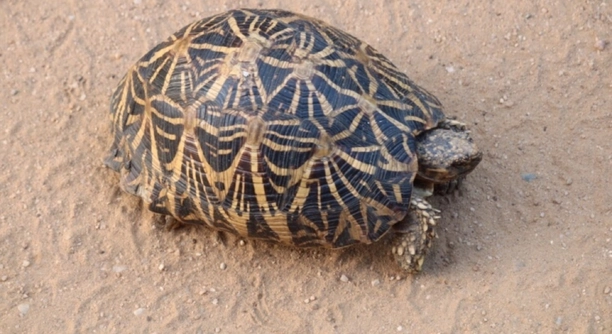
Indian Star Tortoises are known for their unique and beautiful appearance. However, weight loss in these creatures can raise concerns. It’s important to understand the possible reasons behind this issue to keep them healthy.
Weight loss in Indian Star Tortoises can result from various factors, including improper diet, stress, illness, or environmental changes. Recognizing the root cause is crucial for providing the right care and ensuring your tortoise’s health is maintained.
By understanding these common causes, you can take the right steps to improve your tortoise’s well-being and prevent further health issues. It’s essential to monitor their diet and environment closely.
1. Inadequate Diet
One of the most common reasons for weight loss in Indian Star Tortoises is a poor or unbalanced diet. These tortoises are herbivores and require a varied diet rich in leafy greens, vegetables, and occasional fruits. A lack of essential nutrients like calcium, fiber, and vitamins can lead to malnutrition and weight loss. Additionally, feeding them inappropriate food items, such as high-protein or high-fat foods, can cause digestive issues. It’s important to understand the nutritional needs of Indian Star Tortoises and offer them the right food to maintain a healthy weight.
Providing fresh vegetables like dandelion greens, collard greens, and cactus pads is essential for their diet. Foods rich in fiber help keep their digestive system in check.
Avoid offering them processed foods or those high in oxalates, such as spinach, as it can lead to kidney problems. Regularly vary their diet to keep them interested and well-nourished, and consider supplementing with calcium or vitamin D3 if necessary.
2. Stress or Environmental Factors
Stress can be another major cause of weight loss in Indian Star Tortoises. Factors like sudden changes in their habitat, temperature fluctuations, or being housed with other more aggressive animals can lead to stress. Stress weakens their immune system and affects their appetite, which can lead to weight loss over time.
The enclosure should mimic their natural environment to reduce stress. They need space to roam and burrow, as well as access to basking spots with adequate UVB light. Proper humidity levels are also crucial for their overall well-being.
Stress can also arise from frequent handling. While it’s okay to interact with them occasionally, avoid unnecessary handling that could cause anxiety. A calm, consistent environment will encourage better eating habits and more weight stability. Ensure their habitat is quiet, spacious, and free from disturbances that could cause stress.
3. Illness or Infection
Illness or infection can lead to sudden weight loss in Indian Star Tortoises. Bacterial, viral, or parasitic infections can cause appetite loss, dehydration, and lethargy. Regularly check for signs like runny nose, swollen eyes, or abnormal stool to detect illness early.
If a tortoise is unwell, their immune system will be compromised, and they may stop eating altogether. Infections may also cause digestive issues, preventing the proper absorption of nutrients, further leading to weight loss. Promptly consult a veterinarian if you notice any signs of illness.
Infections like respiratory issues or parasites in the digestive tract can be treated with medications prescribed by a vet. Avoid self-diagnosis or trying over-the-counter treatments without expert advice. Early intervention is key to preventing long-term damage or further weight loss. A healthy tortoise will maintain a steady appetite and body weight. Routine check-ups with a veterinarian can help catch health issues early.
4. Improper Habitat Conditions
Improper habitat conditions can directly impact the health of Indian Star Tortoises, leading to weight loss. Temperature and humidity need to be closely monitored to ensure they remain within the ideal range for these tortoises. Poor environmental conditions can cause them to stop eating and lose weight.
Make sure there are both cool and warm areas in the enclosure, as tortoises need a temperature gradient. The basking area should be around 90°F, and the cool zone should range from 75°F to 80°F. Humidity levels should be maintained at 50-60% to promote proper hydration and digestion. Without proper care, tortoises may become stressed and lose their appetite.
In addition, proper UVB lighting is crucial. Tortoises need UVB light to synthesize vitamin D3, which helps with calcium absorption. Without adequate UVB exposure, tortoises may develop shell deformities and suffer from other health issues. Adjusting the habitat to ensure proper conditions will keep them healthy and help maintain their weight.
5. Dehydration
Dehydration is a common issue that causes weight loss in Indian Star Tortoises. When they don’t drink enough water, their bodies become sluggish, and they may stop eating. Regular access to fresh water and proper hydration is vital for maintaining their weight.
Make sure to provide a shallow water dish in the enclosure at all times. Offering water baths can help them stay hydrated, especially during dry or hot weather. If your tortoise is dehydrated, they may become lethargic and experience digestive problems, making them more prone to weight loss.
6. Age and Growth
As Indian Star Tortoises age, their metabolism slows down, and they may naturally lose weight. This is common in older tortoises, but significant weight loss could also indicate other health problems. Keep an eye on their overall behavior.
Young tortoises, in particular, may experience a growth spurt, which requires more food to maintain their health. Older tortoises may need to be fed a more controlled diet to prevent obesity and other health issues. Regularly monitor their weight and adjust their food intake accordingly, especially during different life stages.
7. Overbreeding
Overbreeding in female Indian Star Tortoises can lead to weight loss due to the physical strain of producing eggs. The energy required to produce eggs can result in malnutrition, as their bodies use up reserves, leading to weight loss.
After laying eggs, female tortoises need extra care and proper nutrition to regain their strength. Providing adequate calcium and ensuring they are not overbred will help maintain their health and weight. If you notice that your female tortoise is losing weight after laying eggs, offer more food high in nutrients and monitor her recovery.
FAQ
What should I do if my Indian Star Tortoise is losing weight?
If your Indian Star Tortoise is losing weight, it’s important to first examine their diet, habitat, and overall health. Ensure they are eating a variety of fresh, nutritious foods, such as leafy greens and vegetables. Check the temperature and humidity in their enclosure, as these conditions are vital for their well-being. If their environment and diet seem appropriate, and they are still losing weight, it’s time to consult a veterinarian. Health issues like infections or parasites could be at play and require professional treatment.
How can I prevent my tortoise from losing weight?
Preventing weight loss starts with providing a balanced diet that meets all their nutritional needs. Feed them a variety of fresh greens, vegetables, and occasional fruits, avoiding high-protein or fatty foods. Make sure their habitat is suitable, with the correct temperature gradient and humidity levels. Regular access to fresh water is crucial for hydration. Also, avoid stressing your tortoise by keeping their environment calm and ensuring they’re not handled too much.
How do I know if my tortoise has an infection?
If your tortoise has an infection, look for signs such as lethargy, nasal discharge, swollen eyes, or abnormal stool. Infections can also affect their appetite and cause weight loss. If you notice any of these symptoms, consult a vet as soon as possible. Infections can progress quickly and may require medication. Keeping an eye on your tortoise’s overall behavior is key to spotting health issues early.
Can stress cause my tortoise to lose weight?
Yes, stress is a significant factor in weight loss in Indian Star Tortoises. Stress can result from factors like a change in environment, inadequate habitat conditions, or excessive handling. Stress weakens their immune system and reduces appetite, leading to weight loss. To minimize stress, ensure your tortoise’s enclosure is peaceful, spacious, and comfortable. Avoid unnecessary disturbances, and provide them with plenty of hiding spots to retreat to when they need rest.
What temperature and humidity should I keep my tortoise’s enclosure?
For Indian Star Tortoises, the enclosure should have a temperature gradient, with a basking area around 90°F and a cooler area around 75°F to 80°F. Humidity should be kept between 50% and 60%. Too high or too low temperatures can cause stress and prevent them from eating properly. Regularly check the temperature and humidity to ensure they remain within the optimal range. Use a thermometer and hygrometer to monitor these factors accurately.
Is dehydration common in Indian Star Tortoises?
Yes, dehydration can be a common issue, especially if the tortoise is not drinking enough water or if the environment is too dry. Dehydration can cause lethargy, loss of appetite, and eventually weight loss. To prevent dehydration, always provide fresh water in a shallow dish. Offering water baths can help them hydrate, especially during hot or dry weather. Make sure the humidity levels in their enclosure are appropriate to help them stay hydrated.
How can I encourage my tortoise to eat more?
If your tortoise is losing weight due to a lack of appetite, try offering a variety of foods. Sometimes, they may get bored with their usual diet, so switch up the greens and vegetables regularly. Adding herbs like dandelion or clover can make the food more appealing. You can also try hand-feeding to stimulate their interest. If the loss of appetite persists, consult a veterinarian to rule out any health issues.
How do I know if my tortoise is dehydrated?
Signs of dehydration in tortoises include sunken eyes, lethargy, and dry skin. They may also show reduced activity levels and stop eating. Dehydrated tortoises may have difficulty moving around or appear unusually weak. To prevent dehydration, offer them regular water baths and ensure they always have access to clean water in their enclosure. If you notice any signs of dehydration, take action immediately to rehydrate them.
Can my tortoise lose weight if it’s too hot or too cold in the enclosure?
Yes, improper temperatures can affect your tortoise’s eating habits and overall health. If it’s too hot or too cold, your tortoise may become stressed or unable to digest food properly. A temperature range that is too extreme can lead to a lack of appetite and cause weight loss. Maintaining a proper temperature gradient and providing adequate basking spots will help your tortoise stay healthy and prevent weight loss.
Can overbreeding cause weight loss in female tortoises?
Yes, overbreeding can cause female Indian Star Tortoises to lose weight. Producing eggs requires a significant amount of energy, and if a female tortoise is bred too frequently, she may become physically drained and underweight. After laying eggs, female tortoises need extra care, nutrition, and time to regain their strength. Make sure not to overbreed your tortoise, and monitor her closely during and after the breeding process to ensure she stays healthy.
Final Thoughts
Weight loss in Indian Star Tortoises can be a sign of several underlying issues, ranging from poor diet to health problems like infections. It’s essential to observe your tortoise carefully and take note of any changes in behavior, appetite, or appearance. Addressing these concerns quickly can help prevent further complications. A well-balanced diet, a properly maintained habitat, and regular veterinary check-ups are the foundation of good health for these creatures. When all these factors are in place, your tortoise will be more likely to thrive and avoid unnecessary weight loss.
If you notice any unusual signs like a decrease in appetite, lethargy, or changes in their shell or eyes, it’s important to act quickly. Consulting a vet is always a good step if you’re unsure of the cause or how to address the issue. Sometimes, weight loss can be due to infections or parasites, which require medical treatment. In other cases, it may be linked to environmental factors or stress. Understanding what your tortoise needs and creating the ideal living conditions will greatly reduce the chances of weight loss.
Taking the time to learn about the specific needs of your Indian Star Tortoise can make all the difference in their long-term health. While it may take some trial and error to get everything just right, your tortoise’s well-being will be worth the effort. Regularly monitor their diet, behavior, and living environment. Preventative care goes a long way in ensuring your tortoise stays healthy and free from issues like weight loss. Keeping a close eye on all these factors will help you enjoy a happy, healthy tortoise for years to come.

Hello,
If you enjoy the content that we create, please consider saying a "Thank You!" by leaving a tip.
Every little bit helps us continue crafting quality advice that supports the health, happiness, and well-being of pets around the world, for pets of all shapes, sizes, and species.
We really appreciate the kindness and support that you show us!