
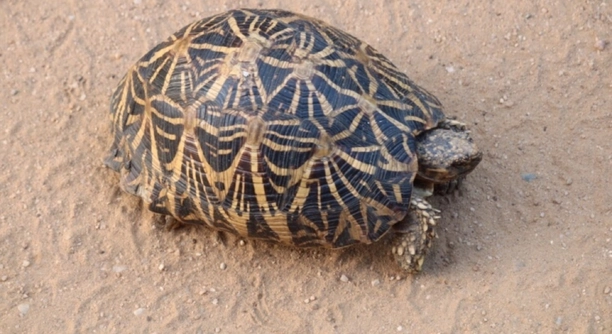
Keeping your Indian Star Tortoise tank smelling fresh is essential for their health and your home’s comfort. A clean and pleasant environment can make all the difference in ensuring both you and your tortoise enjoy it.
To keep your Indian Star Tortoise tank smelling fresh, regular cleaning and proper ventilation are key. Removing waste promptly, changing bedding often, and ensuring air circulation help prevent odors from building up and maintain a healthy habitat.
There are simple, effective steps you can take to manage odors and keep your tortoise happy. From cleaning routines to natural deodorizing solutions, maintaining a fresh tank environment is easier than you might think.
Regular Cleaning Is Essential
Keeping your Indian Star Tortoise tank fresh starts with a consistent cleaning routine. Tortoises are messy eaters, and waste can quickly accumulate in their habitat. It’s important to remove any uneaten food, droppings, and soiled bedding daily. This will prevent bacteria growth and reduce the chances of unpleasant odors.
Regular cleaning also involves changing the substrate or bedding every couple of weeks. Bedding like coconut husk, hay, or reptile-safe sand can absorb moisture, which helps to keep the tank dry and odor-free. You might also want to wipe down the tank’s surfaces with a mild, non-toxic cleaner to eliminate any germs or buildup.
By sticking to a set cleaning schedule, you’ll notice a big difference in how your tank smells. Clean environments not only prevent odors but also help ensure your tortoise stays healthy and comfortable. Keeping things fresh is simple when you stay on top of the cleaning process.
Proper Ventilation Is Key
Ventilation plays a huge role in keeping your tortoise tank smelling fresh. Without enough airflow, moisture can build up and lead to mold or mildew.
A well-ventilated tank allows fresh air to circulate, preventing moisture from lingering and ensuring that odors don’t get trapped inside. Make sure your tortoise’s tank has proper ventilation holes or a mesh top to encourage airflow. If you’re using a lid, choose one with breathable openings, especially if you’re housing your tortoise in a humid area. A well-ventilated tank also prevents excessive humidity, which can contribute to bacterial growth and foul smells.
Always check for any signs of poor air circulation. If you notice the tank feels stuffy or has a musty smell, it’s time to adjust the ventilation. Proper airflow helps maintain a fresh and healthy environment for both you and your tortoise.
Choose the Right Bedding
Choosing the right bedding for your tortoise tank can significantly reduce odors. Avoid using materials that retain moisture, as this can lead to unpleasant smells. Coconut husk, aspen shavings, or reptile-safe sand are good choices. These options help absorb waste and moisture, keeping the tank dry and fresh.
Bedding also plays a role in comfort. Make sure it’s easy to replace and clean. When changing the bedding, ensure the new material is spread evenly across the tank. Keeping the bedding clean prevents bacteria growth, which can lead to stronger odors. Regularly changing and refreshing bedding will make a noticeable difference in how fresh the tank smells.
Don’t forget to check the bedding regularly for any wet spots. Wet bedding can quickly develop a foul smell, so it’s essential to change it immediately. If you notice any stagnant moisture, dry the area out before replacing the bedding. Proper bedding maintenance is key to a fresh-smelling environment for your tortoise.
Use Natural Deodorizers
Natural deodorizers are a great way to keep your tortoise tank smelling fresh without using chemicals. Activated charcoal or baking soda can help absorb odors naturally. Placing a small dish of baking soda or a piece of charcoal in a corner of the tank can help prevent bad smells from developing.
You can also try using dried herbs like lavender or rosemary. These have a pleasant scent and can help mask odors while being safe for your tortoise. Just make sure they’re placed out of reach so your tortoise doesn’t try to eat them. The key is to use deodorizers that are safe and won’t harm your pet.
Avoid using air fresheners or sprays with harsh chemicals, as they can be harmful to your tortoise. Stick with natural alternatives to maintain a fresh and safe environment. Simple and natural options are the best way to deal with odors without introducing toxic substances into your tortoise’s space.
Remove Waste Regularly
Cleaning up waste as soon as possible helps prevent smells from developing. Tortoises often leave behind uneaten food or droppings that can quickly start to smell. It’s important to scoop out waste daily, especially if you notice a build-up.
By making waste removal a part of your daily routine, you’ll keep your tank smelling fresh. Any leftover food should be disposed of immediately, as it can attract bacteria and pests. Regularly removing waste helps maintain a cleaner, healthier environment for your tortoise. This simple habit goes a long way in keeping things fresh.
Maintain Proper Humidity Levels
Humidity levels in the tank can impact how fresh it smells. Too much moisture in the air can lead to musty odors. Keep the humidity between 50-70% for optimal conditions. Using a hygrometer can help you monitor the humidity levels accurately.
Adjusting humidity can also prevent the growth of mold and mildew. To keep things dry, make sure the tank is ventilated well. If needed, use a dehumidifier or increase airflow to balance moisture. A properly balanced humidity level ensures your tortoise stays comfortable, while also preventing unpleasant odors from taking hold.
Regularly Check for Mold or Mildew
Mold and mildew thrive in damp environments, which can lead to strong, unpleasant odors. It’s important to regularly check for any signs of mold or mildew in your tortoise’s tank. If you notice any, clean the area immediately with a safe, non-toxic cleaner.
Ensure that the tank is kept dry and properly ventilated to prevent mold buildup. Regular checks, especially around damp corners or areas where waste tends to accumulate, will help keep mold at bay. By staying on top of these issues, you can maintain a fresh-smelling, healthy environment for your tortoise.
FAQ
How often should I clean my Indian Star Tortoise tank?
It’s best to clean your tortoise tank at least once a week. However, you should remove waste, uneaten food, and droppings daily. A thorough cleaning of the entire tank, including changing the bedding, should be done every two weeks. Keeping the tank clean helps prevent odors from building up and ensures a healthy environment for your tortoise.
Can I use chemicals to clean my tortoise tank?
Avoid using harsh chemicals or cleaners in your tortoise tank. Chemicals can leave behind residue that may harm your pet. Stick to safe, non-toxic cleaning solutions like diluted vinegar or mild dish soap. You can also use reptile-safe cleaners, which are designed to be gentle yet effective for cleaning tanks.
Why does my tortoise tank smell even after cleaning?
If your tank continues to smell after cleaning, it could be due to humidity issues, improper ventilation, or not fully cleaning all surfaces. Check for any damp spots or areas that might have missed cleaning. Sometimes, leftover food, mold, or mildew can also be a hidden source of odors. Ensure you remove all waste and food debris, and that your bedding is dry.
Can I use air fresheners in the tank?
No, it’s not safe to use air fresheners or sprays in your tortoise’s tank. Many air fresheners contain chemicals that can harm your pet. Instead, try using natural deodorizers like activated charcoal, baking soda, or dried herbs such as lavender or rosemary. These options will help keep the tank smelling fresh without introducing harmful substances.
What should I do if I find mold or mildew in my tortoise tank?
If you find mold or mildew, immediately remove the affected bedding or areas. Clean the tank thoroughly with a non-toxic cleaner or a vinegar solution. Dry the tank completely before replacing the bedding to prevent further mold growth. Ensure the tank is well-ventilated and dry to avoid mold returning.
Is it okay to use sand as bedding for my tortoise?
Yes, sand can be a good choice for tortoise bedding if it’s used properly. Make sure to choose reptile-safe sand, and avoid using sand that could be harmful or too fine. It’s important to keep the sand dry and clean, as it can retain moisture and cause odors if left unchecked. Regular cleaning is essential to maintain a fresh environment.
How can I ensure my tortoise tank has proper ventilation?
Good ventilation is crucial to prevent moisture build-up and bad smells. Make sure your tortoise tank has air holes or a mesh top. If the tank has a lid, ensure there are enough openings to allow air to circulate. Proper airflow helps control humidity levels, preventing the growth of mold and bacteria that cause odors.
What bedding material is best for preventing odors?
Coconut husk, aspen shavings, or reptile-safe sand are excellent bedding materials for preventing odors. These options absorb moisture well, keeping the tank dry. You’ll need to change the bedding regularly, about every two weeks, to ensure it remains fresh. Avoid using materials that hold onto moisture, as they can lead to foul smells.
How do I control humidity in my tortoise tank?
To control humidity, use a hygrometer to monitor the moisture levels in your tank. The humidity should be kept between 50-70%. If the tank is too humid, increase ventilation by adding more air holes or using a fan. You can also use a dehumidifier if necessary to keep the humidity at the right level.
Can I use plants in my tortoise’s tank to help with odors?
Yes, adding safe, non-toxic plants to your tortoise’s tank can help with air quality and add a natural touch. Plants like spider plants or pothos can help absorb excess moisture and improve air circulation. Be sure to research which plants are safe for your tortoise and avoid any that may be toxic.
How do I prevent my tortoise from soiling the tank too much?
To help reduce the amount of waste in your tortoise’s tank, try feeding them outside of the enclosure or using a separate feeding area. This keeps their eating space clean and reduces the mess in the main tank. Additionally, providing enough space for your tortoise to roam helps keep the tank cleaner by spreading out their waste.
Can I use activated charcoal to reduce odors?
Yes, activated charcoal is an effective and safe way to control odors in your tortoise’s tank. Place a small dish of activated charcoal in a corner of the tank, out of your tortoise’s reach. The charcoal absorbs odors without introducing harmful chemicals into the environment, keeping the tank smelling fresh.
What is the best way to handle urine in the tank?
Urine can be a source of odor if not cleaned up quickly. When you notice urine in the tank, remove it immediately and clean the area thoroughly with a non-toxic cleaner. If you use absorbent bedding like coconut husk, it should help with the moisture, but make sure to change it regularly to avoid smells.
How do I deal with a strong smell of ammonia in the tank?
Ammonia smell often comes from urine that has soaked into bedding or substrate. To address this, immediately clean the affected area and replace soiled bedding. Ensure proper ventilation to prevent ammonia from accumulating. If the smell persists, check the tank for any hidden areas that might still be damp or dirty.
Final Thoughts
Maintaining a fresh-smelling tank for your Indian Star Tortoise is essential for both your pet’s well-being and your home’s comfort. Regular cleaning, choosing the right bedding, and ensuring proper ventilation are key components in keeping odors at bay. Small daily habits, such as removing waste promptly, can make a big difference in preventing the build-up of unwanted smells. While it may take some effort, the payoff is worth it, as it creates a healthier, more pleasant environment for your tortoise.
Using natural deodorizers like activated charcoal or baking soda can also help keep the tank smelling fresh without introducing harmful chemicals. Avoid air fresheners or harsh cleaning products, as they can be dangerous for your tortoise. By sticking to natural solutions, you ensure that your tortoise’s environment remains safe and clean. Regular checks for mold, mildew, or moisture problems will also help maintain a healthy tank and prevent strong odors from developing.
In the end, keeping your tortoise tank smelling fresh doesn’t have to be a difficult task. With a bit of routine care, such as proper cleaning and ventilation, you can create a comfortable home for your tortoise while avoiding unpleasant odors. The right bedding, moisture control, and daily maintenance will go a long way in ensuring your tortoise’s habitat stays fresh and healthy for years to come.

Hello,
If you enjoy the content that we create, please consider saying a "Thank You!" by leaving a tip.
Every little bit helps us continue crafting quality advice that supports the health, happiness, and well-being of pets around the world, for pets of all shapes, sizes, and species.
We really appreciate the kindness and support that you show us!