
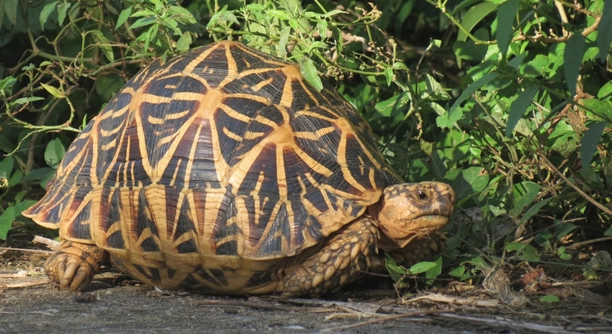
Indian star tortoises, native to the Indian subcontinent, are a popular pet due to their calm nature and striking appearance. However, maintaining proper hydration for them is essential for their health and well-being.
To improve hydration habits in Indian star tortoises, ensure consistent access to fresh water, control humidity levels in their habitat, and adjust their diet. Additionally, misting their environment, providing soaking opportunities, and monitoring hydration levels are key steps.
By following these methods, you can keep your tortoise hydrated and promote a healthier, happier life for your pet.
Ensure Consistent Access to Fresh Water
A crucial factor in keeping Indian star tortoises well-hydrated is providing them with access to fresh water. You can place a shallow water dish in their enclosure, but make sure it’s easy for them to reach and won’t tip over. It’s important to clean the dish regularly to avoid bacteria buildup, which can cause health problems. The water should be fresh and changed daily. Some tortoises may drink from a dish, while others might prefer soaking themselves, which can help them stay hydrated. It’s essential to observe your tortoise and ensure they are drinking enough water.
A clean, shallow water dish helps to encourage drinking and prevents dehydration.
To make things easier, you can also place a shallow container in their habitat for them to soak in. This offers a simple way to help your tortoise stay hydrated, especially during warmer months. Soaking allows your tortoise to absorb water through their skin, aiding hydration. However, be mindful of the temperature. If the water is too cold or too warm, it may deter your tortoise from soaking.
Control Humidity Levels in Their Habitat
Humidity plays a key role in maintaining proper hydration. The right levels of humidity help your tortoise stay hydrated and comfortable in its environment. Aim for a humidity range between 50% and 70% within the enclosure. Too much humidity can lead to respiratory problems, while too little can cause dehydration. Adjusting the enclosure’s humidity can be as simple as adding a water source or using a humidifier.
Maintain the right balance to ensure the health of your tortoise.
Ensure that the substrate is slightly moist to maintain a balanced level of humidity. If you notice your tortoise isn’t drinking water regularly, the humidity level could be too low, which can affect their hydration. You can add damp moss to their enclosure or use a water dish that they can soak in. Regular monitoring will help you keep their environment optimal for hydration and overall well-being. Also, avoid using chemicals in the water that could harm your pet’s health.
Adjust Their Diet for Better Hydration
Including water-rich foods in your tortoise’s diet can make a big difference. Offer vegetables like lettuce, cucumber, and melon, which have high water content. These foods help maintain hydration while providing essential nutrients. Make sure to chop them into manageable pieces to prevent choking.
Adding these foods to their diet can improve hydration. Make sure to wash them thoroughly to remove pesticides or chemicals. Fresh, natural foods keep your tortoise healthy and well-hydrated. Along with regular water access, a diet rich in vegetables will contribute to your tortoise’s hydration and overall health.
A balanced diet that includes water-rich foods reduces the chances of dehydration. It’s essential to vary their meals for nutritional balance while ensuring hydration is maintained. Avoid too much dry food, as it can lead to dehydration. Hydrating foods can also support digestion and overall well-being, providing a steady source of moisture for your tortoise.
Offer Soaking Opportunities
Soaking is an excellent way to keep your tortoise hydrated, especially if it isn’t drinking enough water. Gently place your tortoise in a shallow dish of lukewarm water and let them soak for 15-20 minutes. This helps them absorb moisture through their skin, ensuring they stay hydrated.
Soaking should be done a few times a week. Watch for signs that your tortoise enjoys the process, such as moving around in the water. However, be cautious not to leave them in for too long, as this may stress them out. Soaking is an effective, low-effort method to improve hydration and overall health.
For young tortoises, soaking may be especially beneficial since they need more moisture during their growth stages. Regular soaking can also help maintain skin and shell health. Keep the water temperature comfortable—too hot or cold could discourage them from soaking. Always monitor them during soaking to ensure they don’t become overwhelmed.
Mist Watering to Boost Humidity
Misting your tortoise’s enclosure can help maintain the right humidity level. Light misting with fresh water a few times a day adds moisture to the air, supporting hydration. Be careful not to overdo it, as excessive moisture can lead to mold growth.
A simple spray bottle works well for misting. Ensure that the water droplets don’t collect in a way that creates puddles. The idea is to keep the environment humid without it becoming too wet. Over time, you’ll learn the right balance for your tortoise’s needs. Regular misting can promote hydration and a comfortable living space.
Monitor Hydration Levels
Checking your tortoise’s hydration is important for their well-being. Watch for signs of dehydration, such as sunken eyes or dry skin. If your tortoise appears sluggish or refuses to eat, dehydration could be the cause.
Look for subtle signs early. If dehydration becomes serious, soaking and improving access to water can help. Monitoring your tortoise consistently will ensure their health and hydration levels remain optimal.
Use Proper Substrate to Retain Moisture
The right substrate can help maintain humidity in the enclosure. Use a mix of soil and coconut fiber to retain moisture without making the habitat too wet. A suitable substrate ensures the environment is both comfortable and hydrated for your tortoise.
Choose substrates that won’t dry out quickly or make the enclosure too damp. Keeping the right moisture balance will help regulate humidity and make the tortoise’s habitat more natural and supportive of hydration. Regularly monitor the substrate’s moisture level and adjust accordingly.
FAQ
How often should I change the water in my tortoise’s dish?
It’s important to change your tortoise’s water daily. Fresh water helps prevent bacterial growth, which can lead to health problems. Make sure the water dish is clean and free from any debris or waste. Changing the water every day ensures that your tortoise has access to clean, safe drinking water at all times.
Can I use tap water for my tortoise?
Yes, you can use tap water, but make sure it is safe. Some tap water contains chlorine or other chemicals that might harm your tortoise. If possible, let the water sit for 24 hours before giving it to your tortoise to allow any chlorine to evaporate. Alternatively, you can use filtered or bottled water.
How can I tell if my tortoise is dehydrated?
Signs of dehydration in tortoises include sunken eyes, dry or flaky skin, and a lack of appetite. If your tortoise appears sluggish or isn’t moving around much, it could be a sign they are not getting enough water. Checking their skin elasticity is also helpful—pinch the skin gently and see if it bounces back quickly. If it stays pinched, dehydration may be present.
Should I mist my tortoise’s enclosure every day?
Misting can be done every day, but it depends on the humidity level in your tortoise’s enclosure. If the humidity is too low, misting will help maintain the right moisture balance. However, be careful not to over-mist. Too much moisture can create a breeding ground for mold, which can cause respiratory issues for your tortoise. Mist lightly a few times a day, and adjust based on your enclosure’s humidity.
How do I know the humidity is correct in my tortoise’s habitat?
A simple way to monitor the humidity level is by using a hygrometer. The ideal humidity for Indian star tortoises is between 50% and 70%. If the humidity is too high, it can lead to respiratory issues, while too low a humidity can cause dehydration. If the humidity is too low, consider misting more often or adding a water source in the enclosure to increase moisture levels.
Can my tortoise get too much water?
Yes, while it’s important to keep your tortoise hydrated, over-hydration can be harmful. Too much water, especially in the form of soaking, can lead to stress or make the tortoise feel too bloated. Stick to soaking your tortoise for about 15-20 minutes, 2-3 times a week, depending on your tortoise’s specific needs. Always monitor them during soaking to ensure they’re not overwhelmed.
What’s the best way to soak my tortoise?
The best way to soak your tortoise is by placing it in a shallow dish of lukewarm water. Make sure the water is deep enough for your tortoise to submerge their legs and part of their body. The water should never be too hot or too cold, as it can stress your tortoise. Never leave your tortoise in the water unsupervised, and make sure they don’t stay in for too long.
How can I increase humidity in my tortoise’s enclosure?
To increase humidity, you can mist the enclosure with water, as mentioned earlier. Adding a shallow water dish for your tortoise to soak in is another effective method. You can also use a humidifier or place damp moss in the enclosure to help keep moisture levels up. Always monitor the humidity to avoid excess moisture, which can lead to mold or fungal growth.
Can I use a heat lamp and a humidifier together?
Yes, you can use both a heat lamp and a humidifier in the same enclosure, but be sure to position them correctly. The heat lamp should be placed above a basking area, while the humidifier should be in a location where it won’t overheat the enclosure. The goal is to maintain a warm, humid environment without making it too hot or too moist. Make sure to monitor both the temperature and humidity levels regularly.
Should I give my tortoise water-rich vegetables every day?
Yes, incorporating water-rich vegetables like cucumber, melon, and lettuce into your tortoise’s diet is a great way to boost hydration. These foods provide additional moisture while also supplying essential vitamins and nutrients. Offering them daily is a good practice, but make sure to vary the diet to avoid nutritional imbalances. Always wash vegetables thoroughly before feeding them to your tortoise to remove any harmful chemicals.
Is it okay to use a water bowl for my tortoise to soak in?
Yes, a water bowl can be used for soaking, but make sure it’s large enough for your tortoise to comfortably enter. The water level should be shallow, and the sides of the bowl should be low enough so your tortoise can climb in and out easily. Keep the water clean and change it frequently to avoid bacterial buildup. Always supervise your tortoise during soaking.
Do I need to add a humidity gauge to my tortoise’s enclosure?
A humidity gauge (hygrometer) is highly recommended to monitor the moisture level in your tortoise’s enclosure. It’s easy to use and helps you track whether the environment is too dry or too humid. Keeping the humidity at the right level will support your tortoise’s hydration and health, and a hygrometer gives you the information you need to make adjustments.
Final Thoughts
Proper hydration is essential for the health of Indian star tortoises. By ensuring that they have access to fresh water every day, controlling the humidity in their environment, and offering water-rich foods, you can help keep your tortoise hydrated and comfortable. These simple practices can go a long way in preventing dehydration and supporting their overall well-being. Monitoring your tortoise for signs of dehydration and adjusting their habitat as needed is also an important step in maintaining their health.
Providing a variety of soaking opportunities and using proper misting techniques will further help improve hydration. Soaking your tortoise a few times a week is an effective way to support their water intake, especially for those that may not drink from a bowl. Regular misting will also ensure that the humidity level in their enclosure stays within the ideal range. When humidity is balanced correctly, it creates a more natural habitat that encourages hydration and promotes a healthy lifestyle for your tortoise.
Incorporating these methods into your routine will help ensure that your tortoise remains hydrated and happy for years to come. A well-hydrated tortoise is more likely to thrive and maintain a healthy diet, which can prevent many potential health issues. With the right care and attention to their hydration needs, your tortoise can live a long, healthy life in your home.

Hello,
If you enjoy the content that we create, please consider saying a "Thank You!" by leaving a tip.
Every little bit helps us continue crafting quality advice that supports the health, happiness, and well-being of pets around the world, for pets of all shapes, sizes, and species.
We really appreciate the kindness and support that you show us!