
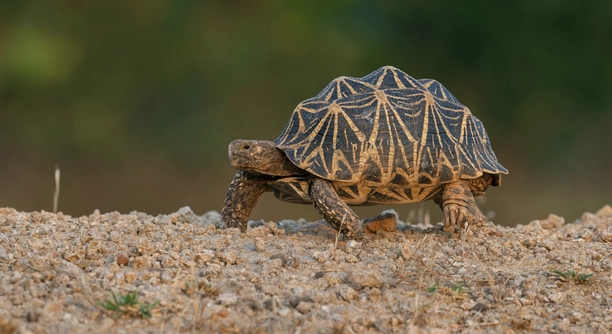
Sometimes your Indian Star Tortoise may not seem to respond to UVB light the way you expect. It can be frustrating when you’re trying to provide the best care. Understanding the possible reasons behind this behavior can help.
The primary reason your Indian Star Tortoise might not be responding to UVB light is due to improper placement or inadequate exposure. The light intensity may not be strong enough, or the tortoise may be too far from the light source.
There are several factors that could be affecting the effectiveness of UVB light for your tortoise. Identifying them will help you provide the right conditions for your pet’s health.
Placement of UVB Light
One of the main factors affecting your Indian Star Tortoise’s response to UVB light is the placement of the light source. UVB light needs to be positioned close enough to your tortoise, but not too close. If the light is too far away, your tortoise might not receive enough UVB exposure to meet its needs. Typically, a distance of 10 to 12 inches from the tortoise is ideal for most UVB bulbs. Another important point to consider is the type of bulb you’re using. Some bulbs lose their UVB output quickly over time. If your bulb is old or of poor quality, it might not provide the necessary UVB rays for your tortoise’s health. Ensure that the UVB light is placed directly over the basking area to allow your tortoise to absorb the UVB rays while it warms up under the light.
Correct placement and a suitable light source are essential for your tortoise’s overall well-being.
Always check the manufacturer’s guidelines to ensure that the UVB light is being used correctly. This will prevent any potential issues with your tortoise’s health.
Bulb Quality
Another significant issue can be the quality of the UVB bulb itself. Not all UVB bulbs are created equal, and some may emit less UVB light than advertised. Over time, even high-quality bulbs can lose their UVB output. If your bulb is old or has been in use for more than 6 months, it’s a good idea to replace it. Tortoises require UVB light to synthesize vitamin D3, which is necessary for calcium absorption. Without adequate UVB, they may develop health problems such as metabolic bone disease. Choosing a reputable brand that guarantees sufficient UVB output is crucial for your pet’s health. Additionally, it’s important to select the correct strength of UVB. Depending on the species and size of your tortoise, you may need a higher-output bulb.
Check your bulbs frequently for any signs of wear or reduced output. This helps maintain a healthy environment for your tortoise.
Distance from the Light Source
The distance between your Indian Star Tortoise and the UVB light can have a big impact. If the light is too far away, your tortoise won’t receive enough exposure. The optimal distance is usually between 10 to 12 inches.
UVB bulbs lose their intensity over distance, so ensuring the right proximity is important. If the light is too far, your tortoise may not get the UVB rays it needs for proper calcium absorption. If it’s too close, it could cause excessive heat, which can stress your tortoise.
Use a UVB light fixture with adjustable height to find the perfect distance. Regularly measure the distance from your tortoise to ensure it stays within the ideal range.
Health Issues
Health problems can also affect your tortoise’s response to UVB light. If your pet is unwell, it might not react to the light as expected. Infections, parasites, or vitamin deficiencies can all reduce their activity or interest in basking.
When a tortoise is sick, its natural behavior often changes. It may avoid basking areas, which means it gets less UVB exposure. A sick tortoise can also become lethargic or have trouble digesting food, making it harder for them to absorb the benefits of UVB light. Keep a close eye on your tortoise’s behavior and overall health to rule out any potential medical issues.
If you notice any signs of illness, seek advice from a reptile vet immediately. Proper medical care will help your tortoise respond to its UVB light again.
Light Cycle
Your Indian Star Tortoise needs a consistent light cycle to stay healthy. UVB light should be provided for 10 to 12 hours a day to mimic natural daylight. This helps regulate your tortoise’s circadian rhythm and supports its metabolism.
If the light cycle is inconsistent or too short, your tortoise may not receive enough UVB exposure, which can affect its overall health. Regular light exposure helps your tortoise maintain its activity level and promotes proper calcium metabolism. Keep a timer on the light to ensure it follows a predictable schedule every day.
Temperature Range
Along with UVB light, the temperature in the enclosure is just as crucial. Tortoises need a warm basking area of about 95°F to 100°F. Too cold of a basking spot can prevent proper digestion and reduce the benefits of UVB exposure.
Maintaining this temperature helps your tortoise digest food properly and absorb calcium. If the basking area is too cold, your tortoise may avoid it and not receive adequate UVB light. Use a reliable thermometer to monitor the temperature, and consider a heat lamp to maintain a steady warmth in the basking area.
Habitat Size
Your tortoise’s habitat size can also impact how it reacts to UVB light. If the enclosure is too large, the light may not reach your tortoise effectively. The tortoise could stay too far away from the UVB light and not absorb enough.
A smaller, well-lit space encourages your tortoise to bask regularly and get the UVB it needs. Make sure the space is designed so your tortoise can move easily between the basking area and cooler spots.
FAQ
Why is my Indian Star Tortoise not basking under the UVB light?
If your tortoise is avoiding the basking area, it could be due to several reasons. The temperature might be too high or too low, making it uncomfortable for your tortoise to bask. Make sure the basking area is between 95°F and 100°F. Additionally, your tortoise may not feel safe or secure in the enclosure. Providing hiding spots or more cover can reduce stress and encourage basking. If the light intensity is too weak, your tortoise may simply not feel the need to bask under it. Check the UVB light’s strength and distance from the tortoise.
How often should I replace the UVB light bulb?
UVB light bulbs lose their effectiveness over time, even if they still emit visible light. It’s recommended to replace the UVB bulb every 6 months to ensure your tortoise is receiving proper exposure. Some bulbs, such as fluorescent tube lights, degrade quickly, while others may last a bit longer. Always check the manufacturer’s guidelines for replacement intervals. Even if the bulb looks fine, its UVB output may be significantly reduced after several months of use.
Can too much UVB light harm my tortoise?
Yes, too much UVB exposure can be harmful to your tortoise. If the UVB light is too close to the basking spot or left on for too long, it can cause stress, dehydration, or burns. Overexposure may also lead to metabolic bone disease, as it can throw off the calcium-to-phosphorus ratio in the tortoise’s diet. Ensure that the UVB light is placed at the right distance (usually 10-12 inches) and is on for the proper 10-12 hours per day.
Can I use a regular light bulb instead of UVB light?
No, regular light bulbs do not provide the necessary UVB rays that your tortoise needs. UVB light is essential for calcium metabolism, which helps prevent bone disease. While a regular light bulb will provide warmth, it won’t support your tortoise’s health in the same way as UVB lighting. Always use a specialized UVB bulb designed for reptiles to ensure the proper wavelength and intensity.
Should I turn off the UVB light at night?
Yes, UVB lights should be turned off at night to mimic the natural day-night cycle. Tortoises need a period of darkness for rest, and leaving the light on 24 hours a day can disrupt their natural rhythm. This can lead to stress and health problems. Make sure to turn the UVB light off at night and provide a heat source for the cooler nighttime temperatures.
What type of UVB bulb is best for my Indian Star Tortoise?
For an Indian Star Tortoise, a UVB light with a spectrum between 290-320 nanometers is ideal. A UVB bulb with 10.0 to 12.0 UVB output is usually the best choice. These bulbs are typically available in compact fluorescent or linear tube forms. Always choose a reputable brand that guarantees the correct UVB output. Some tortoise keepers prefer mercury vapor bulbs, as they provide both UVB and heat, making them a convenient option for the basking area.
Why isn’t my UVB light working even though it looks on?
Even if the UVB light appears to be on, it may not be emitting the necessary UVB rays. As bulbs age, they lose their UVB output, even if they still emit visible light. Try using a UVB meter to check the effectiveness of your bulb. If the UVB output is too low, it’s time to replace the bulb, even if it still lights up. It’s also possible the light is too far from the basking area, making it ineffective at that distance.
Can my tortoise still get vitamin D3 without UVB light?
Without UVB light, your tortoise may struggle to produce vitamin D3 naturally. UVB rays allow your tortoise to synthesize vitamin D3, which is crucial for calcium absorption. Without it, your tortoise could develop metabolic bone disease, leading to deformities, weakness, and other health issues. If UVB exposure is unavailable, you can supplement vitamin D3 in your tortoise’s diet, but this is not an ideal long-term solution. It’s best to provide proper UVB lighting as part of your tortoise’s care routine.
What happens if my tortoise doesn’t get enough UVB light?
If your tortoise doesn’t get enough UVB light, it can lead to serious health problems. The most common issue is metabolic bone disease, where the bones become soft, weak, and misshapen due to calcium imbalance. Insufficient UVB light can also cause poor growth, lethargy, and a weakened immune system. Without proper UVB exposure, your tortoise won’t be able to absorb calcium properly, which is vital for maintaining strong bones and overall health. Always ensure your tortoise gets adequate UVB light for proper bone and shell development.
Is it okay to use natural sunlight instead of UVB light?
Yes, natural sunlight can provide UVB rays, but it’s not always reliable. If you can provide your tortoise with direct sunlight for a few hours a day, that can be a good alternative to UVB bulbs. However, outdoor sunlight varies depending on the time of day, weather, and location. Additionally, UVB rays are filtered by glass, so placing your tortoise behind a window won’t provide the necessary UVB exposure. Be mindful that prolonged exposure to direct sunlight without shelter can cause overheating or dehydration, so always monitor your tortoise closely.
Final Thoughts
Caring for an Indian Star Tortoise involves understanding several factors that affect its health, and UVB lighting is one of the most important. If your tortoise isn’t responding to UVB light, it may be due to improper placement, poor quality bulbs, or other factors like health issues or habitat conditions. Ensuring the right light intensity and distance can make a big difference. It’s important to replace bulbs regularly and monitor the tortoise’s environment to ensure the best possible conditions for growth and overall well-being.
UVB light is essential for your tortoise’s ability to synthesize vitamin D3, which is crucial for calcium absorption and bone health. Without sufficient UVB exposure, your tortoise can develop metabolic bone disease, which can severely affect its quality of life. By following simple guidelines, like using the right bulb, placing it at the proper distance, and keeping a consistent light cycle, you can help your tortoise thrive. Regularly checking the health of the bulb and ensuring the enclosure has proper temperature gradients will also support your tortoise’s needs.
Remember, every tortoise is different. Some may respond more easily to UVB light than others. If you’re still facing issues despite following all the recommended steps, it’s a good idea to consult a reptile vet. They can help rule out health problems or give further guidance on how to improve the lighting setup. With the right care, your Indian Star Tortoise can live a long, healthy life, basking happily under its UVB light.

Hello,
If you enjoy the content that we create, please consider saying a "Thank You!" by leaving a tip.
Every little bit helps us continue crafting quality advice that supports the health, happiness, and well-being of pets around the world, for pets of all shapes, sizes, and species.
We really appreciate the kindness and support that you show us!