
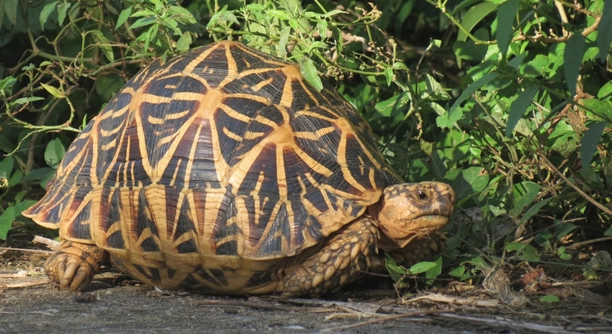
Indian Star Tortoises are beautiful, but managing their temperature is important for their well-being. If they get too hot, it can be harmful. Knowing how to keep them cool is essential to their health and comfort.
Overheating in Indian Star Tortoises is often due to improper enclosure temperature or insufficient shade. To address this, ensure their habitat is well-ventilated and that they have access to cooler areas during the hottest parts of the day.
Understanding these tips can help you maintain a comfortable environment for your tortoise and prevent heat-related issues. Keep reading to learn more.
Proper Enclosure Temperature
To prevent overheating, it’s crucial to keep your Indian Star Tortoise’s enclosure at the right temperature. The ideal range is between 80-90°F (27-32°C). Too high or low of a temperature can cause stress and health problems. Using a reliable thermometer can help you monitor the conditions regularly.
You can set up a basking area with a heat lamp to ensure your tortoise has a spot to warm up. But, it’s important to provide shaded areas where they can escape the heat. A balanced temperature will keep your tortoise comfortable and safe.
If your tortoise’s enclosure is too hot, it’s a good idea to use fans for ventilation or even air conditioning to bring the temperature down. Avoid placing the enclosure directly under sunlight for prolonged periods, as this can cause rapid overheating. Keeping the space well-ventilated and at a steady, moderate temperature will allow your tortoise to thrive.
Proper Ventilation
A well-ventilated enclosure is key in preventing excessive heat buildup. Ensuring there is airflow helps regulate the internal temperature.
Adding ventilation holes or mesh panels to your tortoise’s habitat will keep air moving, preventing heat from becoming trapped.
Shade and Hiding Spots
It’s essential to provide shaded areas for your Indian Star Tortoise to escape the heat. Natural or artificial shade can help regulate their body temperature.
A simple way to create shade is by placing plants or logs inside the enclosure. These provide hiding spots, giving your tortoise a place to cool down when needed. If you’re using artificial shade, ensure it’s easy to remove so your tortoise can still access sunlight when necessary. Also, try using dark-colored materials for shade, as they tend to absorb and retain heat, which can help keep the temperature more consistent.
If you’re in a particularly warm environment, consider adding a small water dish with a cool, fresh supply of water. Tortoises sometimes use water to help lower their body temperature. Ensure the water is shallow enough to avoid accidents, but deep enough to provide a cooling effect. This setup can add comfort and allow your tortoise to regulate its own body heat when needed.
Avoid Overcrowding
Overcrowding can lead to higher temperatures inside the enclosure, as multiple tortoises generate more heat. Keep only a few tortoises per space.
If you have multiple tortoises, each one will need its own space with access to separate cool areas and basking spots. Overcrowding can stress your tortoises and cause them to fight, further increasing the risk of overheating. Ensure each tortoise has a designated spot to retreat to when the temperature becomes uncomfortable. It’s not just about space; each tortoise needs its own privacy. Too many tortoises in a confined area will increase the chances of your tortoises feeling stressed and overheated, which may affect their health.
Use Cooling Mats
Cooling mats are a great way to help your tortoise stay cool. Place them under their bedding for a more comfortable environment.
These mats provide a cool surface that your tortoise can use to regulate its body temperature. It’s an easy and safe way to help your tortoise avoid overheating. Make sure the mats are non-toxic and appropriate for reptiles.
Limit Sun Exposure
Direct sun exposure should be limited, especially during the hottest hours of the day. Excessive sun can lead to dehydration and stress.
Allow your tortoise to have access to sunlight for vitamin D, but make sure they can escape it when needed. Providing shade and a cooler environment will help them balance their exposure to heat.
FAQ
How do I know if my Indian Star Tortoise is overheating?
Overheating in a tortoise can be spotted through several signs. If your tortoise is sluggish, refuses food, or seems overly lethargic, it may be overheated. Additionally, if you notice rapid breathing or excessive basking, these can also be indicators of heat stress. Keep an eye on their behavior, and if these signs occur, it’s time to adjust their environment.
Can Indian Star Tortoises handle high temperatures?
Indian Star Tortoises are used to warm climates, but they can’t handle extreme heat for long periods. Prolonged exposure to high temperatures can lead to dehydration or heat stroke. It’s important to keep their habitat within the ideal temperature range of 80-90°F (27-32°C) to ensure they stay healthy.
What’s the best way to cool down my tortoise’s enclosure?
To cool down the enclosure, start by adding extra ventilation, using fans, or moving it to a cooler area. Avoid placing the enclosure in direct sunlight for long periods. You can also try placing a shallow dish of cool water inside, which will help lower the temperature and provide your tortoise with a way to cool down naturally.
Can I put my tortoise outside during hot weather?
It’s possible, but you need to ensure that there is sufficient shade and cool places for them to retreat. Direct sun exposure can quickly become dangerous. If your tortoise is outside, always supervise it and make sure it has access to a shaded area or shelter.
What if my tortoise keeps digging in the substrate?
Digging is a normal behavior for tortoises, especially when they are trying to find a cooler spot. If your tortoise is digging excessively, it may be searching for a cooler area to escape the heat. Make sure your substrate allows for proper cooling and offers areas that are cooler beneath the surface.
How often should I check the temperature in my tortoise’s enclosure?
It’s a good idea to check the temperature multiple times throughout the day, especially during the warmer months. This ensures that the temperature remains within the ideal range and prevents overheating. A thermometer that records highs and lows can be helpful for monitoring changes.
Can I use ice to cool down the tortoise’s habitat?
Using ice to cool down the habitat is not recommended, as the sudden temperature drop can cause stress. Instead, use natural cooling methods like fans, extra ventilation, and providing shaded areas. If you must use ice, place it outside the enclosure and allow it to cool the air gradually.
How do I prevent my tortoise from dehydrating in hot weather?
Ensure your tortoise always has access to fresh, clean water. Adding shallow water dishes inside the enclosure can help your tortoise cool down while staying hydrated. You can also mist the substrate to maintain humidity levels and provide a more comfortable environment. Regular hydration is key during hotter months.
What’s the ideal humidity level for my tortoise’s habitat?
The humidity level should be moderate, around 50-60%. High humidity can exacerbate heat, and low humidity can lead to dehydration. Make sure the habitat is well-ventilated to maintain a comfortable balance and avoid creating too much moisture. This also helps prevent mold and bacteria from forming.
Can I use a heat lamp in my tortoise’s enclosure during summer?
Yes, but use the heat lamp sparingly. The goal is to maintain a consistent, safe temperature, not to increase the heat. Place the lamp so that there is a cool area for your tortoise to retreat to if it gets too warm. You can also use it for basking when the temperature drops.
Is it safe to use a fan to cool down my tortoise’s habitat?
Yes, fans can be an effective way to improve air circulation and reduce the temperature in the enclosure. Place a fan outside the enclosure or direct airflow at the habitat to help with cooling. Be sure the airflow isn’t too strong, as it can cause stress or dryness.
How can I prevent my tortoise from getting too hot during the day?
To prevent overheating during the day, make sure your tortoise has access to shaded areas and cooler spots in its enclosure. Avoid placing the habitat in direct sunlight, especially during midday when temperatures are at their highest. You can also use cooling mats and ventilation systems to regulate temperature.
Final Thoughts
Overheating can be a serious concern for Indian Star Tortoises, but with proper care, you can help keep them comfortable and healthy. The key is to create an environment that allows them to regulate their body temperature easily. Providing shaded areas, proper ventilation, and a safe space to cool down are crucial steps in preventing overheating. It’s also important to monitor their behavior and make necessary adjustments to their habitat if needed.
While tortoises are used to warm climates, they cannot tolerate extreme temperatures for long periods. Overheating can cause stress, dehydration, or even more severe health issues. It’s essential to strike a balance between providing warmth and preventing excess heat. This means not only controlling the temperature of their enclosure but also offering enough cool areas for them to escape to when they need it. Simple steps like checking the temperature regularly and adjusting the lighting or ventilation can make a significant difference.
By understanding your tortoise’s needs and taking the right precautions, you can ensure they live a long, healthy life. Remember, prevention is key. Regularly monitor the temperature, provide enough water, and give your tortoise options for both warmth and coolness. If you notice any signs of stress or overheating, take action right away to avoid further issues. With these tips in mind, you’ll create a safe, comfortable environment for your Indian Star Tortoise to thrive in.

Hello,
If you enjoy the content that we create, please consider saying a "Thank You!" by leaving a tip.
Every little bit helps us continue crafting quality advice that supports the health, happiness, and well-being of pets around the world, for pets of all shapes, sizes, and species.
We really appreciate the kindness and support that you show us!