
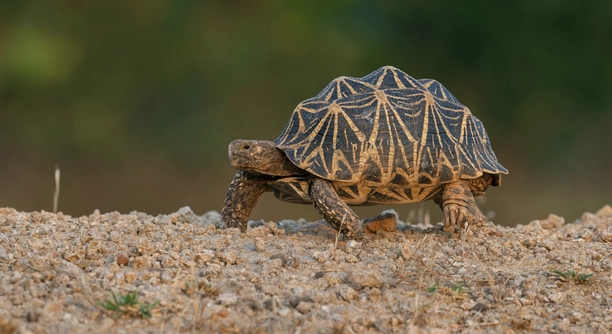
Indian Star Tortoises are known for basking in the warmth of their environment, but sometimes they may refuse to do so. This behavior can be frustrating for owners, especially when the tortoise’s health and well-being are a concern.
The refusal to bask may be caused by several factors, including improper habitat temperature, inadequate lighting, or stress. Ensuring the right basking spot with proper UVB lighting and heat gradients can encourage your tortoise to bask and stay healthy.
By addressing these common factors, you can help your tortoise feel comfortable and more willing to bask in its environment.
Temperature Issues
One of the main reasons your Indian Star Tortoise may refuse to bask is improper temperature in its habitat. These tortoises require a specific heat gradient, with a warm basking spot of about 90-95°F (32-35°C) and cooler areas around 75-80°F (24-27°C). If the basking area is too cold, your tortoise might not feel motivated to bask. On the other hand, a temperature that’s too hot can lead to stress and avoidance. Ensuring that the heat is evenly distributed throughout the habitat can also make a significant difference.
It’s important to check both the basking area and the cooler zones regularly with a thermometer to confirm they stay within the ideal range. If you find that the area is too cold or too warm, adjusting the temperature using heating lamps or ceramic heat emitters may help.
Consider adding a thermometer and heat source that closely mimics the sun’s warmth. By maintaining the right temperature, your tortoise will be more inclined to bask and stay healthy.
Lighting Matters
Proper UVB lighting plays a critical role in your tortoise’s behavior. UVB helps regulate the tortoise’s natural circadian rhythm and supports calcium absorption. Without proper UVB, your tortoise may avoid basking altogether.
UVB bulbs should be placed within a reasonable distance from the basking area, typically around 12 inches (30 cm). Over time, UVB bulbs lose their intensity, so it’s essential to replace them regularly, every 6-12 months. Without adequate UVB lighting, your tortoise can suffer from health issues, such as shell deformities or metabolic bone disease.
The lighting is not only important for basking but also for overall well-being. Proper lighting ensures your tortoise can effectively absorb nutrients and stay active.
Stress and Anxiety
Stress can prevent your Indian Star Tortoise from basking. When they feel threatened, stressed, or insecure, they might avoid basking to retreat into their shell. Environmental changes, such as loud noises, the presence of other pets, or sudden handling, can make them feel unsafe.
Your tortoise might also experience stress from overcrowded enclosures or improper hiding spots. Make sure there’s a quiet, safe area in their habitat for them to retreat to when they need space. It’s essential to minimize any unnecessary disturbances, as consistent stress can affect their health and behavior.
If you’ve recently moved your tortoise to a new space, they may need time to adjust. It’s important to be patient during this time, allowing your tortoise to get comfortable in its new surroundings. Providing a stable, stress-free environment can encourage basking and promote overall well-being.
Diet and Hydration
A lack of proper diet and hydration can also impact your tortoise’s basking habits. If your tortoise isn’t receiving enough calcium, vitamins, or hydration, it may choose to stay hidden rather than bask in the heat.
Indian Star Tortoises thrive on a diet rich in leafy greens, flowers, and grasses, with the occasional fruit. A calcium supplement is often recommended, as it helps with shell development and bone health. If they’re not getting enough nutrition or proper hydration, their behavior can shift, including reluctance to bask.
Make sure fresh water is always available, and ensure that their food is fresh and varied. In some cases, an improper diet can result in a weakened immune system, leading to further behavioral changes.
Incorrect Habitat Size
If the enclosure is too small, your tortoise may feel cramped and unwilling to bask. A spacious environment allows them to move freely and choose their preferred basking spot. If they feel confined, it can cause stress or discomfort.
Ensure the habitat is large enough for your tortoise to explore and has adequate hiding places and basking zones. A cramped space may discourage your tortoise from using the basking area, as they may feel more secure staying in their shell. A larger enclosure allows them to feel safe and comfortable, encouraging basking.
Basking Spot Location
The location of the basking spot can affect whether your tortoise uses it. If it’s in a corner or hidden away, your tortoise might not feel comfortable basking there. The basking area should be easily accessible and positioned for optimal sunlight or heat from a light source.
Seasonal Behavior
Tortoises can be sensitive to seasonal changes, which might lead them to reduce basking during cooler months. This behavior is natural, as they may enter a more dormant state during colder weather.
They may bask less if temperatures drop or if the environment is not as warm. Adjusting the habitat temperature to simulate a consistent environment can help prevent seasonal changes from affecting basking habits.
FAQ
Why is my Indian Star Tortoise not basking even though the temperature is correct?
If your tortoise is not basking despite the correct temperature, the issue could lie in other factors such as stress, lighting, or habitat conditions. Even when the temperature is ideal, stress from environmental changes or improper lighting can discourage basking. It’s also important to ensure the basking area is easily accessible and that the tortoise feels safe in the space. Ensure there’s enough room for them to move around comfortably, and check that the lighting is providing adequate UVB and heat for proper basking behavior.
What should I do if my tortoise stops basking for an extended period?
If your tortoise stops basking for an extended period, it may indicate an underlying issue. It could be a sign of stress, health problems, or incorrect habitat conditions. Start by reviewing their environment: check temperature gradients, lighting, and humidity levels. Also, ensure they have enough space and hiding spots. If the issue persists, a visit to the vet might be necessary to rule out health concerns.
Can I move the basking spot to another area of the enclosure?
Yes, you can move the basking spot, but it’s essential to ensure that the new location still provides the right conditions. The basking area should be warm, well-lit with UVB, and free from any disturbances. It’s important to make sure the tortoise can access the spot easily and that it’s not too close to areas of the enclosure that are too cold. A small adjustment can help, but ensure that the heat gradient and lighting are still effective.
How can I reduce stress for my Indian Star Tortoise?
Reducing stress is key to getting your tortoise to bask. Make sure they are in a quiet, calm environment with no sudden changes. Avoid loud noises and minimize handling. Provide hiding spots and ample space in the enclosure to allow your tortoise to retreat when it feels threatened. Additionally, ensure your tortoise’s diet is nutritious and that it’s getting enough hydration. Regularly monitor the habitat for any issues, such as fluctuating temperatures or poor lighting, which could contribute to stress.
How often should I replace the UVB bulb for my tortoise’s basking area?
UVB bulbs lose their effectiveness over time, even if they’re still lit. It’s generally recommended to replace UVB bulbs every 6 to 12 months, depending on the type of bulb. Some UVB bulbs degrade faster, so it’s essential to check the bulb’s output with a UV meter. The light should be positioned properly, about 12 inches above the basking spot, to ensure it reaches the tortoise effectively. Regularly replacing the bulb ensures your tortoise is receiving the proper UVB radiation needed for health and basking.
Is it okay for my tortoise to bask under artificial light all day?
While it’s essential for your tortoise to receive heat and UVB light, keeping them under artificial light all day is not ideal. Tortoises need a natural day-night cycle for proper health. You should aim to provide 10-12 hours of light during the day and allow for a dark period at night. This cycle mimics natural sunlight patterns and helps regulate your tortoise’s circadian rhythm. Using timers for lights can help maintain a consistent schedule.
Can poor diet affect my tortoise’s basking habits?
Yes, an improper diet can impact your tortoise’s behavior, including its willingness to bask. If your tortoise is not receiving enough calcium, vitamins, or hydration, it may avoid basking and may become lethargic. A diet rich in leafy greens, grasses, and occasional fruits, along with calcium supplements, is essential for your tortoise’s overall health. Ensure that your tortoise’s food is fresh and varied to encourage healthy behavior, including basking.
How can I tell if my tortoise is healthy and needs to bask?
A healthy tortoise will be active and may seek out basking spots to maintain its body temperature. If your tortoise is not basking and seems lethargic, it may be a sign of illness, stress, or an unsuitable environment. Healthy tortoises generally have clear eyes, a smooth and firm shell, and they are alert to their surroundings. If these signs are absent, it might be time to reassess their habitat or consult a veterinarian for a health check.
Can I use natural sunlight for basking instead of artificial lighting?
Natural sunlight can be a great source of heat and UVB for your tortoise, but it can be tricky to rely on it solely. It’s important to provide a spot that gets direct sunlight for several hours a day. However, the intensity of sunlight can vary depending on the time of year, weather, and geographic location. If natural sunlight isn’t consistently available or doesn’t meet the needed UVB output, it’s best to supplement with an artificial UVB light. This ensures your tortoise gets consistent exposure to the necessary light for health and basking.
What signs should I look for if my tortoise is not basking due to health issues?
If your tortoise is not basking and shows signs of lethargy, weakness, or a lack of appetite, it may be suffering from a health issue. Other signs of illness include swollen eyes, nasal discharge, and abnormal shell appearance. If these symptoms occur alongside a refusal to bask, it’s important to seek veterinary advice as soon as possible. Health problems can worsen quickly, so it’s crucial to act fast to ensure your tortoise gets the proper care.
Final Thoughts
If your Indian Star Tortoise is refusing to bask, it’s important to look at the overall environment to identify potential issues. Basking is a vital behavior for their health and well-being, as it allows them to regulate their body temperature and receive the UVB light they need for proper metabolism. While it may seem like a simple task for your tortoise to bask, there are many factors that can influence this behavior. From the temperature of their habitat to the placement of the basking spot, everything can play a role in whether your tortoise decides to bask.
Stress and health issues can also prevent basking, so it’s crucial to check for any signs of distress in your tortoise. This can include reduced activity, a lack of appetite, or changes in behavior. If you notice anything unusual, it’s always a good idea to seek advice from a vet. Sometimes, small changes in their environment, such as adjusting the temperature or the lighting, can make a big difference. However, it’s also possible that there are more serious health problems that need to be addressed.
In the end, understanding your tortoise’s needs and keeping its habitat well-maintained will help encourage healthy basking habits. Make sure they have enough space to move around, a suitable basking spot, and a temperature gradient that allows them to regulate their body heat. Keeping a consistent day-night cycle and providing a balanced diet will also help keep your tortoise happy and healthy. If issues persist, don’t hesitate to consult a vet to rule out any underlying health problems. With the right environment and care, your tortoise will likely return to its natural basking behavior.

Hello,
If you enjoy the content that we create, please consider saying a "Thank You!" by leaving a tip.
Every little bit helps us continue crafting quality advice that supports the health, happiness, and well-being of pets around the world, for pets of all shapes, sizes, and species.
We really appreciate the kindness and support that you show us!