
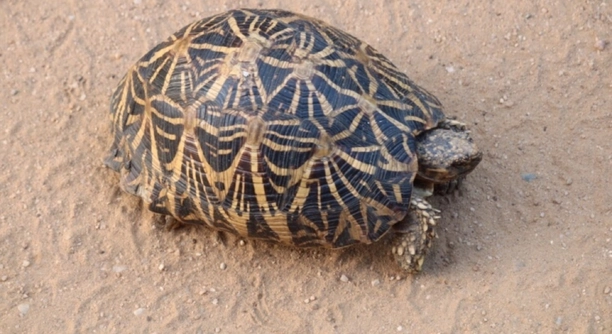
Indian star tortoises are beautiful creatures, known for their unique and intricate shell patterns. However, these shells can face problems that affect their overall health. Understanding the common issues can help you provide better care for your tortoise.
Indian star tortoises may experience several shell issues, including shell rot, cracks, and pyramiding. These conditions can be caused by improper diet, poor humidity levels, and lack of sunlight, all of which can affect their well-being and growth.
Addressing these problems early on can prevent more severe complications. Continue reading to find effective solutions for keeping your tortoise’s shell in healthy condition.
Shell Rot in Indian Star Tortoises
Shell rot is a common issue in tortoises, caused by bacterial or fungal infections. It usually occurs when the shell is exposed to excessive moisture or dirty environments. The symptoms include soft, discolored patches on the shell that may start to smell. If left untreated, shell rot can lead to more serious infections, potentially damaging the tortoise’s shell permanently.
Prevention is key. Ensure your tortoise’s enclosure is clean, dry, and has proper ventilation. Regularly check for any signs of rot, especially after exposure to wet conditions. Keeping the tortoise in a space with controlled humidity can also help.
If you notice any early signs, cleaning the affected area with an antiseptic solution can help. In severe cases, a veterinarian may need to treat the wound and prescribe medication to prevent further infection. Always monitor your tortoise closely for any changes in its shell or behavior. Early treatment can make a significant difference.
Cracked Shells and How to Address Them
Cracks in a tortoise’s shell can happen due to accidents or improper care. If a tortoise falls or gets stuck in a tight spot, its shell may suffer.
A crack can be a serious concern because it leaves the tortoise vulnerable to infection. It’s crucial to act quickly. You can clean the wound and apply a topical antibiotic ointment to prevent bacteria from entering. In severe cases, a vet may need to seal the crack with specialized materials.
Pyramiding in Indian Star Tortoises
Pyramiding is a condition where the tortoise’s shell grows in uneven, pyramid-like bumps. This is often due to improper diet or environmental conditions, such as inadequate humidity or excessive heat. It can cause discomfort and affect the tortoise’s overall health.
To prevent pyramiding, provide a balanced diet that includes plenty of fiber and calcium. Offer fresh vegetables, fruits, and some protein sources. Ensure the tortoise has access to natural sunlight or a UVB light source to aid in proper shell growth. Additionally, maintain proper humidity levels and a comfortable temperature in their habitat.
Regular monitoring of the tortoise’s shell can help detect early signs of pyramiding. If the condition worsens, seek guidance from a veterinarian experienced in reptile care. Proper care and a well-balanced diet are essential for promoting healthy shell development and overall well-being.
Soft Shell Issues
A soft shell is another problem that can occur in Indian star tortoises. It is typically caused by a lack of calcium or improper diet, and it can result in the shell becoming weak and flexible. A soft shell leaves the tortoise more vulnerable to injury and infection.
The primary cause of soft shell is calcium deficiency. Providing your tortoise with a diet rich in calcium, such as dark leafy greens and calcium supplements, can help prevent this issue. Make sure your tortoise also has access to a proper UVB light source, as this aids in calcium absorption. Regular exposure to sunlight is equally beneficial for shell health.
If you notice that your tortoise’s shell feels soft, consult with a vet. They can help you adjust your tortoise’s diet and environmental conditions to address the deficiency.
Overgrown Scutes
Overgrown scutes occur when the layers of the tortoise’s shell grow unevenly, leading to thick, excessive buildup. This is typically caused by improper diet or poor environmental conditions. Overgrown scutes can make the shell appear rough or misshapen.
Regular shedding of scutes is normal, but if they grow too long, they may trap moisture or dirt, which can cause infections. To prevent this, maintain a balanced diet and ensure your tortoise is exposed to proper sunlight or UVB lighting. The environment should also remain clean and dry.
If overgrown scutes become an issue, consult with a vet. They may recommend gentle trimming to remove the excess growth and ensure the shell stays healthy. Proper care and regular monitoring can help prevent this from happening.
Dehydration and Shell Issues
Dehydration is another factor that can cause shell problems in Indian star tortoises. Without enough water, their shells may become dry, brittle, or cracked. This condition is often linked to a lack of access to fresh drinking water, or if their diet lacks sufficient moisture.
Make sure your tortoise has access to clean water at all times. Offering water-rich vegetables and fruits can also help maintain hydration. Additionally, a proper humidity level in their enclosure can prevent dehydration and promote a healthy shell.
Heat Stress and Shell Damage
Excessive heat can cause damage to your tortoise’s shell. If the temperature in the enclosure becomes too high, it can lead to dehydration and increased stress, which affects shell health. A tortoise suffering from heat stress may show signs like lethargy, decreased appetite, or a weak shell.
FAQ
How can I prevent shell rot in my Indian star tortoise?
The best way to prevent shell rot is by maintaining a clean and dry habitat for your tortoise. Make sure the enclosure is properly ventilated, and avoid excessive moisture buildup. Regularly clean the area to reduce bacterial or fungal growth, and ensure your tortoise has access to natural sunlight or a UVB light. A balanced diet with enough calcium and proper hydration is essential to maintaining a strong shell and preventing rot.
What should I do if my tortoise’s shell is cracked?
If your tortoise’s shell is cracked, it’s important to act quickly to prevent infection. Clean the crack gently with warm water and apply an antiseptic ointment. Avoid using harsh chemicals, as they can irritate the wound. In more serious cases, take your tortoise to a vet, who can help seal the crack and prevent further damage. Ensure the tortoise’s environment remains clean and dry to avoid bacteria entering the wound.
Can my tortoise’s shell grow back after pyramiding?
Once pyramiding occurs, it cannot be fully reversed, but you can prevent further damage. Adjust the diet to include more fiber and calcium-rich foods, and ensure your tortoise has proper exposure to UVB light. By improving the tortoise’s habitat conditions, you can promote better shell growth moving forward. Pyramiding typically occurs when the tortoise is young, so catching the issue early is key to stopping it from worsening.
How do I fix a soft shell in my tortoise?
A soft shell often results from a calcium deficiency. To fix this, start by offering more calcium-rich foods, such as dark leafy greens or supplements. Ensure your tortoise has access to UVB light, as it helps with calcium absorption. A proper, balanced diet is crucial in restoring a healthy shell, and if the problem persists, a vet visit is necessary to check for other underlying issues.
What causes overgrown scutes in tortoises?
Overgrown scutes happen when the tortoise’s shell doesn’t shed properly, often due to poor diet or environmental factors like improper humidity or temperature. If scutes aren’t naturally shed, they can trap bacteria or dirt, leading to infections. To prevent overgrowth, provide a balanced diet with fiber and calcium, maintain proper humidity levels, and ensure regular access to sunlight or UVB lighting.
How can I treat dehydration in my tortoise?
Dehydration in tortoises can lead to various shell problems. If your tortoise is dehydrated, offer water-rich foods like cucumbers or watermelon, and always ensure fresh water is available. Mist the tortoise’s enclosure to increase humidity, which helps prevent dehydration. If the tortoise is severely dehydrated, consider soaking it in shallow water to encourage drinking.
Can heat stress cause shell problems in Indian star tortoises?
Yes, excessive heat can cause heat stress, which negatively impacts the tortoise’s shell health. Heat stress can make the shell dry out or cause cracks to form. Ensure the enclosure maintains a proper temperature range, with a cooler side and a basking area that isn’t too hot. Always provide a cooler refuge for your tortoise to prevent heat-related issues.
How can I tell if my tortoise has shell rot?
Signs of shell rot include soft, discolored patches, often accompanied by a foul smell. These patches may feel mushy or wet and can start to spread if left untreated. If you suspect shell rot, clean the affected area with mild antiseptic, keep the tortoise’s habitat dry, and consult a vet if the problem persists.
Is it necessary to trim my tortoise’s shell?
Trimming a tortoise’s shell is usually unnecessary unless there’s a buildup of overgrown scutes or other issues. If trimming is required, it’s best to have a vet do it to avoid causing injury. Regularly check your tortoise’s shell to ensure it’s not growing excessively or unevenly. Proper care and maintenance of the enclosure usually prevent the need for trimming.
How can I improve my tortoise’s shell health?
To improve shell health, focus on providing a balanced diet rich in calcium, vitamins, and fiber. Ensure your tortoise has access to natural sunlight or UVB lighting, as it plays a crucial role in calcium absorption. Regular hydration, proper humidity, and a clean, safe environment are all essential for maintaining a healthy shell.
What can I do to help my tortoise if it has a shell injury?
For a shell injury, clean the wound gently and apply an antiseptic ointment to prevent infection. Keep the affected area dry and free from dirt. If the injury is severe, take your tortoise to a vet for professional treatment. They may seal the injury or recommend further care to promote healing.
Does a lack of calcium cause shell problems in tortoises?
Yes, a lack of calcium can lead to soft shells, pyramiding, and other shell-related issues. Calcium is vital for the formation of a strong, healthy shell. To prevent calcium deficiency, ensure your tortoise has a proper diet, including calcium-rich vegetables and supplements. Exposure to UVB light is also essential for calcium absorption.
Can I fix a tortoise’s pyramiding by changing its diet?
While changing the diet won’t reverse pyramiding, it can help prevent the condition from getting worse. A diet rich in fiber and calcium will encourage proper shell growth, and consistent exposure to UVB light helps with calcium absorption. Pyramiding typically starts at a young age, so early intervention can prevent further damage.
Is shell rot painful for my tortoise?
Yes, shell rot can be painful for your tortoise. The infection may cause swelling, tenderness, and even fever, affecting the tortoise’s overall well-being. Immediate treatment is necessary to alleviate pain and prevent further complications. Keeping the tortoise’s environment clean and dry can help avoid shell rot in the first place.
How do I maintain proper humidity for my tortoise?
To maintain proper humidity, you can mist the enclosure with water regularly and provide a humid hide for your tortoise. Make sure there’s a balance between a dry area for basking and a humid section for hydration. The humidity should typically be around 50–70% to support healthy shell growth and overall well-being.
Can my tortoise get a fungal infection on its shell?
Yes, fungal infections can affect the shell if the environment is too moist or dirty. These infections typically present as soft, discolored patches on the shell. To prevent fungal infections, keep the tortoise’s habitat clean, dry, and well-ventilated. If an infection is suspected, take your tortoise to a vet for proper diagnosis and treatment.
Final Thoughts
Indian star tortoises are fascinating creatures that require specific care to ensure they remain healthy and thrive. Shell problems, though common, can often be prevented with proper attention to their diet, environment, and overall health. Regular checks on their shell condition, coupled with a balanced diet and adequate UVB exposure, can make a significant difference in preventing many of these issues. A dry, clean habitat is equally important to avoid problems like shell rot and fungal infections.
It’s crucial to recognize the early signs of shell problems so that immediate action can be taken. Whether it’s a crack, soft shell, or dehydration, early intervention can prevent more severe complications down the line. Consulting with a veterinarian when necessary is always a good choice, especially for serious concerns that might not be easy to manage at home. They can provide guidance tailored to your tortoise’s unique needs, ensuring the best care possible.
By focusing on a proper diet, appropriate living conditions, and routine health checks, you can help your Indian star tortoise maintain a healthy and strong shell. Prevention is often the key, but understanding how to treat common issues is essential for any tortoise owner. Keeping their environment stable and their needs met will give them the best chance at a long and healthy life.

Hello,
If you enjoy the content that we create, please consider saying a "Thank You!" by leaving a tip.
Every little bit helps us continue crafting quality advice that supports the health, happiness, and well-being of pets around the world, for pets of all shapes, sizes, and species.
We really appreciate the kindness and support that you show us!