
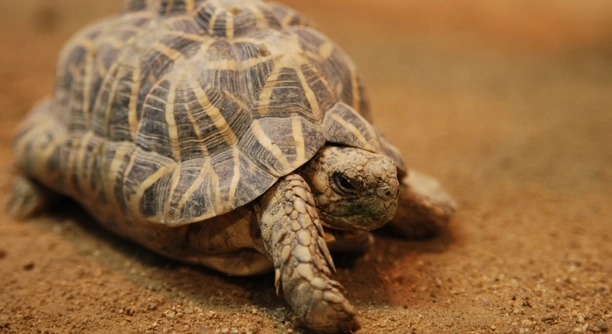
Monitoring humidity levels is essential for maintaining the health and well-being of your Indian star tortoise. A stable environment allows them to thrive and stay active. This guide will explain how to properly monitor humidity levels for them.
Humidity levels for Indian star tortoises should ideally be between 50-60%. This range supports their natural habitat needs, ensuring proper hydration, digestion, and overall health. Too high or too low of humidity can cause stress and health problems.
Understanding how to manage humidity levels can make a significant difference in your tortoise’s environment and well-being. The following steps will help guide you through the process.
Why Humidity Matters for Indian Star Tortoises
Humidity plays a critical role in the health of your Indian star tortoise. Too little moisture in the air can lead to dehydration, shedding problems, and respiratory issues. On the other hand, too much humidity can cause fungal infections and stress. In their natural environment, these tortoises live in a warm, semi-arid climate, so maintaining the right humidity level in captivity mimics their natural habitat. This balance is key to ensuring they are comfortable, hydrated, and active.
A proper humidity level supports digestion, skin shedding, and hydration. It also helps your tortoise maintain a healthy immune system and avoid respiratory conditions. Without the right balance, your tortoise could suffer from conditions like shell rot, lethargy, and digestive problems. This is why monitoring and adjusting humidity should be a regular part of your tortoise care routine.
To ensure optimal health for your tortoise, a consistent and proper humidity level is essential. Humidity meters, adjusting water sources, and creating humidity spots within their habitat can help achieve the right balance.
How to Measure Humidity
Measuring the humidity in your tortoise’s enclosure is straightforward. A hygrometer or digital humidity gauge is an essential tool for this.
Place the hygrometer in a corner of the enclosure, away from direct water sources, to get an accurate reading. Keep in mind that humidity levels fluctuate throughout the day, so taking regular readings will help you make adjustments as needed.
Adjusting Humidity Levels
To adjust humidity, you can use a variety of methods, including misting the enclosure or adding a water source.
Regularly misting the habitat with a fine spray bottle helps to raise humidity quickly. Ensure the mist is light to prevent water from pooling. Another option is placing a shallow water dish in the enclosure. As the water evaporates, it naturally increases the humidity. Keep the water dish clean to avoid bacteria growth.
You can also use a humidifier or a damp towel placed near the enclosure to maintain a consistent humidity level throughout the day. Make sure the towel doesn’t soak the bedding or substrate, which can lead to other issues. Regular checks will allow you to keep the humidity in the ideal range.
Monitoring the Substrate
The type of substrate you use can impact humidity. Substrates that retain moisture, like coconut fiber or sphagnum moss, are great options.
These materials help maintain moisture levels longer, preventing the humidity from dropping too quickly. When you use these types of substrates, it’s important to monitor them for mold growth, which can occur in high humidity. Keep the substrate moist, but not soggy, as excessive water can lead to mold. Additionally, you should spot clean the substrate regularly to prevent any build-up of waste or bacteria.
Adding a layer of dry substrate on top can help balance the moisture levels, allowing the bottom layer to retain moisture without staying overly wet.
Using a Humidifier
A humidifier is an effective way to maintain consistent humidity levels.
It provides a steady stream of moisture into the air, ensuring the enclosure remains within the ideal humidity range. Choose a humidifier with adjustable settings to control the level of moisture. Place it outside the enclosure but close enough to impact the humidity level inside.
Proper Ventilation
Proper ventilation is key when managing humidity. Without airflow, excess moisture can cause mold or other problems.
Make sure the enclosure has ventilation holes or an adjustable lid. Ventilation helps regulate temperature and humidity, preventing a buildup of excess moisture. It also ensures your tortoise gets enough fresh air for a healthy environment.
FAQ
How can I tell if my tortoise’s enclosure is too humid?
If the humidity is too high, you may notice condensation on the walls of the enclosure or water pooling on the substrate. Your tortoise might also become lethargic or develop respiratory issues, such as wheezing or labored breathing. Check for signs of mold, which can indicate excess moisture. To avoid these problems, keep the humidity within the recommended range of 50-60%.
What is the best humidity level for Indian star tortoises?
The ideal humidity level for Indian star tortoises is between 50% and 60%. This range mimics their natural environment and supports their health. Too little humidity can cause dehydration, while too much can lead to respiratory problems or fungal infections. Keeping the humidity in this range is crucial for your tortoise’s well-being.
Can I use a heat lamp to control humidity levels?
A heat lamp can indirectly affect humidity by warming the air, but it’s not a reliable tool for controlling moisture levels. Instead, use a hygrometer to monitor humidity and adjust with methods like misting or using a humidifier. A heat lamp is essential for temperature control, but you’ll still need to manage humidity separately.
How often should I mist the enclosure?
Misting once or twice a day is generally enough to keep humidity at the proper level. If you notice that the substrate is drying out quickly, you may need to mist more frequently. It’s important not to overdo it, as too much moisture can cause problems like mold or excessive humidity.
What’s the best substrate for maintaining humidity?
Coconut fiber and sphagnum moss are both excellent choices for maintaining humidity in the enclosure. These materials retain moisture well, helping to keep the air humid for longer periods. However, you’ll need to check the substrate regularly to ensure it doesn’t become too wet or moldy.
Can I use a shallow water dish to raise humidity?
Yes, a shallow water dish can help raise humidity in the enclosure. As the water evaporates, it adds moisture to the air. Be sure to clean the dish regularly to prevent bacteria or mold buildup. It’s important to keep the water level shallow to avoid drowning hazards for your tortoise.
Is it okay to have both high humidity and high temperature in the enclosure?
High temperature and humidity together can stress your tortoise. While Indian star tortoises enjoy warm temperatures, excessive heat combined with high humidity can cause respiratory issues or dehydration. It’s important to maintain a balance of temperature and humidity, making sure both are in the recommended ranges.
How do I prevent mold in my tortoise’s enclosure?
To prevent mold, maintain proper ventilation and avoid over-wetting the substrate. Ensure that the enclosure isn’t too humid by regularly checking the humidity levels with a hygrometer. If you see mold forming, clean the affected areas immediately and replace the substrate if necessary.
What is the best way to measure humidity?
The best way to measure humidity is with a hygrometer, a device specifically designed for tracking moisture levels in the air. You can place it in a corner of the enclosure to get an accurate reading. Digital hygrometers are a good option as they provide precise measurements and are easy to read.
Can I use a sponge or towel to help with humidity?
Yes, a damp sponge or towel can be placed in the enclosure to help raise humidity levels. It’s a simple way to add moisture without over-wetting the substrate. Just be sure that the sponge or towel isn’t too wet, as this could create an overly humid environment that’s harmful to your tortoise.
Should I provide a humid hide for my tortoise?
Yes, providing a humid hide is a good idea. This can help your tortoise regulate its humidity needs by allowing it to choose a higher humidity spot when needed. You can create a humid hide by lining a hide with damp sphagnum moss or another moisture-retaining material, ensuring it stays slightly moist without becoming too wet.
What happens if I don’t maintain the right humidity levels?
If humidity levels are too low, your tortoise could experience dehydration, difficulty shedding, and possible respiratory problems. If the humidity is too high, you risk fungal infections, mold, or respiratory stress. Maintaining the correct humidity levels is vital for your tortoise’s health, comfort, and overall well-being.
Can I use a reptile fogger to maintain humidity?
Yes, a reptile fogger can help maintain humidity levels. Foggers release a fine mist into the air, providing consistent moisture. They are especially useful if you have a larger enclosure or want to maintain a more stable humidity level. However, foggers alone may not be enough to regulate both humidity and temperature, so make sure to monitor the conditions closely.
How do I prevent my tortoise from becoming dehydrated?
To prevent dehydration, make sure your tortoise has access to fresh water at all times. You can also mist the enclosure regularly to raise humidity and encourage hydration. Dehydration can cause problems like dry skin, poor shedding, and lethargy, so it’s crucial to maintain the right humidity and hydration levels.
Final Thoughts
Maintaining proper humidity levels for your Indian star tortoise is essential for its overall health. It helps to prevent dehydration, promotes healthy shedding, and supports respiratory function. By regularly checking the humidity levels in your tortoise’s enclosure, you can ensure that they stay within the ideal range of 50-60%. Using tools like a hygrometer and a humidifier can make this process much easier, offering consistent results and minimizing the risk of health issues caused by incorrect humidity.
Humidity management also involves creating an environment where your tortoise can thrive. The substrate you choose plays an important role in maintaining moisture. Materials like coconut fiber or sphagnum moss help retain humidity, making it easier to keep the enclosure at the right level. You can also add a shallow water dish or use a humidifier to support consistent moisture. However, it’s important to avoid over-wetting the substrate, as this can lead to mold or other harmful conditions. Proper ventilation is also crucial to prevent excess moisture buildup, which could harm your tortoise.
By following these simple steps, you can create a comfortable and safe home for your Indian star tortoise. Regular monitoring of humidity and temperature, along with proper care and maintenance of the enclosure, ensures your tortoise remains healthy and happy. With the right balance of humidity, your tortoise will have the best chance at thriving, enjoying a long and active life. It’s important to always stay informed and make adjustments as needed to meet your tortoise’s specific needs.

Hello,
If you enjoy the content that we create, please consider saying a "Thank You!" by leaving a tip.
Every little bit helps us continue crafting quality advice that supports the health, happiness, and well-being of pets around the world, for pets of all shapes, sizes, and species.
We really appreciate the kindness and support that you show us!