
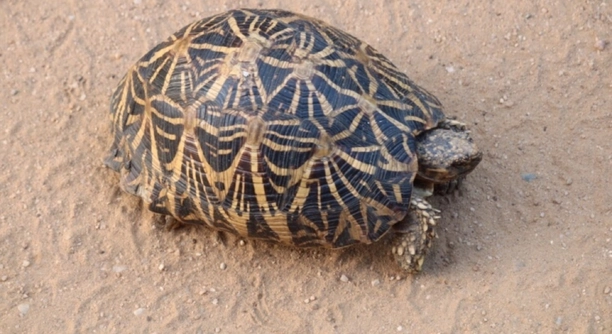
Caring for Indian Star Tortoise hatchlings can be a rewarding experience, but it’s important to avoid common mistakes that could harm their health. Proper care is essential to their growth and well-being in the long run.
Many mistakes can be made when caring for hatchlings, including improper habitat, inadequate nutrition, and incorrect temperature settings. These factors can cause stress and health problems, making it crucial to understand the proper care needs of these tortoises.
Proper care will help your hatchlings thrive. Avoiding mistakes can ensure they grow into healthy, strong tortoises.
Mistake 1: Incorrect Temperature and Humidity Levels
Maintaining the right temperature and humidity is crucial for the growth and health of Indian Star Tortoise hatchlings. A temperature between 85-90°F (29-32°C) during the day and 70-75°F (21-24°C) at night is ideal. Humidity should be maintained at around 50-70%. Too high or too low temperatures can lead to respiratory issues or dehydration, which can cause stress and slow growth. Proper lighting and UVB exposure are equally important for their bone development and overall health.
Poor temperature regulation may result in weak immune systems, making hatchlings more vulnerable to diseases. Make sure the habitat has both a basking spot and a cooler area so they can regulate their body temperature naturally. Without a heat source, the hatchlings may struggle to digest food, further leading to health complications. It’s crucial to avoid fluctuating temperatures and maintain consistency.
An accurate thermometer and hygrometer should be used to monitor conditions. Regular checks will help prevent mistakes before they affect your tortoise’s health.
Mistake 2: Improper Diet
A balanced diet is vital for the healthy development of Indian Star Tortoise hatchlings. Feeding them a variety of leafy greens, such as dandelion greens and collard greens, will provide the necessary nutrients. Avoid feeding them high-protein foods like meat, as it can harm their kidneys over time. Overfeeding is another common issue, leading to obesity and other health problems. It’s essential to feed hatchlings in appropriate portions and avoid excess food.
Offering calcium and vitamin supplements is crucial for strong shell and bone development. The diet should be fiber-rich to promote digestion and prevent constipation. Providing fresh water is equally important, as dehydration can affect their organs and shell health. Keep food items fresh and remove any uneaten portions to avoid contamination. By offering a balanced diet, you’re supporting the hatchlings’ growth and overall well-being.
Mistake 3: Inadequate Habitat Size
The habitat size matters more than you might think. Hatchlings need enough space to explore and move around to stay active and healthy. A cramped enclosure can lead to stress, which can affect their growth and development.
A proper habitat should be spacious enough to provide a basking area, a cool hideout, and room for the tortoise to roam. A small tank can cause the tortoise to feel trapped, limiting natural behaviors and leading to a sedentary lifestyle. Over time, this could contribute to obesity, shell deformities, and even emotional stress. A larger enclosure allows the hatchlings to grow without constraints, promoting physical health and better behavior.
Choosing the right enclosure size is essential. Opt for a minimum of 40-50 gallons for a single hatchling, and increase the size as they grow. The more space they have, the more active and healthy they will remain. A bigger habitat also allows for proper substrate and environmental enrichment.
Mistake 4: Lack of Proper Lighting
Proper lighting is critical for the health of Indian Star Tortoise hatchlings. UVB light is necessary for calcium absorption and proper shell development. Without it, the tortoise can suffer from metabolic bone disease and other serious health issues.
Set up a UVB light in the enclosure to mimic sunlight. This will help your hatchlings synthesize vitamin D3, which is essential for absorbing calcium and promoting bone health. Without sufficient UVB exposure, your hatchlings may develop soft or deformed shells. Keep the light on for around 12 hours a day, ensuring it is the right distance from the tortoises to provide optimal exposure.
Keep in mind that UVB bulbs lose effectiveness over time. They should be replaced every 6-12 months to ensure your hatchlings receive adequate exposure. This is an easy mistake to avoid with regular maintenance of your lighting system.
Mistake 5: Overcrowding the Enclosure
Overcrowding may seem harmless, but it leads to competition for food, space, and heat. This stress can negatively impact the growth and behavior of your hatchlings.
Even if the hatchlings are small, each one needs space to thrive. Too many tortoises in a single habitat can also increase the risk of fighting and injury. Proper spacing helps prevent these issues and ensures that each hatchling gets enough resources.
By giving each tortoise its own space, you’ll create a more peaceful and healthier environment. It’s better to provide a larger, separate enclosure as needed rather than cramming multiple hatchlings into one.
Mistake 6: Incorrect Substrate Choice
Choosing the right substrate is important for your hatchling’s health. A wrong substrate can affect digestion, cause stress, or even lead to injury.
Use a substrate that mimics natural conditions, like organic soil or coconut coir. These materials provide a soft, safe surface that allows your tortoise to burrow, which is important for its natural behavior. Avoid using substrates like sand or gravel, which can be too harsh and cause injury or digestive issues if ingested.
The correct substrate also helps maintain proper humidity levels in the enclosure. It is essential to replace the substrate regularly to avoid bacterial buildup, ensuring a healthy environment for your tortoises.
Mistake 7: Inconsistent Feeding Schedule
A regular feeding schedule helps ensure your hatchlings stay healthy. Offering food at the same time each day establishes a routine that the tortoises can depend on.
Feeding them too frequently or erratically can lead to overeating, causing digestive problems. It’s important to feed hatchlings every other day, providing small portions of fresh food each time.
Overfeeding can result in obesity, while irregular feeding may disrupt their metabolism. Stick to a consistent feeding schedule to keep their health on track and avoid unnecessary health issues.
FAQ
What should I feed my Indian Star Tortoise hatchlings?
Indian Star Tortoise hatchlings require a varied diet of leafy greens, such as dandelion greens, collard greens, and mustard greens. You can also offer small amounts of flowers like hibiscus or clover. Avoid feeding them high-protein foods, including meat, as this can cause kidney problems in the long run. Vegetables like carrots and squash can be fed occasionally, but they should not be a staple in their diet. Always ensure that the food is fresh and free of pesticides.
How often should I feed my Indian Star Tortoise hatchlings?
Hatchlings should be fed every other day, with small portions. Overfeeding can lead to obesity, which can cause long-term health problems. Offer enough food that your hatchling can finish in a day or two to prevent leftovers from spoiling. If your tortoise consistently leaves food behind, reduce the portion size for the next feeding.
Can I feed my hatchling fruits?
Fruits should be fed sparingly. While fruits are generally safe, they contain high levels of sugar, which is not ideal for hatchlings. Small amounts of fruits like apple slices or berries can be offered occasionally as a treat. However, fruits should not make up more than 5-10% of their diet.
What type of lighting do Indian Star Tortoise hatchlings need?
Hatchlings require UVB lighting to help them process calcium and maintain healthy shells. You can use a UVB bulb designed for reptiles, placed about 10-12 inches above the habitat. Ensure the light is on for 12 hours a day to mimic natural sunlight. Without proper UVB light, hatchlings can develop metabolic bone disease.
How do I maintain the correct humidity in the enclosure?
Humidity should be maintained between 50% and 70%. Use a hygrometer to monitor levels. A simple way to maintain humidity is by misting the substrate lightly once a day or using a humidifier. If the humidity is too low, you can place a water dish in the enclosure, but avoid making the substrate too wet, as excess moisture can lead to mold growth.
Do I need to provide a basking spot?
Yes, a basking spot is essential. Indian Star Tortoises need a warm area to bask, which helps regulate their body temperature and aids in digestion. The basking spot should be between 85-90°F (29-32°C). You can use a heat lamp to create this spot, but ensure there is a cooler area in the enclosure as well for the hatchlings to retreat to if they need to cool off.
What size enclosure do I need for my hatchling?
A single hatchling needs at least a 40-gallon tank or enclosure. As they grow, the space should be increased to accommodate their size. A larger enclosure helps provide more opportunities for exercise, reducing the risk of obesity and stress. Always ensure the enclosure has enough space for a basking area, a cooler hideout, and a water dish.
Can I house more than one hatchling together?
It is best to house only one hatchling per enclosure, especially in the early stages. Overcrowding can lead to stress, fighting, and competition for resources like food and space. If you must house more than one, ensure the enclosure is large enough to provide ample space for each tortoise to thrive.
What temperature should I keep the enclosure?
Daytime temperatures should range between 85-90°F (29-32°C), and nighttime temperatures should drop to around 70-75°F (21-24°C). These temperature ranges help mimic natural conditions and support healthy digestion and overall well-being. Use a thermometer to monitor the temperature regularly, adjusting the heat source as needed to maintain these conditions.
How can I tell if my Indian Star Tortoise is healthy?
A healthy Indian Star Tortoise will have a firm, smooth shell with no soft spots or cracks. It should be active, alert, and moving around regularly. If your hatchling isn’t eating, is lethargic, or has an abnormal shell appearance, these may be signs of illness. Make sure to regularly monitor for signs of dehydration, like sunken eyes or a dry mouth, as well.
Is it necessary to provide a hiding spot?
Yes, hiding spots are important for your tortoise’s well-being. They provide a sense of security and allow hatchlings to retreat when feeling stressed. A small cave or log can serve as a hideout in the enclosure. Ensure there are no sharp edges that could cause injury.
Do I need to clean the enclosure regularly?
Yes, it is essential to clean the enclosure frequently. Remove uneaten food daily to prevent mold or bacterial growth. You should also clean the water dish and replace the substrate every few weeks to keep the habitat hygienic. This helps prevent health problems such as infections or parasites.
How long does it take for an Indian Star Tortoise to reach maturity?
Indian Star Tortoises typically reach maturity around 5 to 7 years of age, though some may take longer. Their growth rate can be influenced by factors like diet, habitat conditions, and overall care. During this time, it’s essential to continue providing appropriate care to ensure they grow into healthy adults.
Final Thoughts
Caring for Indian Star Tortoise hatchlings requires attention to detail, patience, and understanding of their specific needs. Providing the right environment, diet, and care from the beginning sets the foundation for their long-term health and well-being. Small mistakes in their care, such as improper temperature, humidity, or feeding habits, can lead to issues that may affect their growth and development. It is important to pay attention to every aspect of their care, ensuring they have enough space, proper lighting, and a balanced diet. Regularly checking their health, behavior, and habitat conditions can help catch potential problems before they become serious.
Hatchlings may seem small and fragile, but with the right setup, they can grow into healthy and resilient tortoises. Overcrowding, feeding too often, or neglecting basic needs can all lead to stress and health problems. It is crucial to remember that each tortoise is an individual with unique needs. By learning how to meet these needs, you’ll create a stable environment where your hatchlings can thrive. Providing a routine for feeding, temperature regulation, and proper UVB lighting will help mimic their natural habitat, promoting healthy growth and development.
Long-term care for Indian Star Tortoises involves continued learning and adjusting to their needs as they grow. Their habitat and diet will evolve with time, but the basic principles of proper care remain the same. With proper attention, these tortoises can live for decades, becoming a rewarding part of your life. By following these guidelines, you are not only providing a safe environment but also fostering the health and happiness of your hatchlings for years to come.

Hello,
If you enjoy the content that we create, please consider saying a "Thank You!" by leaving a tip.
Every little bit helps us continue crafting quality advice that supports the health, happiness, and well-being of pets around the world, for pets of all shapes, sizes, and species.
We really appreciate the kindness and support that you show us!