
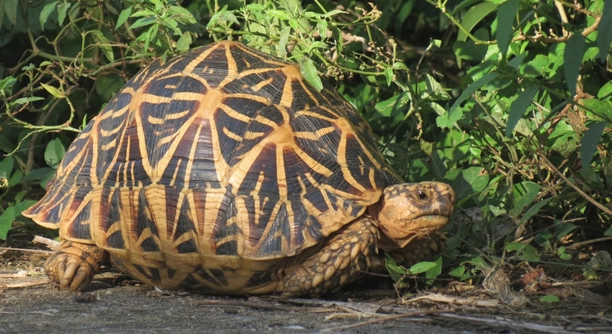
Are you looking for natural ways to help your Indian star tortoise live a longer, healthier life? Proper care, diet, and habitat conditions play a significant role in ensuring their longevity, making small adjustments essential for their overall well-being.
Providing a well-balanced diet, maintaining optimal humidity levels, and ensuring proper UVB exposure are key factors in increasing an Indian star tortoise’s lifespan. Additionally, minimizing stress, offering clean water, and creating a safe environment contribute to their long-term health and survival.
Making these changes can have a significant impact on your tortoise’s overall well-being. Understanding their needs will help you create the best conditions for a thriving and happy pet.
Provide a Balanced Diet
A well-balanced diet is essential for keeping your Indian star tortoise healthy. These tortoises thrive on a variety of leafy greens, vegetables, and occasional fruits. Calcium-rich foods like dandelion greens, hibiscus leaves, and cactus pads help maintain strong shells and bones. Avoid feeding them excessive protein, as it can lead to health issues. A fiber-rich diet with natural grazing opportunities supports digestion and overall well-being. Supplementing with calcium and vitamin D3 ensures proper shell development. Always provide fresh food and remove leftovers to prevent spoilage. Hydration is just as important, so ensure a shallow dish of clean water is available at all times.
Leafy greens like collard greens, mustard greens, and turnip greens should make up the majority of their diet. Vegetables such as squash and bell peppers add variety. Fruits should be given sparingly, as too much sugar can negatively affect their health.
A varied diet helps prevent nutritional deficiencies and promotes a longer, healthier life. By offering a mix of safe greens and vegetables, you can support their overall well-being while keeping their diet as close to their natural feeding habits as possible.
Maintain Proper Humidity and Temperature
Indian star tortoises require a specific humidity and temperature range to stay healthy. Maintaining a humidity level between 50-70% prevents dehydration and promotes proper shell growth.
Temperature regulation is equally important. A basking spot of around 90-95°F and an ambient temperature of 75-85°F create the right conditions for their metabolism. Using a high-quality UVB lamp mimics natural sunlight, ensuring they receive the necessary vitamin D3 for calcium absorption. Without proper temperature and humidity control, they may develop respiratory infections, shell deformities, or digestive issues. Regularly misting the enclosure, providing moist hides, and using a hygrometer to monitor humidity levels can help maintain a stable environment.
By keeping their habitat conditions consistent, you reduce stress and promote a healthier, more active tortoise. Proper humidity and temperature control contribute to a longer lifespan and prevent common health issues related to improper care.
Ensure Proper UVB Exposure
UVB lighting is essential for Indian star tortoises. It helps them process calcium, preventing metabolic bone disease. Without proper UVB exposure, they may develop weak shells and brittle bones. A high-quality UVB lamp should be on for 10-12 hours daily to mimic natural sunlight.
Position the UVB lamp at an appropriate distance, as too much or too little exposure can cause issues. Replace bulbs every six months since their effectiveness decreases over time. If possible, allow your tortoise to spend supervised time outdoors in natural sunlight. Outdoor exposure provides the best UVB source, but always ensure a safe, enclosed space free from predators. Proper UVB levels promote strong bones, healthy growth, and a more active tortoise.
Without enough UVB, a tortoise may become lethargic and prone to shell deformities. Supplementing their diet with calcium and vitamin D3 helps, but it cannot replace the importance of UVB lighting. Creating a setup that closely mimics their natural habitat ensures long-term health and a longer lifespan.
Reduce Stress and Provide a Safe Environment
A stress-free environment helps prevent health problems. Indian star tortoises are sensitive to loud noises, sudden changes, and overcrowded enclosures. A quiet, spacious habitat with proper hiding spots allows them to feel secure. Avoid excessive handling, as it can cause unnecessary stress.
Providing a safe enclosure with smooth, non-toxic materials reduces the risk of injury. Sharp objects, unstable surfaces, or rough substrates can harm their delicate shells and limbs. A well-maintained enclosure with clean water, a comfortable basking area, and a soft substrate keeps them active and stress-free. Regular cleaning prevents bacteria buildup and promotes a healthier space.
Limiting exposure to stressful situations, such as frequent relocation or excessive interactions, helps keep your tortoise comfortable. By maintaining a secure, stable environment, you support their physical and mental well-being, leading to a longer and healthier life.
Keep the Enclosure Clean
A clean enclosure prevents bacterial growth and health issues. Remove leftover food daily and replace soiled bedding regularly. Dirty environments can lead to respiratory infections, shell rot, and digestive problems. Fresh water should always be available, and food dishes must be washed frequently to avoid contamination.
Regular spot cleaning helps maintain hygiene. Deep clean the enclosure weekly by replacing substrate, disinfecting surfaces, and checking for mold or pests. Proper ventilation reduces humidity buildup and prevents bacterial growth. Keeping the habitat clean ensures a healthier and safer space, reducing the risk of infections and improving overall well-being.
Offer Fresh Drinking Water
Fresh, clean water should always be available. Dehydration can cause kidney issues and digestive problems. A shallow dish allows easy access, but it should be cleaned daily to prevent bacterial growth. Misting the enclosure occasionally helps maintain hydration, especially in drier environments.
Encourage Natural Behaviors
Providing a spacious enclosure allows natural movement and exploration. Logs, rocks, and hiding spots create an enriching environment, keeping your tortoise active and engaged.
FAQ
How often should I feed my Indian star tortoise?
Indian star tortoises should be fed daily, but younger tortoises may require more food, while adults can be fed every other day. Their diet should consist mainly of leafy greens, vegetables, and occasional fruits. Keep their portions appropriate to avoid obesity. Offer a variety of foods to ensure they receive a balanced diet.
What is the ideal temperature for an Indian star tortoise?
The ideal temperature for an Indian star tortoise is between 75-85°F in the ambient part of the enclosure, with a basking area reaching 90-95°F. These temperatures promote healthy digestion and activity. At night, temperatures can drop to around 70°F.
Do Indian star tortoises need UVB light?
Yes, UVB light is essential for Indian star tortoises to absorb calcium and maintain strong bones. A UVB light should be provided for 10-12 hours a day. If possible, giving your tortoise time outside in natural sunlight is even better. Replace the UVB bulb every six months.
How can I tell if my tortoise is sick?
Signs of illness include lethargy, loss of appetite, shell abnormalities, and respiratory issues like wheezing or nasal discharge. If your tortoise shows any of these symptoms, it’s important to consult a vet for a proper diagnosis and treatment.
What kind of substrate is best for an Indian star tortoise?
A soft, natural substrate like coconut coir or cypress mulch is ideal for Indian star tortoises. Avoid using sand, as it can cause impaction if ingested. The substrate should be dry with areas for digging, which promotes natural behaviors.
Can Indian star tortoises live together?
Indian star tortoises can live together, but care should be taken to avoid overcrowding. Males may become territorial, and there could be conflicts. If keeping more than one tortoise, ensure the enclosure is spacious enough to provide separate areas for each.
How much space does an Indian star tortoise need?
An adult Indian star tortoise needs at least a 4×8-foot enclosure to move around comfortably. Larger spaces allow them to exhibit natural behaviors like foraging and burrowing. Providing extra room helps maintain a healthy and active tortoise.
What is the lifespan of an Indian star tortoise?
Indian star tortoises can live for up to 50 years or more if properly cared for. Providing a healthy diet, optimal habitat conditions, and minimal stress contributes to their longevity. Regular checkups and proper maintenance of their environment will help ensure they thrive.
Can I keep my Indian star tortoise outside?
Indian star tortoises can be kept outside in warm climates, provided the enclosure is secure and predator-free. Make sure the temperature doesn’t drop too low, as they are sensitive to cold. A shaded area is also important for them to avoid overheating.
How often should I clean the tortoise’s enclosure?
Spot cleaning should be done daily by removing waste and uneaten food. The entire enclosure should be cleaned weekly by replacing substrate, disinfecting surfaces, and checking for mold or pests. A clean environment helps prevent disease and ensures a healthier tortoise.
What should I do if my tortoise isn’t eating?
If your tortoise isn’t eating, it may be stressed, sick, or not feeling well. Check if there’s a problem with temperature, lighting, or humidity levels in the enclosure. If the problem persists, it’s best to consult a vet for advice.
Final Thoughts
Caring for an Indian star tortoise requires attention to detail and commitment to providing a suitable environment. Proper lighting, temperature control, and a balanced diet are crucial factors that affect their health and longevity. By setting up a proper enclosure with enough space, UVB lighting, and a clean environment, you can ensure your tortoise thrives for years. Regular maintenance and monitoring are necessary to keep their habitat free from harmful bacteria and stressors. Creating a safe and comfortable space for your tortoise is key to a long, healthy life.
While Indian star tortoises are relatively low-maintenance, they do require a bit of effort to meet their needs. Offering a variety of fresh greens and vegetables, along with occasional fruits, keeps them nourished and satisfied. It’s important to monitor their water intake and cleanliness to prevent dehydration and other health issues. They need to be kept in a calm, stress-free environment to avoid health complications. If your tortoise shows signs of illness, seeking veterinary care promptly can prevent further issues and improve the chance of recovery. Understanding their specific needs will help you become a better tortoise caretaker.
In the end, the life span and health of your Indian star tortoise largely depend on how well you care for them. By following simple guidelines and making adjustments as needed, you can provide a thriving home for your tortoise. Maintaining proper conditions and offering consistent care ensures they lead a healthy and fulfilling life. Over time, this commitment will pay off with a well-adjusted, happy tortoise that enjoys its space and remains a rewarding companion for many years.

Hello,
If you enjoy the content that we create, please consider saying a "Thank You!" by leaving a tip.
Every little bit helps us continue crafting quality advice that supports the health, happiness, and well-being of pets around the world, for pets of all shapes, sizes, and species.
We really appreciate the kindness and support that you show us!