
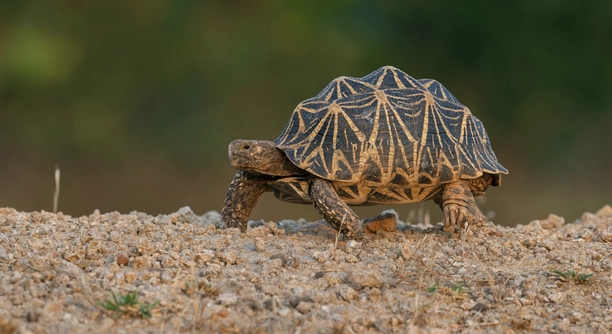
Overfeeding can cause serious health issues for Indian Star Tortoises. It’s important to recognize the signs early to prevent long-term harm. Understanding the balance in their diet will ensure their well-being and happiness.
Overfeeding in Indian Star Tortoises can lead to weight gain, shell deformities, and organ stress. These signs include lethargy, abnormal growth patterns, and difficulty moving. Proper feeding and portion control are essential for maintaining their health.
Taking steps to recognize overfeeding signs early can help you keep your tortoise in good shape for years to come. Keep reading to learn more about proper care.
Recognizing Early Signs of Overfeeding
Overfeeding an Indian Star Tortoise may seem harmless, but it can lead to various health issues. Tortoises rely on a balanced diet, and giving them too much food can cause their shell to become misshapen or lead to obesity. Overfeeding can also put strain on their organs, resulting in long-term health problems. In many cases, the tortoise will eat all the food provided, but that doesn’t mean it’s the right amount. A tortoise’s body will often show clear signs when it has been overfed. These signs are easy to spot if you know what to look for. Regular monitoring of their weight and behavior can help in catching the issue early.
If you notice your tortoise becoming sluggish or having trouble moving, it could be an indication of excess weight. In some cases, they may even start avoiding movement altogether. These signs should not be ignored.
Maintaining a healthy weight is essential to prevent shell deformities or issues with their organs. A proper diet tailored to their specific needs will allow them to stay active, healthy, and happy. Overfeeding might cause immediate discomfort for your tortoise, but the long-term effects can be much worse. Be mindful of the portion sizes, and always provide fresh water alongside their food. Too much food combined with insufficient exercise can lead to complications that may shorten their lifespan.
Feeding Practices to Prevent Overfeeding
A well-balanced diet is key in keeping your Indian Star Tortoise healthy. Ensuring the right food portions helps maintain its proper growth and weight.
Overfeeding is commonly caused by offering large amounts of food too frequently. Some tortoises may appear hungry all the time, but this can often be attributed to the type of food being given or the feeding schedule. Fresh greens, like dandelion leaves and clover, should be offered in moderate portions. Foods high in calcium, fiber, and low in fat are ideal. A varied diet that mimics what they would find in the wild is also crucial for their overall health. Avoid offering fruit too often, as it contains sugar that can quickly lead to weight gain. It’s important to note that the right portion size will depend on the age and size of the tortoise. Young tortoises need more food to grow, while adults need less to maintain a healthy weight. If you are unsure about the portion sizes, consult a vet who specializes in reptiles to ensure you’re feeding them the correct amount.
Observing Behavior Changes
Tortoises that are overfed often show changes in behavior. You may notice your tortoise becoming more lethargic, or even refusing to move around as usual. This can be a sign of excessive weight.
Lack of movement is one of the most noticeable signs of overfeeding. When a tortoise is carrying excess weight, it becomes harder for them to walk or explore their surroundings. This can lead to them spending more time hiding in their shell or staying in one spot. Additionally, overfed tortoises may start eating less, as they feel sluggish and uncomfortable from the extra weight. If you observe these behaviors, it’s important to review their diet and make adjustments. Ensuring a proper diet will help prevent these issues and maintain their natural behavior.
Sometimes, the issue of overfeeding isn’t as obvious. If your tortoise appears active but is still showing signs of weight gain, their feeding habits may need a closer inspection. A balanced feeding routine is essential for maintaining a healthy tortoise, both physically and behaviorally. By observing changes in their movements and energy levels, you can identify overfeeding and make necessary changes early.
Adjusting the Feeding Schedule
Feeding your tortoise too frequently can lead to overeating, even if the portions seem small. It’s important to establish a proper feeding schedule.
Tortoises don’t need to be fed every day, especially adults. Providing food every other day can help regulate their intake and prevent overfeeding. You might want to adjust this schedule depending on their age, size, and activity level. For younger tortoises, feeding every day might be necessary to support their growth, while adults can do well with a less frequent feeding schedule. Overfeeding doesn’t just happen because of portion sizes; how often you feed them plays a large role. By monitoring their feeding habits and making sure you’re sticking to a proper schedule, you’ll help prevent obesity and other related health problems. Regular feeding times also establish a healthy routine for your tortoise, ensuring their digestive system works properly.
Weight Monitoring
Regularly checking your tortoise’s weight is an essential way to prevent overfeeding. Keeping track of their weight can help you spot any unhealthy gains early on.
If you notice a sudden increase in weight, it might be time to reassess their diet and feeding schedule. Overweight tortoises can face serious health problems like shell deformities and internal organ strain.
Shell Deformities
Shell deformities often result from overfeeding and an imbalance in nutrition. When a tortoise gains too much weight, its shell may start to look misshapen, with soft or puffy spots.
The shell is one of the most important indicators of your tortoise’s health. Overweight tortoises may experience difficulty moving, leading to pressure on their shells. This can cause softening or abnormal growth patterns. In some cases, the shape of the shell may change, leading to a weakened structure. Providing the proper diet, with balanced calcium intake and appropriate feeding portions, can help prevent shell deformities and ensure your tortoise grows strong and healthy. Regular observation of their shell condition should be a priority in your care routine.
Proper Portion Size
Portion control is key to preventing overfeeding. Offering the right amount of food will help maintain a balanced diet and healthy weight.
Too much food can lead to weight gain and other health issues. Proper portion size depends on the size and age of your tortoise. It’s important to be aware of their specific needs.
FAQ
What is the ideal diet for an Indian Star Tortoise?
An Indian Star Tortoise thrives on a diet that mimics what it would naturally find in the wild. This includes leafy greens like dandelion leaves, clover, and other weeds. You can also offer small amounts of flowers, grasses, and vegetables like squash or cactus. Avoid feeding them fruit too frequently as it contains too much sugar, which can lead to obesity. It’s important to provide high-fiber, low-fat foods, and ensure they receive adequate calcium for healthy shell development. A proper diet helps maintain their weight, prevent overfeeding, and support their overall well-being.
How do I know if I’m overfeeding my tortoise?
Overfeeding signs include weight gain, shell deformities, and a noticeable lack of movement. If your tortoise is gaining weight rapidly or becoming lethargic, these could be clear indicators that they are getting too much food. A healthy tortoise should be active and alert. If their behavior changes, like hiding more or avoiding exercise, it’s a signal that their diet might need to be adjusted. Regularly monitoring their weight and watching their activity levels will help you gauge whether you’re overfeeding. Consult a vet if you notice sudden weight gain or other concerning symptoms.
How often should I feed my Indian Star Tortoise?
Indian Star Tortoises do not need to be fed every day, especially once they reach adulthood. A feeding schedule of every other day or even two to three times a week is sufficient for adult tortoises. Younger tortoises, however, may require daily feedings to support their growth. Overfeeding can lead to obesity, so be mindful of how much food you offer. Adjust the frequency based on the tortoise’s age, size, and activity level. Providing consistent feeding schedules is also crucial for your tortoise’s digestive health.
Can overfeeding cause shell deformities?
Yes, overfeeding can lead to shell deformities. When a tortoise gains excessive weight, it can place unnecessary pressure on the shell, leading to soft spots or an irregular shape. The extra weight can also put stress on the tortoise’s organs, causing long-term health issues. A balanced diet with the right portion sizes and regular weight monitoring will help ensure that your tortoise’s shell remains healthy and strong. Proper calcium intake is also necessary for shell growth, as a calcium deficiency can also lead to deformities, especially if overfeeding masks other nutritional deficiencies.
How much should I feed my tortoise each day?
The amount of food your tortoise needs depends on its size and age. A general rule is to offer a portion that is roughly the size of their shell. For adults, feeding should be less frequent, and portions should be adjusted to ensure the tortoise maintains a healthy weight. A smaller tortoise may require smaller portions, but the key is to provide a variety of high-fiber, low-fat foods. For younger tortoises, you may need to feed daily, but ensure they don’t eat too much at one time. Avoid offering an overwhelming amount of food at once. Keeping portions moderate ensures a healthy diet.
Is fruit bad for Indian Star Tortoises?
Fruit is not harmful to Indian Star Tortoises in small amounts, but it should not be a regular part of their diet. Fruits contain high levels of sugar, which can lead to obesity, digestive issues, and other health problems if fed too often. Offering fruit once in a while as a treat is fine, but the majority of their diet should consist of leafy greens, grasses, and other plant-based foods. Too much sugar in fruit can also cause a calcium imbalance, which may impact their overall health. Stick to offering fruits sparingly to maintain a balanced diet.
Can I feed my tortoise only vegetables?
While vegetables are an important part of an Indian Star Tortoise’s diet, they should not be the only food. A well-rounded diet includes a variety of greens, flowers, and grasses to ensure they get the necessary nutrients. Certain vegetables, such as squash or cactus, are good options but should be offered in moderation. Offering just vegetables can lead to an imbalance in nutrients, especially in calcium and fiber. A varied diet provides the necessary balance for growth, shell development, and overall health.
How can I prevent my tortoise from becoming overweight?
Preventing your tortoise from becoming overweight requires a balanced feeding schedule and portion control. Limit high-calcium foods and avoid overfeeding fruits. Ensure that your tortoise gets enough exercise by providing space to move around and explore. A proper diet consisting mostly of leafy greens and grasses will help maintain a healthy weight. Monitoring your tortoise’s weight regularly and adjusting its food intake based on its growth stage is also essential. Proper care and a consistent routine are the best ways to avoid overfeeding and the related health issues.
Is it necessary to offer my tortoise supplements?
Supplements are important for tortoises, particularly when it comes to calcium. Calcium helps support healthy shell growth and prevents metabolic bone disease. Offering calcium supplements, especially for young tortoises or those with poor shell development, is beneficial. However, supplements should not replace a varied and balanced diet. You can also offer foods rich in calcium, like calcium-rich greens and flowers. Be careful with over-supplementing, as excess calcium can also cause problems. Consulting with a vet can help you determine if your tortoise needs any additional supplements.
Final Thoughts
Overfeeding an Indian Star Tortoise can lead to several health problems, many of which can be avoided with proper care. It’s essential to provide a balanced diet, offer the right portions, and adjust the feeding schedule based on their age and activity level. Regularly monitoring their weight and behavior can help identify early signs of overfeeding, ensuring you can make adjustments before any serious issues arise. A healthy tortoise is an active one, and maintaining a proper feeding routine will keep them happy and healthy for years to come.
The key to preventing overfeeding is understanding your tortoise’s nutritional needs. They should be fed mostly greens, grasses, and other plant matter that mimics their natural diet. While it can be tempting to offer fruits or other treats, it’s crucial to remember that these foods can lead to weight gain and health issues if given too frequently. Moderation is the key to maintaining a healthy balance in their diet. Providing a variety of food types helps meet their nutritional requirements without overloading them with one kind of food.
By following a proper feeding schedule and being mindful of portion sizes, you’ll be able to avoid the dangers of overfeeding. Adjusting food intake based on the tortoise’s size, activity level, and age will ensure they receive the nutrients they need without gaining excess weight. Overfeeding can be harmful, but with attention to diet, weight, and behavior, you can keep your tortoise healthy and prevent the long-term consequences of overfeeding.

Hello,
If you enjoy the content that we create, please consider saying a "Thank You!" by leaving a tip.
Every little bit helps us continue crafting quality advice that supports the health, happiness, and well-being of pets around the world, for pets of all shapes, sizes, and species.
We really appreciate the kindness and support that you show us!