
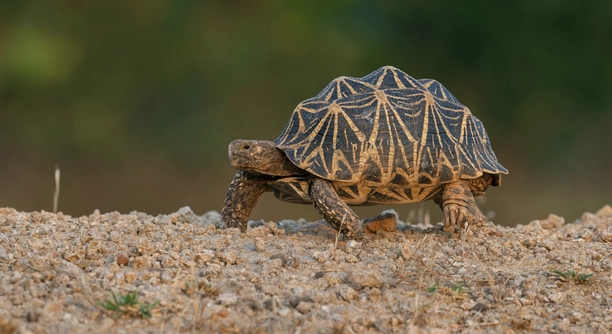
Indian Star Tortoises are unique and fascinating creatures, but taking care of them indoors requires attention to detail. It’s important to provide them with a suitable environment to thrive, even when they’re housed inside.
The best practices for keeping Indian Star Tortoises indoors involve creating a proper habitat, offering a balanced diet, ensuring appropriate humidity and temperature levels, and providing regular access to UVB light. These factors will help maintain their health and well-being.
With the right setup and routine, your tortoise can lead a happy and healthy life indoors. Keep reading to learn how to make their environment the best it can be.
Creating a Proper Habitat
To make sure your Indian Star Tortoise feels comfortable indoors, you’ll need to create a suitable habitat for it. This means setting up an enclosure that mimics its natural environment as much as possible. A large enough tank or terrarium is essential, ideally 4 feet by 2 feet for one tortoise. It should have plenty of space for the tortoise to move around, with a shallow water dish and bedding that retains moisture like coconut fiber or aspen shavings. These elements will keep the tortoise happy and reduce stress.
The temperature inside the habitat should be kept between 75°F to 85°F during the day, with a warm basking area reaching up to 95°F. This can be achieved with heat lamps or ceramic heat emitters. Make sure to provide a cool side for the tortoise to retreat to when it wants to lower its body temperature. At night, temperatures can drop to around 70°F, which is perfectly fine.
Humidity levels also play a key role in their health. Keeping the humidity between 50-60% can help with proper shell development and overall well-being. Regular misting of the substrate and the use of a humidity gauge will help maintain this balance.
Diet and Hydration
Indian Star Tortoises are herbivores and require a varied, high-fiber diet. Offer them leafy greens such as dandelion greens, collard greens, and kale. You can also include grasses, weeds, and flowers like hibiscus and dandelion. Make sure the food is free from pesticides.
To keep your tortoise well-hydrated, provide fresh water in a shallow dish. Change the water daily to prevent bacterial growth and ensure they always have access to it. You can also occasionally soak your tortoise in lukewarm water for 20 minutes to help with hydration.
Providing UVB Light
UVB light is crucial for the health of your tortoise. It helps them synthesize vitamin D3, which is essential for absorbing calcium and maintaining strong bones. Without UVB, your tortoise could develop metabolic bone disease, which can be fatal.
Use a high-quality UVB bulb specifically designed for reptiles, placed within 12-18 inches of the tortoise’s basking spot. Make sure the UVB bulb is replaced every 6-12 months, as the UV output diminishes over time. It’s also important to avoid placing the bulb too far away from the tortoise, as the UVB rays lose strength with distance.
In addition to the UVB light, natural sunlight is a great option if possible. If you can take your tortoise outside safely for short periods, it will benefit from natural UV exposure. However, it’s not always an option, and artificial UVB lighting will suffice for indoor care.
Maintaining Cleanliness
Regular cleaning of the tortoise’s habitat is necessary to prevent the buildup of bacteria and mold. You should clean the water dish and the substrate at least once a week, depending on how dirty they get. Removing uneaten food daily also helps.
Once a month, it’s a good idea to give the entire enclosure a thorough cleaning. Remove all bedding and disinfect the enclosure, making sure to rinse it well before replacing the bedding. A clean environment helps prevent health issues like fungal infections and respiratory problems.
For the tortoise itself, spot cleaning is important. If it becomes soiled, gently wipe the tortoise with a damp cloth or provide a shallow water bath to help remove any waste. This keeps your tortoise comfortable and prevents unnecessary stress.
Temperature Regulation
It’s important to keep the right temperature for your Indian Star Tortoise. Consistent warmth is necessary for their digestion and overall health. Place a heat lamp on one side of the enclosure to create a basking area.
The temperature on the warm side should reach about 95°F, while the cool side should be around 75°F. Use a thermometer to check that temperatures remain steady throughout the day. At night, the temperature can drop to about 70°F, but never let it go below that.
To maintain the proper temperature, avoid placing the enclosure in drafty areas or direct airflow from air conditioners or heaters.
Safe Handling
Handling should be kept to a minimum to avoid stressing your tortoise. When you do handle your tortoise, support its body properly to prevent injury. Gently pick it up by cupping both hands around its shell.
Tortoises can become easily stressed by excessive handling, leading to health issues. It’s best to let them roam in their habitat and interact with them through observation. If you must handle them, do so for short periods, no more than 10-15 minutes at a time. Avoid lifting them too often, as it can be overwhelming for them.
Providing Space to Roam
Indian Star Tortoises need plenty of space to move around. A larger enclosure allows them to exercise and maintain healthy muscles. The minimum size for one tortoise is 4 feet by 2 feet, but bigger is always better.
Providing space to roam also encourages natural behaviors like foraging and exploring. You can add rocks, hideouts, and plants for enrichment. This helps prevent boredom, which can lead to health problems and stress.
FAQ
How often should I feed my Indian Star Tortoise?
Indian Star Tortoises should be fed every day or every other day, depending on their age. Younger tortoises, under 3 years old, should be fed daily as they require more energy for growth. Adults can be fed every other day. Always offer a variety of leafy greens, grasses, and flowers.
Can I feed my tortoise fruit?
Fruits can be offered in small quantities as a treat but should not be a main part of their diet. Too much fruit can lead to digestive issues because of the high sugar content. Stick to safe fruits like apples, berries, and melon.
What temperature should my tortoise’s habitat be?
The daytime temperature in the habitat should range from 75°F to 85°F. The basking area should reach up to 95°F. Nighttime temperatures can be cooler, around 70°F, but should not drop below this level. Always use a thermometer to check the temperatures regularly.
Is it okay to keep my tortoise in a glass tank?
Yes, a glass tank can work, but make sure it’s large enough and has proper ventilation. You’ll need to add a heat source, UVB light, and humidity control. Many reptile owners also use wooden enclosures or plastic tubs for better ventilation.
Do Indian Star Tortoises need a companion?
Indian Star Tortoises do not necessarily need a companion. While they are social, they are not as interactive as some other species. Keeping a single tortoise can be perfectly fine as long as it has a well-maintained habitat.
How do I know if my tortoise is sick?
Watch for signs of illness like lethargy, loss of appetite, or unusual behavior such as excessive hiding. Other symptoms may include shell deformities, wheezing, or nasal discharge. If any of these signs appear, it’s best to consult with a vet who specializes in reptiles.
How much space does my tortoise need?
A single adult Indian Star Tortoise needs a minimum of 4 feet by 2 feet of space in its enclosure. However, bigger is always better. More space allows for natural behaviors like exploring, foraging, and climbing. A larger enclosure also helps maintain stable humidity and temperature.
Can my tortoise eat flowers from my garden?
You can offer certain flowers from your garden to your tortoise, but make sure they are pesticide-free. Safe options include dandelions, hibiscus, and nasturtiums. Avoid flowers that may be toxic to tortoises, such as lilies and daffodils.
How do I maintain proper humidity for my tortoise?
Humidity should be kept between 50% and 60%. To maintain this, mist the enclosure regularly, especially the substrate, or use a humidity control system. Be careful not to overdo it, as excessive moisture can lead to mold or respiratory issues. Keep an eye on a hygrometer to monitor levels.
Can I take my tortoise outside?
Yes, you can take your Indian Star Tortoise outside, but always do so safely. Make sure the outdoor area is secure and free from predators. Avoid direct sunlight for long periods and ensure the tortoise can retreat to shade and a water source. Only allow supervised outdoor time to prevent accidents.
What kind of light does my tortoise need?
Your tortoise requires UVB light to help synthesize vitamin D3, which is essential for calcium absorption. Use a high-quality UVB bulb designed for reptiles and place it within 12-18 inches of the basking area. Keep the UVB light on for 10-12 hours daily to mimic natural sunlight.
How often should I clean my tortoise’s habitat?
You should clean the water dish and remove uneaten food daily. Once a week, do a general clean-up by changing the bedding and wiping down surfaces. Every month, perform a deeper clean by disinfecting the entire enclosure to ensure no bacteria or mold build-up.
Can I handle my tortoise every day?
While it’s okay to handle your tortoise occasionally, it’s best to keep it to a minimum. Tortoises don’t enjoy being handled for long periods, and frequent handling can cause stress. Aim for short, calm sessions if you need to pick them up, and avoid overdoing it.
What should I do if my tortoise isn’t eating?
If your tortoise isn’t eating, first check that the temperature and humidity levels in its habitat are correct. Stress, illness, or improper environmental conditions are common reasons for a loss of appetite. If the issue persists for more than a few days, consult with a vet.
How do I provide enrichment for my tortoise?
Tortoises enjoy exploring their environment, so add hiding spots, rocks, or branches to encourage natural behavior. You can also scatter food around the enclosure to encourage foraging. Adding plants, both real and artificial, can make the habitat feel more like their natural surroundings.
What should I do if my tortoise is biting or acting aggressively?
Aggressive behavior in tortoises is usually a sign of stress or territoriality. Ensure that your tortoise’s habitat is large enough and that there are no other tortoises competing for space or food. If the behavior continues, consult with a reptile specialist for advice.
Final Thoughts
Caring for an Indian Star Tortoise indoors can be a rewarding experience when you provide the right environment, diet, and attention to their health. These tortoises have specific needs that must be met for them to thrive. Their habitat should include proper heating, humidity, and UVB lighting to mimic their natural surroundings. It’s also important to offer a varied diet, with leafy greens and safe plants, while keeping their living space clean and spacious enough for exercise and exploration.
Although they don’t require constant interaction, it’s important to observe your tortoise regularly. Keeping track of their eating habits, activity levels, and general behavior can help catch any early signs of illness. Handling should be kept to a minimum as too much stress can affect their well-being. A clean, safe environment will help prevent many common health problems that indoor tortoises face, such as respiratory issues or shell problems. Regular maintenance of their enclosure, like cleaning the water dish and replacing bedding, will ensure their home stays hygienic.
Overall, creating a stable and comfortable environment for your Indian Star Tortoise is key to ensuring its long-term health and happiness. By keeping temperatures steady, maintaining the right humidity, and providing access to proper light and food, your tortoise can lead a full and healthy life. With the right care and attention, your indoor tortoise will thrive, and you will get to enjoy watching their slow-paced, peaceful nature for many years to come.

Hello,
If you enjoy the content that we create, please consider saying a "Thank You!" by leaving a tip.
Every little bit helps us continue crafting quality advice that supports the health, happiness, and well-being of pets around the world, for pets of all shapes, sizes, and species.
We really appreciate the kindness and support that you show us!