
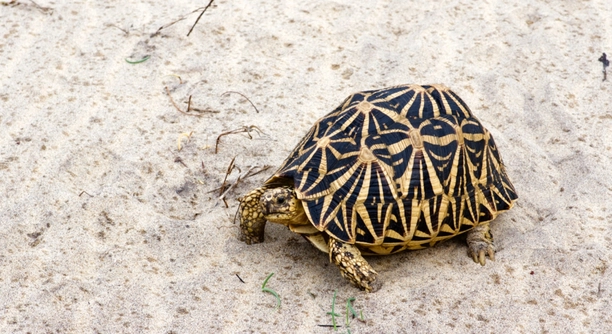
Indian Star Tortoises are a unique species, often kept as pets due to their striking appearance and gentle nature. However, adjusting to seasonal changes can be challenging for them, especially when temperature and humidity fluctuate.
To help Indian Star Tortoises adjust to seasonal changes, providing a consistent environment is key. You can use heating lamps, humidity control, and proper substrate to mimic their natural habitat. Regular observation is essential for their well-being.
By understanding these adjustments, you can create a comfortable home for your tortoise. With the right care, your tortoise will adapt smoothly to seasonal shifts, ensuring its health and happiness throughout the year.
Understanding the Natural Habitat of Indian Star Tortoises
Indian Star Tortoises are native to the dry, warm regions of India and Sri Lanka. In their natural environment, they experience a range of temperatures and humidity levels throughout the year. The seasonal changes they face in the wild are crucial to their well-being. In the wild, the temperature can fluctuate significantly, with hot summers and cooler, wetter monsoons. These changes allow the tortoises to regulate their behavior and adapt naturally.
To recreate a similar environment, it’s essential to replicate these conditions at home. This can be done by providing heating sources for warmth and ensuring the humidity levels stay within an appropriate range. Having a temperature gradient in their enclosure gives them the option to move to warmer or cooler areas when needed. This allows them to regulate their body temperature, which is vital for their metabolism and overall health.
If you’re planning to keep an Indian Star Tortoise as a pet, it’s important to remember that sudden temperature shifts can stress them. They rely on a stable environment to stay healthy. A good setup with consistent warmth and humidity will help them adjust smoothly to the changing seasons.
Proper Heating and Lighting for Your Tortoise
Heating and lighting are essential components of a tortoise’s habitat.
Providing a basking spot where the tortoise can absorb heat directly from a light source is vital. Using a UVB light will help them synthesize vitamin D, which is necessary for shell health and calcium absorption. Proper lighting and heat also aid in digestion and activity levels.
These elements are especially crucial during colder months when natural sunlight is limited. Ensure that the basking area stays warm enough, and remember to provide a cooler zone where they can retreat if they get too hot. Pay attention to the temperature fluctuations throughout the day and night.
Humidity Control for Seasonal Adjustments
Maintaining the right humidity levels is key to your tortoise’s comfort.
During warmer months, humidity levels should be kept around 50-60%. In cooler seasons, increasing humidity to about 70% can help your tortoise stay healthy. Regularly misting their enclosure or using a humidity gauge can help track this. A humidifier may also be used if necessary.
Too little humidity can lead to dehydration and dry skin, while too much can cause mold or respiratory issues. The right balance will keep your tortoise’s skin and shell in optimal condition. Monitor both humidity and temperature closely during the colder months to prevent seasonal stress on your pet.
Substrate Choices for Seasonal Comfort
The substrate you use plays a big role in temperature and humidity regulation.
A suitable substrate helps maintain the right humidity levels and provides a comfortable area for your tortoise to burrow. During hot months, dry, sandy substrates work well as they allow for better heat regulation. In cooler months, a mix of soil and coconut coir can help retain moisture and keep the environment stable.
Keep the substrate clean and dry, checking for any signs of mold or dampness. Your tortoise may burrow for warmth, so make sure it’s deep enough to provide insulation during colder weather. This simple adjustment can help keep them safe throughout the seasons.
Feeding Adjustments for Seasonal Changes
Adjust your tortoise’s diet as the seasons change.
During warmer months, Indian Star Tortoises tend to be more active and can eat more. A variety of leafy greens, grasses, and vegetables should be included in their diet. In cooler months, they may be less active, requiring fewer meals. Monitor their weight to ensure they are getting enough nutrition, but not overfeeding.
Watering Needs Throughout the Year
Water is essential for your tortoise’s hydration and health.
In the warmer seasons, offer fresh water daily. In cooler months, they may drink less but still need access to fresh water. Regular bathing can also help with hydration, especially if your tortoise becomes less active. Be sure to clean their water dish regularly.
Monitoring Health During Seasonal Changes
Keep a close eye on your tortoise’s health, especially when the seasons shift.
Changes in temperature and humidity can sometimes lead to health issues like respiratory infections or shell problems. If you notice any unusual behavior such as lethargy or changes in eating habits, consult a veterinarian. Keeping a consistent routine will help detect potential problems early.
FAQ
What temperature should my Indian Star Tortoise’s habitat be?
Indian Star Tortoises thrive in temperatures between 80°F and 90°F during the day. At night, temperatures can drop to around 70°F. If the temperature drops too low, it can stress the tortoise and affect its health. A heat lamp can provide the necessary warmth, while a cooler area in their habitat gives them the option to regulate their body temperature. Always monitor the temperature with a thermometer to ensure it stays within this range.
How can I keep the humidity levels right for my tortoise?
Humidity is important for the tortoise’s skin and overall health. The ideal humidity level for Indian Star Tortoises is around 50-60% in the summer. During the cooler months, you can increase the humidity to about 70%. Using a humidity gauge in the enclosure can help you monitor the levels. If needed, mist the enclosure or use a humidifier to maintain the right balance. Make sure the substrate remains damp but not soaked.
Can I let my Indian Star Tortoise roam outside?
Yes, Indian Star Tortoises can spend time outside, but only if the weather conditions are right. If you live in a warm climate, it is safe for them to roam outdoors for a few hours in a secure area. Make sure the outdoor environment is free from predators, and that there is plenty of shade to avoid overheating. Always supervise them, as they can get into dangerous situations, and never leave them outside when the temperature drops.
How do I know if my tortoise is too cold or too hot?
If your tortoise is too cold, it will become lethargic and may not eat or move around much. You may also notice that its breathing becomes shallow or labored. On the other hand, if it is too hot, it will seek cooler areas and might start showing signs of stress, like excessive panting. Always offer a gradient of temperatures within the enclosure so your tortoise can regulate itself.
What should I do if my tortoise isn’t eating during colder months?
During colder months, tortoises tend to eat less because their metabolism slows down. However, if your tortoise refuses to eat for extended periods, it could be a sign of stress or illness. Try adjusting the temperature and humidity to create a more comfortable environment. If the problem persists, a visit to the vet might be necessary to rule out any health concerns.
Can I use a regular light bulb to heat the enclosure?
A regular light bulb is not a good option for heating your tortoise’s enclosure. It may not provide the correct type or amount of heat needed to maintain a consistent temperature. Instead, use a basking lamp designed for reptiles. These provide both heat and UVB light, which is crucial for your tortoise’s health. Make sure to choose a bulb with the right wattage for the size of your tortoise’s enclosure.
How do I bathe my tortoise properly?
Bathing your tortoise can help it stay hydrated and keep its skin in good condition. Simply fill a shallow dish with lukewarm water, ensuring it’s deep enough to allow your tortoise to sit in comfortably without submerging its head. Gently place your tortoise in the water and let it soak for about 15 to 30 minutes. Never use water that’s too hot or too cold, as this can cause stress. After the bath, dry your tortoise gently with a towel.
What kind of substrate is best for an Indian Star Tortoise?
For an Indian Star Tortoise, a combination of sand, soil, and coconut coir works best. This mix allows the substrate to hold moisture without becoming too wet. You can also add leaves or small wood chips for added texture. The key is to keep the substrate slightly damp in cooler months but not soaked, as this can cause respiratory problems. Avoid using pine or cedar wood chips, as they can be harmful to reptiles.
Can I feed my tortoise fruits and vegetables?
Yes, fruits and vegetables are a part of a healthy diet for your Indian Star Tortoise. However, fruits should be given in moderation because they are high in sugar. Focus on providing a variety of leafy greens, such as dandelion greens, collard greens, and mustard greens. Vegetables like squash, carrots, and bell peppers are also good options. Avoid feeding them high-oxalate vegetables like spinach, as they can affect calcium absorption.
How often should I clean my tortoise’s enclosure?
You should clean your tortoise’s enclosure regularly to ensure a healthy environment. Spot clean daily by removing waste and uneaten food. A full cleaning, which includes replacing the substrate, wiping down surfaces, and washing any accessories, should be done every two to three weeks. This helps prevent the build-up of bacteria and mold, ensuring your tortoise remains in a safe and hygienic habitat.
Final Thoughts
Caring for an Indian Star Tortoise requires attention to the small details of their environment, especially when the seasons change. These tortoises are sensitive to temperature and humidity, which means creating a stable habitat is essential for their well-being. Regularly monitoring their enclosure and adjusting the heat and humidity as needed can help prevent stress or health problems. By replicating their natural habitat with consistent warmth and humidity levels, you ensure they remain comfortable throughout the year.
It’s also important to provide a balanced diet that changes with the seasons. During warmer months, Indian Star Tortoises are more active and require more food, while in colder months, their appetite might decrease due to their slower metabolism. Offering a variety of greens, vegetables, and occasional fruits will help meet their nutritional needs. Remember that hydration is just as crucial, so always provide fresh water and regular baths to maintain proper hydration levels. Keeping an eye on your tortoise’s eating habits and behavior will help you catch any potential issues early on.
With a little effort, it’s easy to help your Indian Star Tortoise adjust to seasonal changes. Providing a proper environment, monitoring their health, and offering the right diet will ensure they live a happy and healthy life. Understanding their needs and making minor adjustments can go a long way in keeping them content. Whether you’re adjusting the temperature or changing their food, your tortoise will thrive when their environment matches their natural habitat.

Hello,
If you enjoy the content that we create, please consider saying a "Thank You!" by leaving a tip.
Every little bit helps us continue crafting quality advice that supports the health, happiness, and well-being of pets around the world, for pets of all shapes, sizes, and species.
We really appreciate the kindness and support that you show us!