
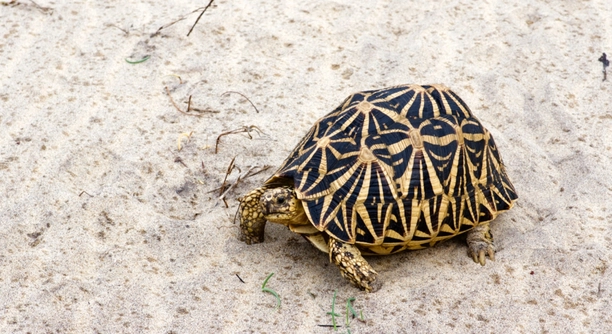
Is your Indian star tortoise showing signs of boredom, such as pacing or lack of interest in its surroundings? Providing mental and physical stimulation is essential for their well-being. Enrichment activities can help keep them engaged and prevent stress-related behaviors.
The best way to prevent boredom in Indian star tortoises is by offering diverse enrichment activities. These include varied food options, climbing structures, digging areas, and interactive toys. Creating a stimulating environment mimics their natural habitat, promoting both physical activity and mental engagement.
From hiding treats to introducing new textures, there are many ways to enrich your tortoise’s life. Understanding these techniques can ensure your pet remains active, healthy, and content in its environment.
1. The Importance of a Stimulating Environment for Indian Star Tortoises
Indian star tortoises are naturally curious creatures. In the wild, they explore their surroundings, foraging for food, climbing, and digging. In captivity, however, they may become bored if their habitat lacks variety. A boring environment can lead to stress, unhealthy behaviors, and even a decrease in lifespan. This is why creating an engaging space is crucial for their physical and mental health. By mimicking aspects of their natural habitat, you can encourage them to exhibit natural behaviors, leading to a happier and healthier tortoise.
Adding complexity to their environment doesn’t require a complete overhaul. Small changes can have a big impact, such as rearranging their enclosure or providing a few new items. Adding variety to their diet or providing areas to hide and explore can keep them entertained for hours.
It’s important to remember that mental stimulation is just as vital as physical exercise. Tortoises need to be able to move around freely, but they also need challenges that mimic what they would face in the wild. A combination of both will keep them active and happy.
2. Enrichment Ideas for Indian Star Tortoises
Offering new enrichment activities regularly keeps your tortoise from becoming bored. Start with simple additions like hiding their food in different spots to encourage foraging. Tortoises have a great sense of smell, and hiding food stimulates their natural instinct to search.
Building climbing structures can help them stay active. Providing safe rocks or logs for them to climb on mimics their natural environment, where they often navigate rough terrain. Make sure the objects are stable and easy to climb, ensuring they can’t injure themselves.
Another option is creating digging areas. Tortoises love to dig, and a soft, sandy substrate can allow them to exhibit this natural behavior. Digging helps them exercise and gives them mental stimulation. Keep the area clean and free of any potential hazards.
3. Hiding Food to Encourage Natural Foraging Behavior
Hiding food encourages tortoises to use their natural instincts to search for food. It adds a layer of challenge to mealtime and prevents them from getting bored.
You can scatter food items throughout the enclosure or place them in containers that require some effort to access. This activity simulates the foraging behavior they would experience in the wild, where food isn’t always easily available. Consider using leafy greens, fruits, or other treats to keep things interesting.
Hiding food also encourages exercise as your tortoise will have to move around to find its next meal. It’s a simple yet effective way to add stimulation to your tortoise’s environment.
4. Adding Climbing Structures to Encourage Movement
Climbing structures provide your tortoise with more than just a place to explore—they also help improve muscle strength.
Install stable rocks, logs, or gentle ramps in their habitat to promote climbing and physical exercise. Tortoises naturally navigate uneven ground in the wild, and a climbing area mimics this aspect of their environment. It also helps prevent them from becoming sedentary, promoting a healthy lifestyle.
Make sure any climbing structures are secure, easy to climb, and free of sharp edges. Adding variety in height can keep your tortoise engaged and provide new challenges. Ensure the space remains accessible and comfortable.
5. Introducing New Textures to Spark Curiosity
Tortoises enjoy exploring different textures, and adding variety to their environment can stimulate their curiosity.
You can introduce safe, textured materials like bark, mats, or artificial grass. These textures allow your tortoise to interact with their surroundings in new ways, encouraging exploration. The change in texture can keep them engaged for longer periods.
6. Providing Hiding Spots for Comfort and Security
Tortoises are naturally inclined to seek shelter. Providing hiding spots in their habitat offers them a sense of safety.
You can use small wooden boxes, rocks, or plants to create secure hiding areas. These spaces will help reduce stress, especially if your tortoise feels overwhelmed or exposed. A comfortable, hidden spot also allows them to retreat and relax when needed.
7. Using Water Features to Encourage Exploration
Introducing a shallow water feature can provide additional stimulation for your tortoise.
A small, shallow pond or water dish encourages your tortoise to explore and stay hydrated. Adding a water element to their habitat mimics natural environments where tortoises may encounter water sources. It also offers opportunities for cooling off.
FAQ
How often should I change the enrichment in my tortoise’s habitat?
Changing the enrichment every few weeks will help keep your tortoise from becoming accustomed to the same routine. You don’t have to make big changes; small alterations like moving objects around, swapping out climbing structures, or offering new hiding spots can make a significant difference. Keep their environment interesting by continuously offering fresh opportunities for exploration and activity.
Can I use household items for enrichment?
Yes, many household items can be used for tortoise enrichment, as long as they are safe and non-toxic. For example, cardboard boxes, paper towel rolls, and plastic containers can be repurposed into hiding spots or foraging tools. Just be sure that the items are clean and free of harmful chemicals.
What type of substrate is best for enrichment?
The substrate plays an important role in enriching the environment. Natural substrates like coconut coir, soil, or sand encourage digging and burrowing behaviors. These materials also provide texture, which can stimulate your tortoise’s curiosity. However, avoid using substrates like cedar wood chips, as they may be harmful to reptiles.
Can I leave my tortoise in its enclosure all day?
While tortoises need a secure, comfortable habitat, they should also be allowed time outside of their enclosure for exercise and exploration. Providing an area where they can roam, or using a safe outdoor space (when the weather allows), is essential for their health. Even if they remain inside, it’s important to ensure that their habitat is large enough to allow movement and interaction with enrichment items.
Is it necessary to provide a variety of food for enrichment?
Yes, offering a variety of food items is a simple and effective way to add enrichment. Tortoises can become bored with the same foods, so varying their diet not only improves nutrition but also sparks their interest. Offer a mix of leafy greens, vegetables, fruits, and occasional treats like flowers. Be mindful of portion sizes and nutritional balance.
How can I encourage my tortoise to climb more?
Adding climbing structures to your tortoise’s habitat can promote physical activity. Start with logs, rocks, or safe ramps. Ensure the items are sturdy and easy to climb. Tortoises will often investigate elevated areas, and providing these options mimics the terrain they would encounter in the wild. Make sure the climbing structures don’t create dangerous falls or excessive stress.
What should I do if my tortoise seems uninterested in enrichment activities?
If your tortoise shows little interest, try changing the type of enrichment you provide. It may take time for them to warm up to new activities. Ensure that their environment is safe and free from stressors. Try offering different textures, hiding food in new locations, or adding fresh plants to encourage curiosity.
Are there any signs that my tortoise is bored?
Signs of boredom include excessive pacing, a lack of interest in food, or repetitive behaviors like digging in the same spot. A bored tortoise may also become less active or show signs of stress, such as lethargy or weight loss. Regular enrichment can help prevent these behaviors and keep them mentally and physically engaged.
How can I make my tortoise’s habitat more natural?
To create a more natural habitat, focus on replicating the elements they would find in the wild. Use natural substrates like soil or sand, add climbing structures and rocks, and create areas for hiding. Ensure that there’s room for your tortoise to move freely and explore, similar to how they would in their native environment.
Is it important to have a consistent routine for enrichment?
While variety is key, having a consistent routine can also benefit your tortoise. For instance, feeding them at the same time each day or incorporating regular outdoor time provides structure. However, always ensure that the environment remains engaging and doesn’t become predictable. Balancing consistency with occasional changes is the ideal approach.
Can I provide enrichment outside of the enclosure?
Yes, giving your tortoise time outside of the enclosure, especially in a safe outdoor area, can provide valuable enrichment. Under supervision, allow them to explore different terrains, such as grass, rocks, and dirt. This gives them the opportunity to exercise and engage in natural behaviors that can’t always be replicated indoors.
Final Thoughts
Preventing boredom in Indian star tortoises is an important part of ensuring their well-being. These creatures need stimulation to stay healthy and active, as their natural instincts to explore and forage are crucial for their mental and physical development. Simple activities like hiding food, adding climbing structures, or changing their environment regularly can go a long way in keeping them engaged. The more effort put into providing variety and challenge, the happier and healthier your tortoise will be. A little creativity in their habitat can make a significant difference in their quality of life.
Tortoises are naturally curious animals, and their need for mental stimulation can often be overlooked. It’s not just about providing food; it’s about offering experiences that allow them to engage in activities similar to what they would experience in the wild. Creating an environment that mimics their natural habitat and encourages movement, exploration, and foraging ensures they stay both mentally and physically active. With a combination of physical activity and mental engagement, tortoises can thrive, avoiding issues like obesity or lethargy, which often result from a lack of stimulation.
Ultimately, enriching the life of your tortoise doesn’t have to be complicated or expensive. It’s about using simple, safe items and strategies to encourage natural behaviors. Whether it’s hiding their food, providing climbing spaces, or creating safe outdoor exploration areas, each small change can make a big impact. It’s essential to pay attention to their behavior, adjust enrichment activities as needed, and continuously improve their environment. By doing so, you’ll ensure your tortoise remains happy, healthy, and stimulated for years to come.

Hello,
If you enjoy the content that we create, please consider saying a "Thank You!" by leaving a tip.
Every little bit helps us continue crafting quality advice that supports the health, happiness, and well-being of pets around the world, for pets of all shapes, sizes, and species.
We really appreciate the kindness and support that you show us!