
Are you thinking about getting a pet but want something low-maintenance and unique? Indian star tortoises are a great option for beginners, offering a fascinating blend of beauty, calm temperament, and easy care requirements compared to other reptiles.
Indian star tortoises make excellent pets for beginners due to their docile nature, adaptability, and relatively simple care needs. They require a proper diet, a well-maintained enclosure, and a warm climate to thrive, making them an excellent choice for first-time reptile owners.
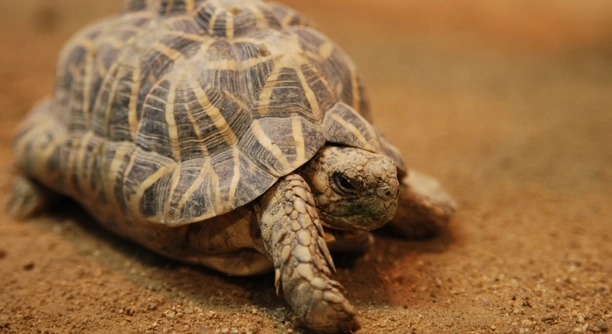
These tortoises have distinct star-like patterns on their shells and a peaceful demeanor that makes them enjoyable to observe and care for. Understanding their basic needs ensures they remain healthy and content in captivity.
They Are Low-Maintenance Pets
Indian star tortoises are easy to care for, making them ideal for beginners. They don’t require constant attention and can thrive with a simple, well-maintained setup. Their diet consists of leafy greens, vegetables, and occasional fruits, making feeding straightforward. Unlike some reptiles, they don’t need live food or complicated diets. Their enclosure should include a warm basking area, shaded spots, and a shallow water dish for hydration. Regular cleaning and maintaining the right temperature and humidity levels keep them healthy. With minimal effort, they remain active and stress-free in their environment.
Their slow-moving nature makes them peaceful pets that don’t demand frequent interaction. They are content with a well-arranged habitat and occasional feeding, making them easier to manage than high-energy animals.
Providing them with a spacious enclosure, UV lighting, and a steady food supply ensures they remain healthy. A routine of checking their habitat and offering fresh food keeps them in top condition.
They Have a Calm Temperament
Indian star tortoises are naturally gentle and non-aggressive. They don’t bite or scratch, making them great pets for those who prefer calm animals. Their relaxed nature means they are easy to observe without requiring constant handling.
These tortoises adapt well to their surroundings and don’t get stressed easily, as long as they have a quiet and comfortable space. Unlike some other reptiles, they don’t react aggressively when approached. They may take time to get used to their owners but will remain peaceful even when handled occasionally. Their slow movements and shy demeanor make them enjoyable pets to watch and care for.
With a consistent routine and a stress-free environment, they can live long, healthy lives. They appreciate a predictable schedule for feeding and basking, which helps them feel secure. Their calm nature makes them a great choice for people looking for a pet that doesn’t require constant social interaction.
They Require Minimal Space
Indian star tortoises do not need a large enclosure, making them suitable for small living spaces. A properly sized indoor or outdoor habitat with a secure fence and hiding spots is enough to keep them comfortable. They thrive in well-maintained, moderate-sized enclosures with adequate space for movement.
A habitat with a warm basking area, shaded regions, and soft substrate allows them to stay active. They prefer enclosures with natural elements like rocks, logs, and grass patches. While they don’t need a vast area, providing some space for roaming helps them maintain natural behaviors. Regular cleaning ensures a healthy environment.
For indoor setups, a tortoise table with UV lighting and heating elements works well. Outdoor enclosures should have a secure perimeter to prevent escape and protection from extreme weather. A simple, well-organized habitat with fresh food and clean water supports their long-term well-being.
They Have Long Lifespans
With proper care, Indian star tortoises can live for decades. Their long lifespan makes them a lifelong companion, requiring a commitment to their health and well-being. Regular feeding, appropriate lighting, and a stress-free environment contribute to their longevity. Keeping their habitat clean and maintaining the right temperature helps prevent health issues.
A consistent diet of leafy greens, calcium supplements, and occasional fruits supports their growth. They require UVB lighting to process calcium effectively, preventing shell deformities. Monitoring their activity levels and ensuring they get enough sunlight or artificial lighting helps them stay strong. Proper hydration is essential, so fresh water should always be available.
Veterinary checkups help detect any potential health problems early. Signs of illness, such as lack of appetite or unusual behavior, should be addressed immediately. With the right care and attention, these tortoises can remain healthy and active for many years, making them a reliable pet choice.
They Are Quiet and Non-Disruptive
Indian star tortoises do not make noise, making them ideal for peaceful households. They don’t bark, chirp, or create disturbances, allowing them to blend seamlessly into a quiet environment. Their calm demeanor makes them a great choice for people who prefer a low-noise pet.
Since they are not social animals, they don’t require constant attention or interaction. They spend most of their time exploring their enclosure, basking, or resting. As long as they have a comfortable and secure habitat, they remain stress-free and content without causing any disruption.
They Are Easy to Feed
A diet of leafy greens, vegetables, and occasional fruits keeps them healthy. They do not require live food or complex meal preparations, making feeding simple. Calcium supplements help maintain strong shells, while access to clean water supports proper digestion and hydration.
They Are Legal in Many Areas
Before getting an Indian star tortoise, checking local regulations is essential. Some regions require permits, while others have restrictions. Ensuring legal ownership prevents potential issues and allows for responsible pet care.
FAQ
How big do Indian star tortoises grow?
Indian star tortoises typically grow to around 10-12 inches in length, with some individuals reaching up to 14 inches. Their slow growth rate means they may take several years to reach full size. It’s important to provide enough space as they grow, but they don’t require massive enclosures.
What do Indian star tortoises eat?
Their diet mainly consists of leafy greens, such as dandelion greens, collard greens, and mustard greens. You can also feed them vegetables like zucchini and squash, along with occasional fruits like melon and berries. Supplementing their diet with calcium and vitamin D is essential for strong shells.
How often should I feed my Indian star tortoise?
You should feed them every other day, offering a variety of leafy greens and vegetables. Avoid overfeeding fruits, as they should only be given sparingly. Make sure they always have access to fresh water, and ensure their food is clean and free of pesticides.
Can Indian star tortoises live outside?
Yes, they can live outside, provided the environment is safe and suitable. They need a secure enclosure with a warm basking area, shade, and protection from predators. The temperature should be maintained between 80°F and 90°F during the day, with a drop at night. Ensure the habitat is escape-proof.
How long do Indian star tortoises live?
Indian star tortoises can live for 30-50 years with proper care. Their long lifespan means they can be a long-term pet. It’s important to maintain a consistent care routine and monitor their health throughout their lives. Regular vet visits help prevent common issues.
Do Indian star tortoises need UV light?
Yes, Indian star tortoises require UVB lighting to help them process calcium and maintain healthy shells. UVB lighting should be provided for 10-12 hours a day. If they are kept outdoors, ensure they have access to direct sunlight for a portion of the day.
What temperature should my Indian star tortoise’s enclosure be?
The basking area should be between 90°F and 95°F, while the rest of the enclosure should stay between 75°F and 85°F. A nighttime drop in temperature is fine, but it should not go below 70°F. Using a thermometer will help maintain these ideal conditions.
How can I tell if my Indian star tortoise is healthy?
A healthy tortoise will have clear eyes, an active and alert demeanor, and a strong, smooth shell. It should be eating regularly and moving around its enclosure. If it seems lethargic, has a swollen or discolored shell, or stops eating, a visit to the vet is necessary.
Do Indian star tortoises need a lot of attention?
No, Indian star tortoises are not very social and do not require constant interaction. They are happy as long as their environment is stable and they have access to food, water, and basking areas. They are perfect for those who prefer a more hands-off pet.
Can Indian star tortoises swim?
Indian star tortoises are not strong swimmers and should not be placed in deep water. They enjoy shallow water for drinking and occasionally soaking, but they should always be able to touch the bottom to avoid drowning. Be sure their water dish is shallow and easy to access.
How do I clean my Indian star tortoise’s habitat?
Regular cleaning is essential to prevent bacteria buildup. Spot-clean their enclosure daily by removing uneaten food and waste. Every 1-2 weeks, deep clean the entire enclosure, replacing substrate and disinfecting surfaces. Make sure to use reptile-safe cleaners and thoroughly rinse everything before reintroducing your tortoise.
Are Indian star tortoises easy to handle?
While they are not aggressive, Indian star tortoises are not particularly fond of handling. They are slow-moving and may retract into their shells when picked up. It’s best to handle them minimally, allowing them to roam freely in their habitat, and interact with them gently if needed.
Can I keep more than one Indian star tortoise together?
It is possible to keep multiple Indian star tortoises together, but it’s essential to monitor them closely. Male tortoises can become territorial, and they may fight over space. Providing ample room and hiding spots can help reduce aggression. Make sure each tortoise has its own food and water access to avoid competition.
What size enclosure do Indian star tortoises need?
For one tortoise, an enclosure should be at least 4 feet long and 2 feet wide. Larger enclosures are recommended for multiple tortoises. Outdoor enclosures should be larger, offering plenty of space for roaming, basking, and hiding. The enclosure should have secure fencing to prevent escapes.
What are common health problems in Indian star tortoises?
Common health issues include respiratory infections, shell rot, and vitamin deficiencies. Respiratory infections can be caused by poor ventilation or humidity, while shell rot is usually due to injury or excess moisture. Providing the right conditions, proper nutrition, and regular veterinary care can prevent most health problems.
How do I handle an Indian star tortoise?
When handling your tortoise, be gentle and support its body evenly. Never pick it up by its shell, as this can cause injury. Instead, use both hands to lift it carefully from beneath, ensuring it feels secure. Handling should be kept to a minimum to reduce stress.
Final Thoughts
Indian star tortoises are an excellent choice for beginners due to their manageable size, low-maintenance care, and peaceful nature. They don’t require constant attention and are perfect for people who prefer a quiet, calm pet. These tortoises do well with simple diets of leafy greens and vegetables, and they thrive in stable, clean environments. Their long lifespan makes them a long-term commitment, but with proper care, they can be healthy and content for many years.
Their quiet and non-disruptive nature makes them ideal for households that value a peaceful environment. While they don’t require constant handling or social interaction, they do need a comfortable, well-maintained habitat. Providing the right conditions, like proper lighting, temperature, and humidity, will ensure your tortoise lives a healthy life. While they can live outside, always make sure their habitat is secure from predators and the elements.
Overall, Indian star tortoises make wonderful pets for beginners who are willing to invest time in setting up and maintaining their environment. With their calm demeanor, easy care requirements, and longevity, they are a great choice for anyone looking for a reptile companion. By meeting their needs and understanding their behavior, you can enjoy years of companionship with your tortoise.

Hello,
If you enjoy the content that we create, please consider saying a "Thank You!" by leaving a tip.
Every little bit helps us continue crafting quality advice that supports the health, happiness, and well-being of pets around the world, for pets of all shapes, sizes, and species.
We really appreciate the kindness and support that you show us!