
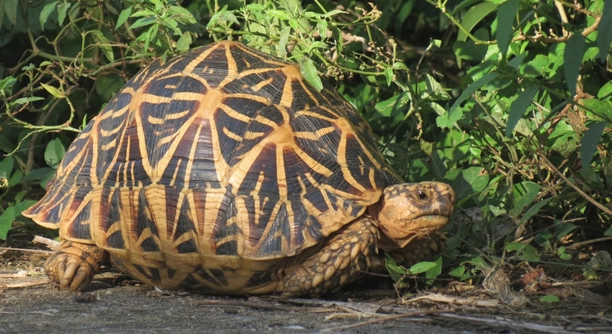
Indian Star Tortoises are known for their calm nature and distinct patterns. However, if your tortoise consistently avoids its UVB spot, it could be an indication of several underlying factors that need addressing.
The main reason your Indian Star Tortoise avoids its UVB spot is discomfort or an unsuitable environment. Factors like incorrect temperature, UVB intensity, or the location of the basking spot could be contributing to this behavior.
Adjusting the lighting and ensuring the UVB is at the proper intensity can improve its well-being. Understanding these factors will help you create a more comfortable habitat for your tortoise.
UVB Light Intensity and Placement
If your Indian Star Tortoise is avoiding its UVB spot, one of the first things to check is the UVB light intensity. Tortoises need UVB light to properly synthesize vitamin D3, which helps them absorb calcium. If the light is too weak or too strong, it can be uncomfortable for them, causing them to avoid it.
Ensure that the UVB light is the right type and wattage for your tortoise’s size and habitat. The intensity of the UVB light should be strong enough to reach your tortoise, but not so intense that it feels overwhelming.
Also, placing the light in the correct spot is crucial. The UVB light should be positioned close to your tortoise’s basking area, but not directly over it. This will provide a natural gradient of heat and UVB, allowing your tortoise to move between the two areas as needed for comfort and health.
Temperature Regulation
The temperature in your tortoise’s habitat plays a significant role in how comfortable they are. Too hot or too cold, and they might avoid the UVB spot entirely. Your tortoise needs a warm basking area with temperatures between 90°F and 95°F, while the cooler side of the enclosure should range from 75°F to 85°F.
Proper temperature regulation helps your tortoise regulate its body heat and feel comfortable when basking. If the UVB light is placed in a part of the enclosure that is too cold or too hot, your tortoise may avoid it. It’s essential to monitor the temperatures regularly with a reliable thermometer. If the basking area is too cool, your tortoise might not feel motivated to go near the UVB spot. Likewise, if it’s too hot, it could become stressed. Ensuring the right balance is key to helping your tortoise thrive.
Creating a Comfortable Habitat
Along with UVB light and temperature, the overall habitat setup can influence your tortoise’s behavior. Consider the substrate in the enclosure—ensure it’s not too rough or abrasive, which might make your tortoise uncomfortable when moving around. Also, providing plenty of hiding spots and enrichment items like rocks or logs can make your tortoise feel secure, leading to more natural movement within its habitat.
Make sure your tortoise has a variety of spaces to choose from. This will allow them to regulate both their temperature and their exposure to UVB light, based on how they feel. Keeping your tortoise’s environment simple, clean, and consistent can greatly improve its comfort and reduce any stress-related behaviors.
Stress and Health Issues
Stress can be a significant factor in why your tortoise is avoiding its UVB spot. Environmental stressors like loud noises, sudden temperature changes, or too much handling can cause your tortoise to feel unsafe. When stressed, tortoises may avoid basking areas entirely.
Signs of stress include hiding, a lack of appetite, or unusual behaviors. If your tortoise has been relocated recently or experienced any changes in its environment, these factors could contribute to its refusal to bask under the UVB light. Stress-related avoidance is a common issue. It’s important to give your tortoise time to adjust to any new surroundings.
Additionally, health issues can make it painful for your tortoise to bask. Conditions like metabolic bone disease or respiratory infections could cause discomfort. If you notice any signs of illness, such as lethargy or labored breathing, it’s vital to consult a vet for an examination.
Inadequate UVB Light Duration
Another reason your tortoise might be avoiding its UVB spot is the duration of exposure. Tortoises need UVB light for a certain number of hours per day to maintain their health. Too little exposure can lead to Vitamin D3 deficiency and cause avoidance behaviors.
The recommended duration for UVB light exposure is about 10-12 hours daily. Any less, and your tortoise won’t receive enough UVB to properly metabolize calcium. If your lighting system doesn’t stay on long enough or isn’t providing enough hours of UVB exposure, your tortoise may not be motivated to bask.
Adjusting the light to a consistent schedule and providing it for the necessary hours will help your tortoise stay healthy and more willing to use its UVB spot. Consistency is key when setting up the light duration.
Incorrect UVB Light Spectrum
The UVB light spectrum can also affect your tortoise’s behavior. If the light is not emitting the correct wavelengths, it might not be as effective in stimulating vitamin D3 production, which is essential for your tortoise’s health.
Ensure that the UVB bulb you’re using provides the proper spectrum, typically between 290-320 nm. Bulbs that are not specifically designed for reptiles may not provide the necessary UVB rays. If the bulb doesn’t match your tortoise’s needs, it can lead to avoidance of the UVB spot.
Bulb Age and Effectiveness
UVB bulbs lose their effectiveness over time. Even though they may still emit light, the UVB output decreases, which could result in your tortoise avoiding the spot.
It’s crucial to replace the UVB bulb regularly, ideally every 6-12 months. Older bulbs may not provide the necessary UVB for your tortoise to feel comfortable basking. This can cause the tortoise to find a different area to rest. Keeping track of the bulb’s lifespan ensures your tortoise gets the full benefit of UVB exposure.
Habitat Size and Layout
If the habitat is too small or poorly laid out, your tortoise might feel confined or uncomfortable when trying to bask. A cramped environment can make your tortoise less likely to explore its basking spot.
Ensure your tortoise has enough space to move around and find a comfortable area. A well-sized enclosure will allow it to navigate between heat and UVB spots as needed, giving it more freedom to regulate its temperature and light exposure.
FAQ
Why is my Indian Star Tortoise not basking under its UVB light?
If your Indian Star Tortoise isn’t basking under its UVB light, there could be multiple reasons for this behavior. One of the most common issues is improper light intensity or incorrect placement of the UVB bulb. The light might be too weak, or it may not be positioned properly for your tortoise to reach it comfortably. Temperature imbalances within the enclosure can also make basking uncomfortable. If it’s too hot or too cold in the basking area, your tortoise might avoid it altogether. Another possibility is stress, which can discourage your tortoise from using its UVB spot. Changes in the environment, loud noises, or even too much handling can lead to stress. Health problems, like pain from metabolic bone disease or respiratory issues, could also play a role in preventing your tortoise from basking.
How can I tell if my UVB light is the right intensity?
To determine if your UVB light is the right intensity, use a UVB meter to measure the output. The light should be strong enough to reach your tortoise’s basking area but not so intense that it causes discomfort. The proper intensity for your Indian Star Tortoise will depend on the type of bulb you use. Generally, a UVB bulb should provide at least 5-10% UVB output for your tortoise. The distance between the light and the basking spot is crucial too; make sure it’s not too far or too close. If you don’t have a meter, monitor your tortoise’s behavior—if it avoids basking under the light, it might be too intense or too weak.
How often should I replace my UVB bulb?
UVB bulbs lose their effectiveness over time. It’s important to replace them every 6-12 months, even if the light still seems to be working. Over time, UVB output diminishes, and your tortoise won’t be able to absorb the necessary UVB rays. Some bulbs are labeled with an expiration date, making it easier to know when to replace them. Even if the light appears to be functioning normally, the UVB rays it emits may not be sufficient for your tortoise’s health. If you notice a decline in your tortoise’s activity or if it avoids the basking area, consider replacing the bulb to ensure it’s receiving proper UVB exposure.
What is the ideal temperature for my Indian Star Tortoise’s basking area?
The ideal temperature for your tortoise’s basking area should be between 90°F and 95°F. This range allows your tortoise to regulate its body temperature effectively. If the temperature is too high or too low, your tortoise may not feel comfortable basking, and this could cause it to avoid the UVB spot. Ensure that the cooler side of the enclosure is around 75°F to 85°F to provide a temperature gradient for your tortoise to move between. A proper basking temperature promotes healthy digestion, immunity, and overall well-being for your tortoise. Use reliable thermometers to check the temperature regularly and make necessary adjustments.
Can stress affect my tortoise’s behavior around its UVB light?
Yes, stress can absolutely affect your tortoise’s behavior. If your Indian Star Tortoise feels stressed, it may avoid the basking area entirely. Stress can be caused by a variety of factors, including changes in the habitat, sudden temperature fluctuations, loud noises, or excessive handling. If your tortoise has recently been moved to a new environment, give it some time to adjust. A stressed tortoise may also show other signs like loss of appetite or hiding. Reducing stress by providing a stable, quiet environment will help your tortoise feel comfortable enough to bask under its UVB light again.
How long should my tortoise be exposed to UVB light daily?
Your tortoise should be exposed to UVB light for about 10-12 hours each day. This helps your tortoise maintain a proper balance of vitamin D3 and calcium absorption. A consistent light schedule, with a cycle of 10-12 hours of light and 12-14 hours of darkness, mimics natural conditions and supports your tortoise’s health. If the light is left on for fewer hours, your tortoise may not get enough UVB exposure, leading to deficiencies. It’s also important to turn off the UVB light at night to simulate a natural day/night cycle.
What can I do if my tortoise still avoids the UVB light after making adjustments?
If your tortoise continues to avoid the UVB light despite adjustments, there may be an underlying health issue. Metabolic bone disease, respiratory infections, or other conditions can cause your tortoise to avoid basking, as it may be in pain or discomfort. A vet check-up is recommended if you notice other signs of illness, like lethargy or abnormal breathing. It’s also important to ensure that the overall habitat setup is suitable for your tortoise’s needs. A well-balanced environment that includes appropriate temperature, lighting, and space is crucial for your tortoise’s comfort. If you’ve made all the necessary adjustments and the behavior persists, it’s worth consulting a reptile veterinarian for further guidance.
Final Thoughts
When it comes to your Indian Star Tortoise avoiding its UVB light, there are several factors that could be at play. One of the most important things to consider is the quality and setup of the UVB light. Ensure that the light is positioned correctly and is strong enough to meet your tortoise’s needs. The distance between the bulb and the basking spot is crucial, and you may need to adjust it to make sure your tortoise can comfortably receive the light. If the light is too far or too weak, your tortoise might not use it as often, leading to avoidance.
Temperature is another key factor. Tortoises rely on a temperature gradient in their enclosures to regulate their body heat. If the basking area is too hot or too cold, your tortoise may not feel comfortable there. It’s essential to maintain the right temperatures throughout the enclosure to ensure that your tortoise can always move between warmer and cooler areas as needed. A well-balanced habitat, with proper UVB light and temperatures, will encourage your tortoise to use its basking spot more frequently.
Finally, stress and health issues should not be overlooked. Stress can cause your tortoise to avoid its basking area, especially if the environment is too noisy or unsettling. It’s also possible that your tortoise is avoiding the UVB spot due to pain from an underlying health condition. If you’ve checked all environmental factors and made necessary adjustments without success, a visit to the vet is recommended. Ensuring that your tortoise feels secure, comfortable, and healthy is essential for its well-being and will help it thrive in its enclosure.

Hello,
If you enjoy the content that we create, please consider saying a "Thank You!" by leaving a tip.
Every little bit helps us continue crafting quality advice that supports the health, happiness, and well-being of pets around the world, for pets of all shapes, sizes, and species.
We really appreciate the kindness and support that you show us!