
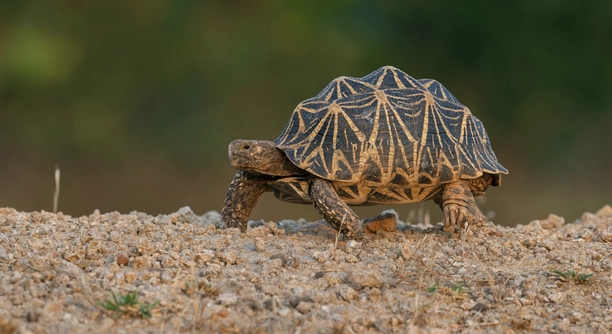
Indian star tortoises are known for their unique appearance and gentle nature. Their mating behavior can be influenced by various factors, which determine their reproductive success in captivity or the wild. Understanding these factors is important for their well-being.
The success of mating in Indian star tortoises is affected by factors such as habitat conditions, diet, temperature, and the availability of suitable mates. The timing of mating and the tortoises’ overall health also play significant roles in reproduction.
By learning about these key factors, you can gain a better understanding of how to support the mating success of your tortoises.
Habitat Conditions and Environment
The environment in which Indian star tortoises live has a huge impact on their ability to mate successfully. These tortoises need a comfortable habitat that closely mirrors their natural surroundings. Warm temperatures, adequate space, and appropriate humidity levels are essential. A habitat that lacks these conditions can lead to stress, which negatively affects their behavior and mating success. In the wild, they thrive in dry, grassy areas with access to occasional water sources. Replicating these conditions in captivity helps them feel secure and ready for reproduction.
A suitable habitat helps maintain healthy tortoises, encouraging mating. Without it, they may not breed at all.
When setting up an enclosure, make sure it is large enough for them to roam freely. A well-ventilated space with temperature gradients is essential, allowing them to choose warmer or cooler areas based on their needs. This mimics the natural climate they encounter in the wild. Overcrowding can also create tension among tortoises, reducing their chances of successful mating.
Diet and Nutrition
The right diet plays a crucial role in their health and fertility. A poor diet can lead to nutritional deficiencies, making it harder for Indian star tortoises to reproduce.
Feeding them a balanced diet with leafy greens, vegetables, and limited fruits ensures they receive the nutrients they need. This boosts their energy levels, improves overall health, and increases their chances of successful mating. Calcium is especially important to prevent shell deformities and support reproductive functions. Providing varied food types, such as dandelion greens and clover, offers the necessary vitamins and minerals.
Inadequate food can lead to weak immune systems, low energy, and trouble mating. Therefore, investing time in creating a balanced feeding plan will pay off, not only for their health but also for successful reproduction. Proper nutrition strengthens their body, helping them thrive and be prepared for mating season.
Temperature and Lighting
Temperature is a major factor in the mating behavior of Indian star tortoises. They require specific temperature ranges to feel comfortable and healthy enough to breed.
Tortoises should have a warm basking area between 95-100°F and a cooler area that is around 80°F. The temperature helps regulate their metabolism and promotes proper digestion. It also encourages them to be more active, which increases the chances of successful mating. If temperatures drop too low, they may become lethargic and less likely to mate. Providing a reliable heat source and UVB light for around 10-12 hours daily can simulate the sun’s natural cycle.
Proper lighting is just as important. UVB light helps tortoises synthesize vitamin D3, which is essential for calcium absorption. Without adequate UVB exposure, they might suffer from shell deformities or weakened bones, making them less capable of mating and reproducing successfully. Ensuring both temperature and lighting are consistent can make a big difference in their ability to mate.
Availability of Suitable Mates
Indian star tortoises are solitary creatures, but they still require suitable mates to reproduce successfully. Mating success largely depends on the compatibility and availability of the right mate.
For successful breeding, it’s important to have more females than males in an enclosure. Males can become overly aggressive towards females if there aren’t enough mates, leading to stress and potentially harmful behavior. It’s also important to ensure that both males and females are in good health, as weak or unhealthy tortoises are less likely to reproduce. Overcrowding can reduce the chances of finding a suitable mate, making the breeding process more difficult.
If you plan to breed your tortoises, observe their behavior carefully. You may need to separate incompatible pairs to reduce stress. Allowing the tortoises space to move freely and interact will help them establish the necessary bond for mating.
Stress and Well-being
Stress negatively impacts the health and mating ability of Indian star tortoises. They require a peaceful environment to thrive and reproduce.
Stress can result from overcrowding, aggressive behavior, or poor environmental conditions. If they feel threatened, their reproductive behavior may be disrupted. Creating a calm, secure space will help tortoises feel safe and more likely to mate successfully.
Regular handling can also cause stress, so limit direct contact unless necessary. A consistent routine, proper care, and minimal disruption will improve their well-being and increase mating chances. Managing their stress levels promotes better health and fertility.
Timing of Mating
Indian star tortoises often mate seasonally. Understanding their natural cycle helps predict the best time for breeding.
Mating usually takes place during the warmer months, typically in spring or early summer. This aligns with the availability of food and optimal environmental conditions. Both male and female tortoises become more active during this time, making it easier to spot mating behavior. During colder months, they may enter a dormant state, reducing the likelihood of mating. Timing your breeding efforts with the season ensures better success.
Health of the Tortoises
The overall health of Indian star tortoises is vital for mating success. Healthy tortoises are more likely to breed and produce healthy offspring.
Ensure that both males and females are in good condition by providing proper nutrition, the right temperature, and a stress-free environment. Tortoises suffering from illness or injury may not mate successfully, and if they do, they may have weak offspring. Regular health checks and prompt treatment of any issues are key to successful breeding. Strong and healthy tortoises will have the best chances of producing viable eggs.
FAQ
What is the ideal temperature for breeding Indian star tortoises?
The ideal temperature for breeding Indian star tortoises ranges between 80°F to 95°F. The basking area should be kept around 95-100°F, and the cooler end of the enclosure should be between 80°F and 85°F. These temperature ranges ensure that the tortoises remain active and healthy enough to breed. Proper lighting with UVB exposure is also crucial for calcium absorption and overall health. If temperatures are too low, tortoises may become lethargic and less likely to mate. Consistent temperature regulation is key for breeding success.
How do I know if my tortoises are ready to mate?
You’ll notice certain behaviors when tortoises are ready to mate. Males often become more active and will approach the females, trying to mount them. They may also exhibit courtship behaviors, such as head bobbing or gently nudging the female. Females may show less interest in food and become more focused on the male’s attention. Mating is more likely when both the male and female are in good health and the environmental conditions are ideal.
How can I prevent aggression between male tortoises?
Male tortoises can become aggressive, especially when there are multiple males in the same enclosure. To prevent this aggression, make sure there are more females than males. If you have multiple males, separate them to avoid constant fighting. Aggression often stems from competition for mates, and reducing the male-to-female ratio can help lower tensions. Additionally, providing ample space and hiding spots within the enclosure gives tortoises a sense of security and reduces stress.
Can diet affect mating success?
Yes, diet plays an important role in mating success. A balanced diet with a variety of leafy greens, vegetables, and limited fruit is crucial for the overall health of tortoises. Calcium-rich foods like dandelions and clover help ensure that the tortoises have strong shells and reproductive systems. A poor diet can lead to weakened immune systems, poor shell quality, and fertility problems. Make sure to provide fresh food daily and offer supplements if necessary to support their reproductive health.
How can I create the best habitat for breeding tortoises?
To create an ideal habitat, mimic the conditions of their natural environment as closely as possible. The enclosure should be spacious with both warm and cool areas for temperature regulation. A basking spot with a heat lamp or ceramic heater should be provided, as well as an area with a cooler temperature around 80°F. The enclosure should have access to UVB light, which is necessary for calcium absorption. Additionally, use substrates that retain moisture but allow good ventilation, like coconut coir or shredded newspaper. Avoid overcrowding, as it can cause stress and reduce the chances of successful mating.
What role does UVB light play in mating?
UVB light is essential for Indian star tortoises, especially for their reproductive success. It helps them produce vitamin D3, which is crucial for calcium absorption. Proper calcium levels are needed for healthy shell growth and reproductive health. Without adequate UVB exposure, tortoises are at risk of metabolic bone disease, which can interfere with their ability to mate and produce eggs. Provide UVB light for 10-12 hours daily to replicate natural sunlight.
Can tortoises mate year-round?
Indian star tortoises typically breed during the warmer months, generally in spring and early summer. During this period, they are more active, and the conditions are more favorable for reproduction. They may enter a dormant state in cooler months, reducing their chances of mating. While tortoises can technically mate outside this time, breeding success is higher when environmental conditions are at their best. Proper seasonal adjustments in temperature and lighting can help support this natural cycle.
What should I do if my tortoises are not mating?
If your tortoises are not mating, first check their environment to ensure it’s ideal. This includes maintaining proper temperature, humidity, and UVB lighting. Make sure both tortoises are healthy and that the female is of an appropriate age for breeding. If you have multiple males, consider reducing their numbers to minimize aggression. Stress can also play a big role in reduced mating, so give the tortoises enough space and avoid unnecessary handling. Lastly, ensure they are in the right seasonal cycle, as breeding is more likely during specific times of the year.
How can I tell if my female tortoise is pregnant?
A female tortoise may show signs of pregnancy when she starts spending more time in her nest area and becomes less interested in food. She might appear more lethargic and will often seek out a quiet spot to lay eggs. If you observe these behaviors, it’s important to provide a suitable nesting site with moist soil for egg-laying. If she becomes very round and her body shape changes, this is another sign that she may be carrying eggs. However, if she’s not showing any signs of nesting, it’s possible she’s not carrying eggs. Regular observation is key.
How can I support successful egg laying for my tortoise?
To support egg laying, ensure your female tortoise has access to a proper nesting area. This area should consist of moist, loose soil that allows her to dig and create a nest. If she does not have a suitable place to lay eggs, she may become stressed, which can cause problems during the egg-laying process. Ensure the enclosure temperature remains stable and appropriate, and make sure she has access to fresh food and water to maintain her health during this time. If you notice she’s having trouble laying, consult a veterinarian.
In conclusion, understanding the factors that affect the mating success of Indian star tortoises is essential for providing them with the best possible care. These tortoises require specific conditions to breed successfully, such as the right habitat, temperature, and diet. Without these factors, even healthy tortoises may struggle to reproduce. A proper environment with enough space, access to sunlight, and a suitable diet will support both their health and their chances of mating. Regular monitoring and creating an ideal setting can lead to successful breeding and a higher chance of producing healthy offspring.
Stress management is another important factor to consider. Tortoises need a peaceful environment to feel secure and comfortable, and excessive handling or overcrowding can lead to unwanted stress. Stress can greatly impact their mating behavior, causing them to become less active or even refuse to mate altogether. Keeping the tortoises’ habitat stress-free and providing them with the space they need will help reduce aggression, particularly between males. It’s important to understand each tortoise’s behavior and needs to maintain a healthy, harmonious environment that promotes reproduction.
Finally, patience is crucial when breeding Indian star tortoises. They do not mate year-round, and their breeding cycle depends on the seasons and environmental conditions. Understanding this natural rhythm is key to managing expectations. Breeding can take time, and the results may not always be immediate. Providing consistent care, ensuring they are healthy, and respecting their natural cycles will increase the likelihood of successful mating. By following these guidelines, you can help ensure the well-being of your tortoises while supporting their reproductive health in the long term.

Hello,
If you enjoy the content that we create, please consider saying a "Thank You!" by leaving a tip.
Every little bit helps us continue crafting quality advice that supports the health, happiness, and well-being of pets around the world, for pets of all shapes, sizes, and species.
We really appreciate the kindness and support that you show us!