
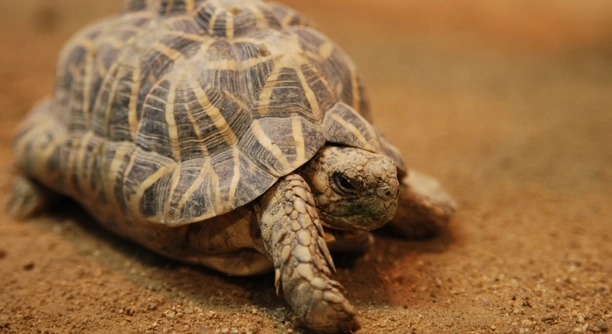
Indian Star Tortoises are known for their calm nature and are often kept as pets. Their diet is an essential part of their care, especially when they are grazing outdoors. Knowing which plants are safe for them is crucial.
There are several outdoor plants that are safe for Indian Star Tortoises to graze on. These include a variety of herbs, grasses, and other plants that provide essential nutrients without causing harm to your tortoise’s health.
Choosing safe plants can ensure your tortoise stays healthy and happy. There are many options that can thrive in outdoor environments while meeting your pet’s dietary needs. Keep reading to discover the best plants for them!
Safe Plants for Indian Star Tortoises to Graze On
When selecting plants for your Indian Star Tortoise to graze on, it’s important to focus on those that are both nutritious and safe. Many plants offer essential vitamins and minerals that support their digestive health. Some plants, like dandelions, are not only tasty but also high in fiber, helping maintain a healthy gut. Other safe options include various grasses, clover, and even certain flowers. These plants can provide a diverse, enriching diet without posing a threat to your tortoise. By offering a variety of safe options, your tortoise can enjoy a balanced, enjoyable meal.
Choosing plants that grow naturally in your local area can also simplify the process. Many plants that are native to your environment may already be safe for tortoises to eat. It’s important to avoid plants that are toxic or have been treated with pesticides, as these can be harmful to your pet. You’ll want to research specific species to ensure their safety.
For a balanced diet, mix a few different types of plants. Some plants are better at providing hydration, while others offer more fiber. Grasses like Bermuda and Timothy are excellent choices. You can also add clover and wildflowers like hibiscus. These plants can be offered fresh from your garden, allowing your tortoise to graze as needed. Just ensure the plants haven’t been exposed to chemicals or pollutants, as this could harm their digestive system.
Plants to Avoid for Your Indian Star Tortoise
Certain plants can be toxic to your Indian Star Tortoise. Avoid common garden plants like ivy, daffodils, and oleander. These plants contain chemicals that can cause poisoning or discomfort.
It’s crucial to check for any potential dangers when adding plants to your tortoise’s outdoor space. There are many plants that may look inviting but could pose serious risks. Plants like azaleas and certain varieties of lilies can be harmful. Always cross-check any unfamiliar plants and be mindful of where you place them. Your tortoise may wander into areas you don’t expect, so it’s a good idea to keep a watchful eye on them. By making sure they have access to safe options, you can avoid any unexpected health issues. Additionally, consult a veterinarian if you’re unsure about a particular plant. It’s better to be cautious when it comes to your tortoise’s well-being.
Benefits of Grass for Indian Star Tortoises
Grasses are a great food source for Indian Star Tortoises. They provide essential nutrients, like fiber, that help with digestion. Many tortoises enjoy grazing on grasses, making them a natural choice for a healthy diet.
Grasses like Bermuda grass and Timothy grass are high in fiber and help keep your tortoise’s digestive system in check. These grasses are easy to grow in your garden and can be offered fresh for your tortoise to graze on daily. The high fiber content supports a balanced diet, promoting gut health and maintaining a healthy weight. Additionally, grasses provide natural hydration, keeping your tortoise well-fed and comfortable outdoors.
Not only are grasses beneficial for digestion, but they also encourage natural foraging behavior in your tortoise. This helps keep them active and mentally stimulated. As grazing is an instinctual behavior for them, having fresh grass in their outdoor habitat mimics their natural environment. You can grow grasses in specific areas of their outdoor space to provide them with constant access to fresh, healthy food.
How to Grow Safe Plants for Your Tortoise
Growing safe plants for your tortoise involves a few simple steps. First, choose the right plants, ensuring they are non-toxic and safe. Then, plant them in an area where your tortoise has easy access.
Start by preparing the soil and ensuring proper sunlight and drainage for the plants. Some plants, like clover and dandelions, thrive in well-drained soil with moderate sunlight. These plants grow quickly and provide essential nutrients. For a healthier environment, rotate plants regularly to prevent overgrazing and maintain a steady supply of fresh food. You should also avoid using any pesticides or chemicals, as they can be harmful to your tortoise.
It’s also helpful to grow a variety of plants so your tortoise has different options to choose from. When introducing new plants to your tortoise’s diet, do it gradually to prevent any digestive upset. A diverse plant diet, with a mix of grasses, leaves, and flowers, will keep your tortoise’s diet varied and balanced. This approach not only helps maintain their health but also makes mealtime more enjoyable for your tortoise.
Wildflowers Safe for Indian Star Tortoises
Wildflowers can be a colorful and nutritious addition to your tortoise’s outdoor grazing area. Many wildflowers offer a range of vitamins and minerals, making them a healthy choice.
Flowers like dandelions and hibiscus are excellent for tortoises. They provide essential nutrients such as vitamin A, calcium, and antioxidants. These flowers are also rich in water content, helping keep your tortoise hydrated. You can grow them easily in a sunny part of your garden and ensure a continuous food supply for your pet.
When planting wildflowers, make sure they are free from harmful chemicals and pesticides. Not all flowers are safe, so always double-check before offering them to your tortoise. It’s best to grow a variety of flowers so your tortoise has plenty of options.
Grasses vs. Leafy Greens
Grasses and leafy greens offer different benefits for your tortoise. Grasses are high in fiber, while leafy greens provide vitamins and minerals essential for your tortoise’s overall health.
Leafy greens like kale and collard greens should be offered occasionally. They are rich in calcium and vitamins that support your tortoise’s bone health and immune system. However, too many leafy greens can upset the balance of their diet, so they should be given in moderation. Mixing them with grasses creates a well-rounded meal, providing all the essential nutrients your tortoise needs for healthy growth and digestion.
FAQ
What are some safe plants for my Indian Star Tortoise to eat?
Indian Star Tortoises can safely eat a variety of plants, including grasses, dandelions, clover, and hibiscus. These plants are rich in fiber, vitamins, and minerals, which help support their digestion and overall health. You can also offer other leafy greens like kale and collard greens, but they should be given in moderation. Always ensure that the plants you choose are free of pesticides and chemicals. It’s essential to provide a mix of plants to create a balanced diet for your tortoise.
Can I grow plants specifically for my tortoise?
Yes, growing plants for your tortoise is a great way to ensure they have access to fresh, safe food. Many plants, like clover and grasses, are easy to grow and thrive in outdoor environments. Just make sure you provide them with proper sunlight, well-drained soil, and plenty of space to grow. Keep in mind that some plants may need a little care and attention to thrive in your garden, but with proper care, they can provide your tortoise with a steady food source.
Are all wildflowers safe for Indian Star Tortoises?
Not all wildflowers are safe for Indian Star Tortoises. While some flowers like dandelions and hibiscus are great for them, others may be toxic. It’s important to research the specific wildflowers you plan to offer and ensure they are non-toxic. Avoid flowers that have been treated with pesticides or chemicals, as these can harm your tortoise. When in doubt, stick to well-known safe options like dandelions and hibiscus, and always check with a vet if you’re unsure about a particular plant.
How often should I let my tortoise graze on plants?
Allowing your tortoise to graze on plants throughout the day is important for their physical and mental health. Tortoises are natural grazers, so it’s essential to provide them with constant access to fresh plants. You can set up a designated grazing area in your garden where they can freely eat grasses, clover, and other safe plants. However, make sure to monitor them to ensure they’re not overgrazing a particular plant. Rotating the plants in their grazing area can help maintain a healthy and balanced diet.
Can I feed my tortoise store-bought greens?
While store-bought greens like lettuce and spinach are safe in moderation, they should not be the main part of your tortoise’s diet. These greens often lack the essential nutrients needed for a healthy tortoise. Stick to feeding your tortoise safe outdoor plants like grasses, clover, and dandelions, which provide a more balanced, natural diet. If you do offer store-bought greens, make sure they are free of pesticides and other harmful chemicals. It’s always best to offer a variety of fresh, natural plants that are safe for your tortoise to graze on.
Are there any plants that should be avoided?
Yes, there are several plants that are toxic to tortoises. Common plants to avoid include ivy, daffodils, azaleas, and oleander. These plants can cause serious health issues if ingested by your tortoise. Always double-check the plants in your garden and remove any that could be harmful to your pet. If you’re ever unsure about a plant’s safety, it’s best to research it thoroughly or consult with a veterinarian. Being cautious and informed is the best way to protect your tortoise from potential harm.
Can I give my tortoise fruit or vegetables?
Fruits and vegetables can be offered occasionally but should not make up the majority of your tortoise’s diet. Fruits like apples and berries can be a tasty treat, but they are high in sugar and should only be given in small amounts. Similarly, vegetables like carrots or cucumbers can be provided as occasional snacks. However, the primary diet of your tortoise should consist of grasses and safe plants to ensure they are getting the right balance of nutrients and fiber. Too much fruit or vegetable matter can lead to health issues like obesity or digestive problems.
How do I know if a plant is safe for my tortoise?
To determine whether a plant is safe for your tortoise, you should research the plant’s specific species to ensure it’s non-toxic. Many plants that are safe for humans and other pets are not safe for tortoises. There are also helpful resources, such as vet clinics and tortoise care websites, that provide lists of safe plants. When in doubt, consult a veterinarian familiar with reptile care. Avoid offering any plant that is not specifically known to be safe, as ingesting the wrong plant can lead to poisoning and other health complications.
How can I ensure my tortoise stays hydrated while grazing?
Providing fresh, clean water is essential to keeping your tortoise hydrated. While many plants, like grasses and dandelions, contain water, they are not a complete substitute for fresh water. Always ensure that your tortoise has access to a shallow water dish that they can easily drink from. If you live in a hot climate, you may need to check the water more frequently to ensure it stays fresh and cool. Proper hydration is vital for your tortoise’s health, so make sure water is always available.
Should I worry about overfeeding my tortoise?
Overfeeding your tortoise is a concern, especially with high-calcium plants or store-bought greens. While it’s important to provide your tortoise with enough food, you should avoid giving them excessive amounts of high-calcium plants, as this can cause health problems like kidney issues. Stick to offering a variety of plants in moderation, ensuring that they get enough fiber and nutrients. Regularly monitor your tortoise’s weight and adjust the amount of food if needed. A balanced diet with plenty of variety will help keep your tortoise healthy.
Final Thoughts
Taking care of an Indian Star Tortoise involves more than just providing a safe environment; it also requires attention to their diet. The plants your tortoise grazes on are essential to their health. By offering a variety of safe, nutrient-rich plants like grasses, clover, and dandelions, you can ensure they get the right vitamins and minerals. It’s important to focus on natural, pesticide-free options to avoid harming your tortoise. Choosing the right plants also helps maintain their digestive health, hydration, and overall well-being.
If you decide to grow your own plants, it’s a great way to ensure your tortoise always has fresh food available. Growing grasses like Timothy or Bermuda grass can provide a steady supply of food that mimics their natural diet. Wildflowers like hibiscus and dandelions can be added for variety, giving them more options to graze on. Just make sure to take care of the plants, ensuring they have proper sunlight, water, and soil. This will allow your tortoise to have a safe and consistent food source right in your backyard.
It’s also important to keep an eye out for any toxic plants. Many plants can harm your tortoise if consumed, so always double-check the ones in your garden. Avoid common harmful plants like ivy or daffodils and make sure your tortoise’s grazing area is free from these dangers. Regularly inspecting their environment will help ensure they are safe from harmful plants. A little research can go a long way in protecting your tortoise’s health and providing them with a balanced, enjoyable diet.

Hello,
If you enjoy the content that we create, please consider saying a "Thank You!" by leaving a tip.
Every little bit helps us continue crafting quality advice that supports the health, happiness, and well-being of pets around the world, for pets of all shapes, sizes, and species.
We really appreciate the kindness and support that you show us!