
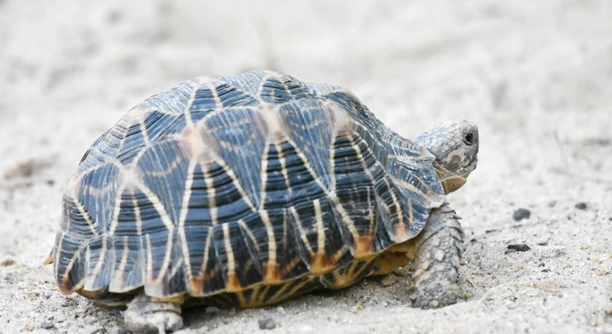
Indian Star Tortoises are fascinating pets, but when they refuse to bury their eggs, it can be concerning. Understanding the reasons behind this behavior will help you ensure your tortoise’s well-being.
The refusal to bury eggs in Indian Star Tortoises can stem from environmental factors such as inadequate nesting conditions, improper humidity, or temperature. Stress or health issues may also prevent the tortoise from engaging in natural egg-laying behaviors.
Knowing the reasons behind egg-laying issues is key to maintaining a healthy environment for your tortoise. Let’s explore the potential causes and how you can address them.
Environmental Factors That Affect Egg Burying
The environment in which your Indian Star Tortoise lives plays a huge role in how it behaves during egg-laying. Tortoises need a warm, dry area to dig and bury their eggs. If the temperature or humidity is off, it can cause stress and prevent the tortoise from engaging in the natural behavior of burying eggs. When the nesting area is too cold or too humid, the tortoise might not feel comfortable or safe enough to lay eggs properly. Providing a controlled environment with the right temperatures (around 80-85°F) and humidity is essential for encouraging natural egg-laying habits.
A common issue is when the tortoise has nowhere to dig. The substrate should be deep enough, ideally 4-6 inches, to allow the tortoise to bury its eggs properly. Without this, the eggs are left exposed, and the tortoise may avoid laying them altogether. Check your tortoise’s enclosure and make sure it has a suitable area with loose soil or sand for digging.
Creating the right environment in your tortoise’s habitat not only helps it feel safe but also reduces stress. A little adjustment could be the key to getting things back to normal, and your tortoise may start laying and burying eggs as it should.
Health Issues That Can Affect Egg Burying
Sometimes, a health issue might be the reason why your tortoise refuses to bury its eggs. If your tortoise is unwell or stressed, it can lead to behavioral changes, including skipping the natural process of egg-laying.
Health concerns such as metabolic bone disease (MBD) or other nutritional deficiencies can cause pain and discomfort, preventing the tortoise from digging or laying eggs. If you suspect this, it’s important to have a veterinarian check your tortoise for underlying health issues. Additionally, ensure your tortoise is getting the proper diet with calcium and vitamin D3 to support strong bones and healthy egg-laying.
Stress can also stem from changes in its environment, new pets, or loud noises. Anything that disrupts the tortoise’s comfort can lead to behavioral issues, including a reluctance to lay eggs properly. Reducing stressors in your tortoise’s life can go a long way in encouraging egg-laying behavior.
Incorrect Nesting Site
If your tortoise’s nesting site is not suitable, it will avoid laying and burying eggs. The site should be in a quiet, safe area, away from disturbances. If the spot is too exposed, the tortoise may not feel secure enough to lay its eggs.
A proper nesting site needs soft, loose substrate that allows the tortoise to dig and bury its eggs comfortably. Make sure the spot is not too close to the heat source, as extreme temperatures can stress the tortoise. Providing a natural, secluded environment where it feels safe and comfortable encourages proper egg-laying behaviors.
Tortoises need a quiet environment to feel secure when laying eggs. If there are distractions, like other pets or loud noises, it can make the tortoise anxious and less likely to bury its eggs. Consider isolating the tortoise during the laying process to allow for a more relaxed experience.
Temperature and Humidity Imbalance
Inconsistent temperature and humidity can make it difficult for your tortoise to feel comfortable enough to bury its eggs. An ideal range is about 80-85°F with a humidity level of 60-70%. Deviations from this range can cause stress and hinder egg-laying.
If the area is too warm, the eggs may dry out, making it hard for the tortoise to bury them. On the other hand, a too-cool environment may not encourage the tortoise to lay eggs at all. Ensuring the temperature and humidity are balanced can help the tortoise lay and bury eggs without difficulty. Keep track of these factors using a reliable thermometer and hygrometer.
A small heat lamp and proper humidity system can help regulate the conditions for nesting. If you’re having trouble maintaining the right environment, try adjusting the enclosure with more substrate, or add a humidifier for better humidity control. Temperature and humidity control should be a priority for egg-laying success.
Stress or Anxiety
Stress can stop your tortoise from laying and burying eggs. A change in its environment, like a new pet or relocation, can cause anxiety. Too many disturbances will make your tortoise hesitant to bury its eggs.
Stress also impacts health, so it’s important to avoid unnecessary changes in its surroundings. Keeping the enclosure calm and familiar will encourage the tortoise to feel safe and secure enough to lay its eggs. Create a peaceful, stable environment to help reduce anxiety and allow natural egg-laying behaviors to resume.
Poor Diet or Nutrition
A poor diet can lead to egg-laying problems. Tortoises need a balanced diet with enough calcium to support egg development. Without proper nutrition, egg-laying can become difficult or impossible.
Lack of calcium in the diet can cause metabolic bone disease, which affects egg-laying. It’s essential to provide calcium-rich foods and supplements to ensure the tortoise’s reproductive health. Regularly check your tortoise’s diet to ensure it is balanced and supports egg development and healthy behavior. A well-rounded diet will encourage natural egg-laying behaviors.
Lack of Privacy
Tortoises need privacy to feel comfortable during egg-laying. If they’re constantly being watched or disturbed, they might refuse to lay or bury their eggs.
Ensuring privacy can make a big difference. Try to isolate the tortoise from distractions, providing a more relaxed environment for egg-laying. A secluded nesting spot is crucial for proper egg-burying behavior.
FAQ
Why isn’t my Indian Star Tortoise laying eggs?
If your tortoise isn’t laying eggs, it could be due to environmental stress, improper temperature, or health issues. Check its habitat for the right temperature range (80-85°F) and humidity (60-70%). A lack of a proper nesting site can also prevent egg-laying. If these factors are all correct, health issues, like metabolic bone disease, could be to blame. Make sure it has access to a balanced diet, especially with adequate calcium. If the tortoise still isn’t laying eggs, consider consulting a vet.
How can I create a proper nesting site for my tortoise?
A proper nesting site should be soft, loose, and deep enough to allow your tortoise to dig and bury its eggs comfortably. Provide at least 4-6 inches of substrate like sand or soil in a quiet, secluded area of the enclosure. The area should also be away from heat sources to avoid temperature extremes. Ensure the site is not exposed to bright lights or noise, which could make your tortoise feel unsafe. A little privacy can go a long way in helping your tortoise feel comfortable laying its eggs.
Can stress affect my tortoise’s egg-laying behavior?
Yes, stress can cause your tortoise to avoid laying eggs. Environmental changes, such as moving to a new location, the introduction of new pets, or loud noises, can cause anxiety. Stress interferes with your tortoise’s natural behaviors, including egg-laying. Reducing these stress factors can help encourage egg-burying behavior. Ensure your tortoise’s habitat is quiet, calm, and free of disturbances. Keeping its environment familiar and stable is key to promoting relaxation and healthy egg-laying behavior.
How do I know if my tortoise is stressed?
Signs of stress in tortoises include refusal to eat, pacing in its enclosure, and avoiding egg-laying or burrowing. If your tortoise seems unusually aggressive or lethargic, these could also be indicators of stress. Stress can affect a tortoise’s overall health, so it’s important to address any changes in its behavior. It’s essential to provide a comfortable and predictable environment to minimize stress and encourage natural behaviors, like egg-laying. If these signs persist, consult a vet for further guidance.
Is there a way to encourage my tortoise to bury its eggs?
Yes, creating the right environment is key. Ensure that your tortoise has a quiet, secluded area to dig and bury eggs. The substrate should be deep and loose, so the tortoise can dig comfortably. Also, maintain proper temperature and humidity levels to reduce stress and encourage egg-laying. If your tortoise refuses to bury its eggs, check for any underlying health issues or stress factors in its environment. Consider giving your tortoise privacy during the egg-laying process to make it feel more secure.
Should I be worried if my tortoise isn’t burying its eggs?
Not necessarily, but it’s important to investigate why it’s happening. The refusal to bury eggs can sometimes be a natural behavior, especially if the tortoise feels it doesn’t have a safe place to do so. However, if it persists, environmental factors, diet, or health issues could be involved. It’s best to assess its living conditions and make adjustments. If you notice other signs of distress, like changes in appetite or behavior, a vet visit might be necessary to rule out health problems.
How long does it take for a tortoise to lay eggs?
The time it takes for a tortoise to lay eggs can vary. Typically, a tortoise will take several hours to lay and bury its eggs. During this time, the tortoise may dig and position itself in the nesting site before laying. After laying, the eggs will be covered with soil or sand. Be sure to monitor your tortoise during this time, offering privacy and ensuring the environment is calm and undisturbed. If the process seems prolonged or problematic, consider consulting a vet to check for any potential issues.
Can my tortoise lay eggs without a mate?
Yes, female tortoises can lay eggs even without mating. This is a natural process known as “infertile egg-laying.” A female tortoise may still produce and lay eggs if it’s of breeding age, even without the presence of a male. However, infertile eggs will not hatch. If you’re concerned about your tortoise’s egg-laying, ensure that its diet and environment are properly adjusted to meet its needs. Providing a good nesting site is essential for these natural egg-laying behaviors.
What should I do if my tortoise lays eggs but doesn’t bury them?
If your tortoise lays eggs but doesn’t bury them, it’s likely because it doesn’t have a suitable nesting area or the environment is not right. The substrate may be too hard or shallow, or there may be too much disturbance. Ensure the area is deep enough for digging and cover it with a calm, quiet environment. If your tortoise consistently refuses to bury its eggs, make adjustments to its enclosure and provide more privacy. Keep an eye on your tortoise’s health and overall behavior as well. If problems persist, seek professional advice.
Can egg-laying affect my tortoise’s health?
Egg-laying itself is usually not harmful to a healthy tortoise. However, issues such as egg-binding or laying infertile eggs can cause health problems. Egg-binding happens when the tortoise has trouble laying eggs due to a lack of calcium or other environmental factors. Ensure your tortoise has a balanced diet, proper humidity, and the right temperature for laying eggs. If your tortoise shows signs of distress, such as straining to lay eggs or loss of appetite, it’s important to consult a vet to address any potential complications.
Final Thoughts
When your Indian Star Tortoise refuses to bury its eggs, it can be frustrating, but understanding the potential causes can help you address the issue. The environment plays a big role in encouraging natural egg-laying behaviors. Factors like temperature, humidity, and the nesting site need to be carefully adjusted to ensure they are comfortable for your tortoise. Providing a quiet, secluded spot with the right substrate for digging is crucial. If these conditions are met, your tortoise may feel more secure and willing to lay and bury its eggs properly.
Stress is another important factor that can prevent egg-burying behavior. If there have been changes in your tortoise’s environment, such as new pets, noise, or movement, it may cause anxiety and discomfort. This can make the tortoise hesitant to lay eggs or engage in normal behaviors like burying them. Creating a calm and stable habitat with as little disturbance as possible will help reduce stress and encourage your tortoise to feel safe enough to lay its eggs. Monitoring its behavior and making small changes to improve its environment can go a long way in promoting egg-laying success.
Finally, don’t overlook the possibility of health issues affecting your tortoise’s ability to bury its eggs. A poor diet, lack of calcium, or other health concerns can lead to reproductive issues, including difficulty laying or burying eggs. Ensure that your tortoise is getting the proper nutrition to support its egg-laying process. If you continue to see problems with egg-laying behavior, it might be time to consult a veterinarian to rule out underlying health issues. With the right care and attention, your tortoise can return to healthy, natural behaviors, ensuring both its well-being and the proper care for its eggs.

Hello,
If you enjoy the content that we create, please consider saying a "Thank You!" by leaving a tip.
Every little bit helps us continue crafting quality advice that supports the health, happiness, and well-being of pets around the world, for pets of all shapes, sizes, and species.
We really appreciate the kindness and support that you show us!