
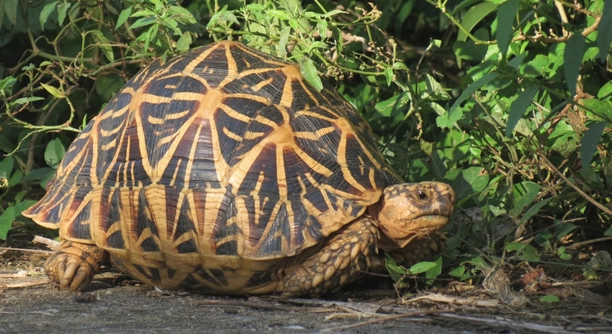
Indian star tortoises are fascinating creatures, especially when they are born. These hatchlings are unique in many ways, showcasing behaviors and features that set them apart from other turtle species. Their journey from egg to life is truly intriguing.
Indian star tortoise hatchlings exhibit an extraordinary combination of self-reliance and vulnerability. At birth, they already show remarkable survival instincts. These hatchlings are known for their distinct star-patterned shells, which provide natural camouflage and protection.
The more you learn about these tiny creatures, the more you’ll appreciate their resilience. Discovering the special characteristics of Indian star tortoise hatchlings helps us better understand how they thrive in the wild.
Unique Shell Patterns of Indian Star Tortoise Hatchlings
The most noticeable feature of Indian star tortoise hatchlings is their unique shell pattern. The intricate star-like shapes on their shells provide them with natural camouflage, helping them blend into their surroundings. This is an essential survival tactic in the wild. As they grow, the patterns become more defined, offering better protection. The design isn’t just for looks; it serves a critical purpose in keeping predators at bay. It’s quite remarkable how something as simple as a shell design can play such a big role in a hatchling’s survival.
In addition to protection, the shell patterns help hatchlings establish their identity. The distinct markings on each individual are unique, much like human fingerprints.
As they mature, their shell grows, with the star patterns becoming more pronounced. This development takes several years. The hatchlings may appear delicate at first, but their shells are tough enough to withstand a variety of challenges. The protective nature of their shells is one of the primary reasons why these tortoises have survived for so long in their native habitats.
The Role of Temperature in Hatching
Temperature plays a significant role in the hatching process of Indian star tortoises.
Hatchlings depend on temperature to determine how their bodies develop inside the egg. Warmer temperatures speed up the incubation process, while cooler temperatures slow it down. Understanding this helps researchers predict hatching times more accurately.
The eggs of Indian star tortoises require consistent warmth for optimal development. When the temperature fluctuates, it can affect the health and survival rate of the hatchlings. Even slight changes can result in deformities or complications during the hatching process. Therefore, keeping the eggs at a steady, warm temperature is essential for successful hatching. Once the hatchlings break free from their shells, they are already at a critical stage in their life. Ensuring the right temperature conditions from the start improves their chances of survival.
How Indian Star Tortoise Hatchlings Move
From the moment they hatch, Indian star tortoises begin to move instinctively. They often make slow but deliberate steps, using their strong legs and feet.
Despite their small size, hatchlings are surprisingly agile. They rely on their instinct to find shelter and food immediately after hatching. This instinct helps them survive in the wild, even though they are vulnerable at this stage. The way they move and explore their environment ensures they can escape potential threats. Their ability to move swiftly across different terrains helps them build the skills necessary for survival as they grow older.
The initial movements of Indian star tortoise hatchlings may seem awkward, but they are crucial. Their strong legs help them dig and burrow into the ground to stay safe. As they grow, their movements become more coordinated. This mobility ensures that they can adapt to different conditions in their environment. The hatchlings rely heavily on their movements to help them find warmth and shelter, which are essential for their survival.
Feeding Habits of Indian Star Tortoise Hatchlings
Hatchlings are born with the instinct to feed, and they start looking for food almost immediately.
Their diet mainly consists of grasses, flowers, and leaves. These simple yet nutritious foods are essential for their growth and development. The hatchlings will often graze throughout the day, feeding on various plants they encounter in their environment. As they grow, their diet evolves to include more vegetation, and they develop a preference for certain types of plants.
The feeding habits of Indian star tortoise hatchlings are closely tied to their natural instincts. They learn quickly what is edible and what might be harmful. Their sharp beaks are designed for slicing through tough vegetation, making it easier for them to consume a variety of plant material. These early feeding experiences help them develop the skills they need to thrive in their natural habitat. Additionally, their ability to forage efficiently allows them to grow stronger and healthier, ensuring that they survive their early years.
Survival Skills of Indian Star Tortoise Hatchlings
Hatchlings are equipped with survival instincts from birth. These instincts help them avoid predators and find food.
The ability to hide or blend into their environment is one of their main survival tactics. Their star-patterned shells act as camouflage, making them less visible to predators. Once hatched, they instinctively know to stay low to the ground and find shelter under plants or rocks.
This natural behavior ensures their safety during the early stages of life when they are most vulnerable. The hatchlings’ ability to remain still and hide gives them time to grow stronger before venturing out into more open areas. These behaviors are vital in ensuring they survive the first few months of their life.
The Role of the Mother’s Care
Unlike many animals, Indian star tortoises do not have extensive maternal care.
After laying their eggs, the mother typically leaves and does not provide further assistance. This leaves the hatchlings to fend for themselves once they emerge. However, the mother’s choice of nesting site plays an essential role in the hatchlings’ survival. She chooses a spot with enough warmth and safety for the eggs to incubate properly.
Once hatched, the young tortoises must quickly become independent. Their ability to survive largely depends on their instinctive behaviors and the environment around them. This lack of direct maternal care highlights the resilience and self-sufficiency of the species.
Lifespan of Indian Star Tortoise Hatchlings
Indian star tortoises can live a long life if they survive their early years.
While hatchlings are vulnerable to predation and environmental factors, they have the potential to live for several decades. They grow slowly, reaching maturity around 10 to 15 years of age. As adults, their long lifespan is aided by their ability to adapt to changing environments. The protective nature of their shells helps shield them from threats as they grow older.
FAQ
How long do Indian star tortoise hatchlings stay in their eggs?
Indian star tortoise eggs typically incubate for around 120 to 160 days, depending on the temperature. The warmer the temperature, the faster the hatching process. Hatchlings remain in their eggs until they are fully developed and ready to break free. This incubation period allows them to develop enough to survive outside the egg, giving them the best chance of survival when they emerge.
What are the main predators of Indian star tortoise hatchlings?
Hatchlings face a number of potential predators, including birds of prey, large mammals, and even other reptiles. Their small size makes them an easy target. The hatchlings rely on their natural camouflage to stay hidden. Once they are more developed and can move faster, their chances of evading predators improve.
Do Indian star tortoise hatchlings need water?
Yes, Indian star tortoise hatchlings need water to stay hydrated, especially as they are growing. They tend to drink water from shallow sources like small puddles or dew-covered plants. However, they do not spend much time in water and are mainly terrestrial creatures. The amount of water they drink depends on the temperature and the availability of moisture in their environment.
What do Indian star tortoise hatchlings eat?
At the start, Indian star tortoise hatchlings primarily feed on grasses, flowers, and leafy plants. They graze throughout the day, consuming different types of vegetation found in their environment. Over time, their diet may diversify to include more types of plants, including fruits and vegetables, depending on availability. A varied diet helps them grow strong and healthy, ensuring they get the necessary nutrients for survival.
How do Indian star tortoise hatchlings protect themselves from predators?
Indian star tortoise hatchlings use their shells for protection. The star-patterned design provides camouflage, helping them blend into the environment and avoid being seen by predators. If they feel threatened, they will instinctively retreat into their shells. This quick reaction helps them stay safe during their vulnerable early months. As they grow older and stronger, their shells continue to protect them from predators.
Are Indian star tortoise hatchlings social animals?
Indian star tortoise hatchlings are solitary creatures. They do not rely on others for protection or care, as they must immediately become self-sufficient after hatching. The hatchlings do not form groups and instead focus on finding food, shelter, and safety on their own. As they grow older, they may tolerate the presence of other tortoises, but they prefer solitude in the early stages of life.
How do Indian star tortoise hatchlings find food?
Once hatched, Indian star tortoise hatchlings begin to search for food right away. They use their sense of smell to locate edible plants like grasses and flowers. They instinctively know which plants are safe to eat and which ones could be harmful. Their strong jaws and beaks help them chew through tough vegetation, making it easier for them to find and eat food. This ability to forage is essential for their survival, as they rely on plants for most of their diet.
What happens if Indian star tortoise hatchlings can’t find food?
If hatchlings are unable to find food, they are at risk of malnutrition and dehydration, which can significantly reduce their chances of survival. In the wild, food can sometimes be scarce, so they rely on their instincts and survival skills to locate food. If they are unable to eat for a prolonged period, they will likely not survive. However, most hatchlings are capable of finding enough food in their natural habitat, where plants are abundant.
Can Indian star tortoise hatchlings be kept as pets?
Yes, Indian star tortoises can be kept as pets, but they require specific care. If you’re considering one as a pet, you need to provide them with the proper habitat, including access to a large outdoor space, a varied diet, and the right temperature conditions. It’s also important to check the local regulations, as some regions have restrictions on keeping these tortoises due to conservation concerns. Indian star tortoises are long-lived, so they require a commitment from their owners to ensure they thrive in captivity.
How can I tell if an Indian star tortoise hatchling is healthy?
A healthy Indian star tortoise hatchling will have a strong, well-formed shell with no signs of damage or deformities. Their eyes should be clear and alert, and they should be active and moving around. The hatchling should also have a good appetite and be feeding regularly. A lack of movement, appetite, or clear eyes could indicate health issues. Regular checks for signs of dehydration or malnutrition are important to ensure the hatchling’s well-being.
Do Indian star tortoise hatchlings have any special needs?
Indian star tortoise hatchlings have specific environmental needs. They require warmth, adequate shelter, and a safe space to move around. The temperature should be regulated to prevent it from being too cold or hot, as extreme temperatures can harm the hatchlings. Additionally, they need access to fresh food and water. If you’re caring for one, you’ll need to ensure their habitat mimics their natural environment as closely as possible to promote healthy growth and development.
Indian star tortoise hatchlings are fascinating creatures with many unique characteristics. From their distinctive star-patterned shells to their self-sufficient nature, these young tortoises stand out in the animal kingdom. Their survival instincts help them thrive, even though they are vulnerable during their early stages. The way they find food, protect themselves, and learn to move in their environment is truly remarkable. As they grow older, they continue to rely on their instincts, becoming stronger and more independent.
Taking care of these hatchlings, whether in the wild or in captivity, requires attention to their basic needs. Providing the right temperature, food, and shelter is essential for their survival and growth. In the wild, their shells offer protection, and their ability to blend into the environment gives them an advantage over predators. However, in captivity, ensuring they have the right habitat and diet is just as important. While they can live a long life if given the right conditions, it is essential to understand their specific care requirements.
In conclusion, Indian star tortoise hatchlings are resilient and self-reliant from the moment they hatch. Their natural abilities and instincts are key to their survival and growth. Whether you encounter them in the wild or keep them as pets, understanding their needs and behaviors is crucial. With the right care and attention, these hatchlings can grow into strong, healthy tortoises that live a long, fulfilling life.

Hello,
If you enjoy the content that we create, please consider saying a "Thank You!" by leaving a tip.
Every little bit helps us continue crafting quality advice that supports the health, happiness, and well-being of pets around the world, for pets of all shapes, sizes, and species.
We really appreciate the kindness and support that you show us!