
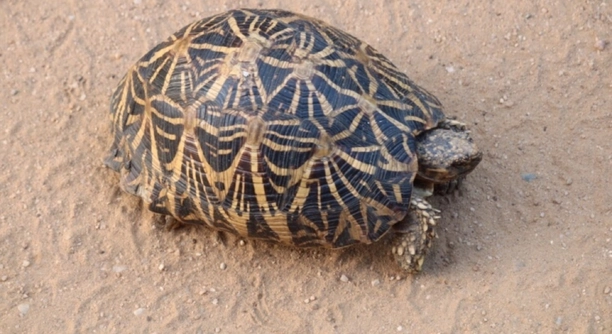
Indian Star Tortoises are fascinating pets, known for their unique patterns and calm demeanor. However, owners often notice strange behaviors, such as knocking over their hide. This behavior can be puzzling and may need some attention.
The most common reason your Indian Star Tortoise knocks over its hide is due to stress or a lack of comfort. The hide is meant to offer a sense of security, and if it doesn’t, the tortoise may push it aside to find a better spot.
Understanding this behavior is crucial in providing a better environment for your tortoise. Addressing stress and ensuring the habitat is set up correctly will help improve its well-being.
Common Causes for Knocking Over the Hide
Stress is a common reason your Indian Star Tortoise may knock over its hide. Changes in its environment, such as new lighting, temperature, or handling, can create feelings of discomfort. Tortoises rely on their hides for security, and when they feel threatened or unsettled, they may move or push them aside. Another cause could be an unsuitable hide. If the hide is too small, uncomfortable, or not secure enough, the tortoise may attempt to find a more suitable space. Additionally, if your tortoise is not properly acclimated to its environment, it may feel the need to constantly rearrange its space, looking for the perfect hiding spot.
It’s essential to regularly check your tortoise’s habitat for any potential stressors that might be affecting its behavior.
Addressing these issues promptly can prevent further disruptions in your tortoise’s routine. A stable, secure environment can significantly reduce the likelihood of the hide being knocked over repeatedly.
Improving the Hide Setup
A hide that is too small or not stable could make your tortoise feel insecure. Make sure the hide is large enough for your tortoise to turn around and rest comfortably. It should also be heavy enough that it doesn’t easily move when your tortoise nudges it. Choosing a hide that mimics a natural environment, such as a rock or log, can also provide a more secure and familiar setting for your tortoise. Proper placement is just as important; a hide that is placed in a quiet, low-traffic area will help your tortoise feel safe.
Improper humidity levels in the habitat can also lead to unwanted behavior. If the environment is too dry or too damp, it may affect your tortoise’s comfort, prompting it to move its hide in search of a more comfortable area. Make sure your setup maintains proper humidity levels.
By adjusting these elements, you can help your Indian Star Tortoise feel at ease.
Environmental Changes and Their Impact
Changes in the environment can cause stress for your tortoise. A shift in lighting, temperature, or humidity can make it feel unsafe, prompting it to move its hide. Even small changes, like rearranging the tank or adding new elements, might trigger this behavior.
Your tortoise needs consistency to feel secure. When the environment changes, it may respond by trying to adjust its surroundings. Ensure the enclosure remains stable and avoid unnecessary changes unless required for its health. A predictable environment helps your tortoise feel at ease.
The lighting is another key factor. If there’s too much or too little light, your tortoise may become unsettled. The temperature should also be regulated to mimic its natural habitat. If your tortoise is constantly moving its hide, it’s a sign that it feels uncomfortable with the setup.
Handling and Interaction
If your tortoise is handled too often or improperly, it might become stressed. Tortoises prefer a quiet, calm environment. Excessive handling can make them feel threatened, leading to unwanted behaviors like knocking over their hide.
Respecting your tortoise’s space is important. Only handle it when necessary, and avoid doing so if it appears stressed. Some tortoises are more sensitive to interaction, while others may tolerate it better. Learn to recognize the signs that your tortoise wants space.
Letting your tortoise approach you at its own pace will help build trust and reduce stress. If it seems to be knocking over its hide after handling, it may be a sign that it’s feeling overwhelmed. Give it time to adjust and calm down before interacting again.
Habitat Size and Space
A cramped space can cause your tortoise to feel stressed. If the enclosure is too small, it may push or knock over its hide in an attempt to find a better spot. Ensure there’s enough room for your tortoise to move freely.
A larger enclosure provides more opportunities for exploration and comfort. If your tortoise has enough space, it’s less likely to feel confined and act out. It’s also important to provide hiding spots in different areas of the habitat. This gives your tortoise more options to find a secure place when needed.
Diet and Feeding Routine
Your tortoise’s diet can also impact its behavior. Inconsistent feeding or a lack of proper nutrition may lead to restlessness. A balanced diet ensures that your tortoise remains healthy and calm.
Make sure you’re offering a variety of leafy greens and calcium supplements as needed. Regular feeding at set times helps establish a routine, contributing to a calmer and more settled tortoise.
FAQ
Why does my tortoise knock over its hide when I’m around?
Your tortoise might feel threatened when you’re nearby, especially if it’s not used to regular interaction. Tortoises are naturally shy creatures and need time to adjust. If it’s knocking over the hide in your presence, it could be signaling that it feels uneasy. Giving your tortoise more space and limiting handling can help it feel more comfortable.
Can I use a different type of hide for my tortoise?
Yes, you can. The hide should be secure and offer a sense of comfort. Many tortoises prefer hides that resemble natural shelters, such as rocks or logs. You can also try ceramic or plastic hides, but make sure they’re large enough for your tortoise to turn around and rest comfortably.
How often should I change my tortoise’s hide?
Generally, your tortoise’s hide should stay the same unless it’s damaged or too small. Changing the hide frequently can disrupt your tortoise’s sense of security. If you notice your tortoise consistently knocking over the hide, check its size and comfort level before making any changes.
Is knocking over the hide a sign of boredom?
Yes, it could be a sign that your tortoise is bored and looking for stimulation. Tortoises are curious creatures, and if their environment isn’t offering enough activity or exploration, they may start moving or knocking things over to entertain themselves. Adding different textures or objects to their enclosure can help.
How can I stop my tortoise from knocking over its hide?
First, ensure that the hide is properly sized, secure, and in a calm area of the enclosure. Avoid handling your tortoise too much, as it may feel stressed by constant attention. Check that the habitat’s temperature, humidity, and lighting are appropriate. If the hide is too small, consider upgrading to a larger, more stable one.
Could my tortoise be knocking over the hide due to health issues?
Health problems could cause unusual behavior. If your tortoise seems lethargic, refuses to eat, or shows signs of discomfort, it’s a good idea to consult a veterinarian. Illnesses can make a tortoise more restless and agitated, and it might knock over its hide in an attempt to feel better or find comfort.
Is knocking over the hide a normal behavior?
In some cases, yes. Tortoises may move or rearrange their hide as they search for a more comfortable spot. However, if the behavior becomes frequent or excessive, it’s important to investigate other potential causes, such as stress, an inadequate habitat, or health issues.
How do I know if my tortoise is stressed?
Signs of stress in a tortoise include frequent hiding, excessive movement, loss of appetite, or aggression. Stress can also cause them to knock over their hide as they search for a better, safer space. It’s important to regularly monitor the environment and behavior of your tortoise to spot early signs of stress.
Can I use a larger hide to prevent this behavior?
A larger hide might help reduce this behavior, especially if the current hide is too small or insecure. A hide that provides plenty of room will make your tortoise feel more at ease. However, the hide should also be stable so that it doesn’t move around easily when your tortoise interacts with it.
Should I be worried if my tortoise knocks over its hide every day?
If the behavior happens daily, it’s worth assessing the situation. Frequent knocking over could indicate an underlying issue like stress, an unsatisfactory environment, or discomfort. Try adjusting the temperature, lighting, or hide placement, and make sure your tortoise’s diet is balanced. If the problem persists, it’s a good idea to consult with a veterinarian.
Can I give my tortoise a hide with a door or cover?
Tortoises tend to prefer open hides where they can freely enter and exit. A door or cover could limit their movement and may make them feel trapped or stressed. Choose a hide that’s open and easy to access, allowing your tortoise to come and go as it pleases.
How can I improve the stability of my tortoise’s hide?
To improve the stability of the hide, make sure it’s heavy enough to prevent it from being easily tipped over. You can also secure it to the substrate using non-toxic materials like aquarium-safe silicone or place rocks around the hide to anchor it in place. The more stable the hide, the less likely your tortoise will push it over.
What other factors could make my tortoise feel uncomfortable in its habitat?
Several factors could lead to discomfort, including poor lighting, improper temperature, or humidity levels that are too high or low. Inconsistent feeding, lack of hiding spots, or too much human interaction can also contribute to stress. Creating a stable, quiet, and comfortable environment will help alleviate many of these issues.
Final Thoughts
Understanding why your Indian Star Tortoise keeps knocking over its hide is crucial to providing a better environment for it. This behavior often stems from stress or discomfort within its habitat. Tortoises rely on their hides as safe spaces, and if something in their environment makes them feel uneasy, they may react by moving or tipping over their hide. Common causes can include changes in temperature, humidity, lighting, or even the size and stability of the hide itself. By identifying these triggers, you can take steps to create a more stable and comfortable space for your tortoise.
It’s important to focus on maintaining a consistent environment for your tortoise. Sudden changes, such as new objects in the enclosure, handling too frequently, or adjusting the habitat’s temperature, can all cause stress. Ensure that your tortoise has enough space to move around and explore. A larger enclosure with multiple hiding spots can offer more options for your tortoise to feel safe. Keeping the hide in a quiet area and making sure it’s stable and appropriately sized will also contribute to your tortoise’s comfort. Regularly monitoring the enclosure’s temperature and humidity is also key to creating an ideal living environment.
Lastly, remember that your tortoise’s behavior might also be a sign of something deeper, like health issues. If your tortoise is consistently knocking over its hide despite making changes to its habitat, it may be a good idea to consult a veterinarian. Stress-related behavior should improve with the right adjustments, but if it doesn’t, an underlying health problem could be the cause. By providing a secure and balanced environment, you can help your tortoise feel comfortable and less likely to engage in disruptive behaviors.

Hello,
If you enjoy the content that we create, please consider saying a "Thank You!" by leaving a tip.
Every little bit helps us continue crafting quality advice that supports the health, happiness, and well-being of pets around the world, for pets of all shapes, sizes, and species.
We really appreciate the kindness and support that you show us!