
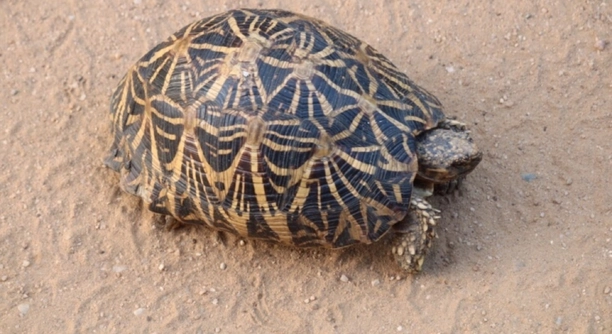
As the winter months approach, it’s important to make adjustments to your Indian star tortoise’s diet to ensure they stay healthy and comfortable during this season.
During winter, the metabolism of your Indian star tortoise slows down due to cooler temperatures, which means they need fewer calories. Reducing the amount of food while still providing essential nutrients can help them maintain a healthy weight and energy level.
By making small changes to your tortoise’s diet, you can keep them thriving during the colder months. Understanding these dietary shifts will help you care for them all year round.
Understanding Your Tortoise’s Winter Needs
As temperatures drop, your Indian star tortoise’s natural behavior shifts. In the wild, they slow down and reduce their food intake during winter months. Since indoor tortoises aren’t exposed to the same environmental cues, it’s important to create similar conditions for them. During this time, they don’t need as much food, but they still require proper nutrition. A balanced diet can help prevent any health issues related to reduced activity levels. Adjusting the amount and type of food you offer will ensure your tortoise’s well-being during the cold season.
For a healthy tortoise, focus on providing high-fiber vegetables like dandelion greens, collard greens, and endive. You can also offer small amounts of fruit such as apples or pears to supplement their diet.
Make sure their food is fresh and free from pesticides or chemicals. This helps maintain a healthy gut and supports your tortoise’s immune system. By taking these simple steps, you’ll keep your tortoise in great condition throughout the colder months.
Proper Supplementation and Hydration
It’s just as important to ensure your tortoise stays hydrated during the winter. Since they are less active and might not drink as much, you should offer water more frequently. You can soak your tortoise in shallow, warm water a few times a week to encourage hydration. Additionally, providing calcium supplements will help maintain strong bones, especially if your tortoise is less exposed to sunlight during this season.
While tortoises might eat less in the winter, their nutritional needs remain essential. Offering supplements such as calcium and vitamin D3 can prevent issues like shell deformities and bone weakness. These supplements help them maintain proper bone structure, particularly when they aren’t getting enough natural sunlight for vitamin D3 production. Keep the food variety limited to reduce the risk of overfeeding or making your tortoise too full.
Adjusting Food Portions for Winter
During winter, your Indian star tortoise will need smaller food portions. Their metabolism slows down, so it’s important not to overfeed them. Reducing food intake helps prevent obesity, especially since they are less active. Focus on offering smaller, nutrient-rich meals to keep them healthy.
Feed your tortoise every other day instead of daily. This will ensure they’re getting the right amount of food without overeating. Stick to leafy greens and avoid high-calcium foods like spinach or kale, which can cause health issues over time. Adjusting the portions will help keep their weight in check.
It’s important not to completely eliminate food. A small, balanced amount is still needed to maintain their overall health. Make sure the food is appropriate for their dietary needs and avoid high-protein foods, as they might cause kidney stress. Less frequent, smaller portions help simulate their natural eating pattern during colder months.
Providing a Comfortable Environment
Your tortoise’s living environment also plays a big role in adjusting their diet. If it’s too cold, they might stop eating altogether, leading to health risks. Keep their habitat at a temperature range of 75-85°F to support digestion and appetite. A consistent temperature allows them to feel comfortable enough to eat.
Ensure that your tortoise has a warm spot to bask in. You can use heat lamps to create a warm area, especially for those colder nights. Make sure to monitor the temperature regularly to avoid any sudden drops. A comfortable environment helps them stay healthy, even in winter.
By providing a warm, stable habitat, you can help your tortoise maintain its eating habits and overall well-being. Additionally, make sure the enclosure is clean to reduce stress. A comfortable living space is just as crucial as the food you provide.
Monitoring Weight and Health
It’s important to keep an eye on your tortoise’s weight during winter. A slow metabolism can lead to unintentional weight loss or gain. Weigh them regularly to track any significant changes. This will help ensure that they stay healthy during the colder months.
If you notice your tortoise losing weight, try offering slightly more food, especially high-fiber greens. If they’re gaining weight, reduce their portions and avoid fatty or high-protein foods. Regular monitoring is key to maintaining their health and adjusting their diet when necessary.
Safe Food Storage
Make sure to store your tortoise’s food properly to avoid spoilage. Keep vegetables and fruits in a cool, dry place or the fridge, and use them within a few days. This will ensure your tortoise is eating fresh and nutritious food.
Proper food storage reduces the risk of harmful bacteria and mold growth. If you’re offering fruits like apples or pears, remove any seeds, as they may contain toxins. Clean all produce thoroughly to avoid pesticides. Fresh food will help keep your tortoise’s digestive system healthy during winter.
Offering Variety in Diet
Even during winter, it’s important to provide your tortoise with a variety of foods. This helps them get a broader range of nutrients. Rotate the types of greens and vegetables to ensure they get what they need without relying too heavily on one food item.
By offering different foods, you prevent nutritional deficiencies. Stick to safe, seasonal options like dandelion greens, endive, and some grass hay. You can also provide small amounts of fruit, but limit these to avoid excess sugar. A varied diet supports long-term health.
FAQ
What should I feed my Indian star tortoise during winter?
During winter, your tortoise’s diet should consist mainly of high-fiber vegetables like dandelion greens, collard greens, and endive. You can also offer small amounts of fruits like apples or pears. Avoid high-protein foods like lettuce or spinach, as these can upset their digestive system and cause kidney problems. Offering a variety of vegetables ensures that they get the essential vitamins and minerals they need while keeping their intake low due to their slower metabolism.
Can I feed my tortoise fruits during winter?
Yes, but fruits should only be given in moderation. Since fruits have higher sugar content, you don’t want to overdo it. Offering small pieces of apples, pears, or berries will help satisfy their appetite without overloading them with sugar. It’s important to rotate fruit offerings to keep things interesting while still focusing on leafy greens.
How often should I feed my tortoise during winter?
During winter, feed your tortoise every other day instead of daily. Their metabolism slows down in colder temperatures, so they don’t need as much food. Smaller meals help prevent obesity and keep them healthy without overloading their system. Monitor their weight regularly and adjust portions accordingly.
How can I tell if my tortoise is eating enough?
Monitor your tortoise’s weight regularly. If they seem to be losing weight, you may need to increase their food portions, especially their leafy greens. On the other hand, if they’re gaining too much weight, reduce portions and focus on lower-calorie foods like grasses or hay. Pay attention to their activity levels as well. If they are still moving around and basking, it’s a good sign they’re eating enough.
Should I use a heat lamp during winter?
Yes, a heat lamp is important to maintain a warm environment for your tortoise. It should provide a basking area with a temperature range of 75-85°F. If it’s too cold, your tortoise might not eat, and if it’s too hot, they could overheat. Proper temperature regulation will help them digest food better and remain active, even in winter.
How can I prevent my tortoise from getting too cold?
Ensure your tortoise’s enclosure maintains a stable temperature. Use heat lamps, ceramic heaters, or heating pads to create a warm basking area. Be sure the temperature doesn’t drop below 70°F at any point during the night. If you have a large enclosure, use a thermometer to check temperatures in different spots to ensure consistent warmth.
Can I hibernate my Indian star tortoise during winter?
Indian star tortoises are not true hibernators, but they do enter a state of brumation during the colder months. It’s important to make adjustments to their diet and environment rather than forcing them into a deep hibernation. Ensure they have a slightly cooler space to rest but monitor them to make sure they’re not fully inactive for long periods. If they stop eating completely or become overly lethargic, consult a vet.
Is it okay to feed my tortoise high-calcium foods in winter?
While calcium is essential for your tortoise’s health, too much calcium during winter can cause problems. Avoid foods like spinach, kale, or clover that are high in calcium. Instead, stick to more balanced options like dandelion greens or grasses, which provide a more suitable level of calcium for the colder months.
How can I tell if my tortoise is dehydrated?
Dehydration can be a problem if your tortoise isn’t drinking enough water. Signs of dehydration include sunken eyes, dry skin, and lethargy. If you notice these signs, offer your tortoise warm, shallow baths to encourage them to drink and stay hydrated. You can also soak their food to increase moisture intake.
What should I do if my tortoise stops eating during winter?
If your tortoise stops eating during winter, don’t panic right away. Reduced appetite can be normal during cooler months. However, if they’ve stopped eating for more than a few days or show signs of weakness, it’s time to check their environment. Ensure their habitat is warm enough and their food is fresh. If the issue persists, consider visiting a vet to rule out any health issues.
Should I continue to offer variety in their diet during winter?
Yes, variety is important year-round. While your tortoise’s appetite may decrease in winter, offering a mix of vegetables and a small amount of fruit will help ensure they get a range of nutrients. A varied diet also prevents boredom and ensures they’re getting the vitamins and minerals they need to stay healthy. Rotate greens and other safe foods to provide a balanced diet.
Can I use supplements during winter for my tortoise?
Yes, calcium and vitamin D3 supplements are important to use during winter. Since your tortoise may not be able to get natural sunlight, vitamin D3 supplements help support calcium absorption. You can sprinkle a calcium powder on their food or offer calcium-rich food in moderation. Always follow the recommended dosages to avoid over-supplementation.
How much light does my tortoise need during winter?
Your tortoise still needs access to UVB light during winter to help produce vitamin D3 and absorb calcium. Use a UVB light for 10-12 hours a day to mimic natural sunlight. If you live in a location with little natural sunlight during winter, artificial UVB light is crucial to their health.
Final Thoughts
Taking care of your Indian star tortoise during the winter months requires a few key adjustments to their diet and environment. As temperatures drop, their metabolism slows down, which means they won’t need as much food. Reducing their food intake is important to prevent overfeeding and obesity. Focus on offering high-fiber vegetables and a small amount of fruit. It’s also essential to provide proper hydration to keep them healthy during the colder months. Regularly monitoring their weight will help you make sure they’re not gaining or losing too much. Keeping track of their diet and physical condition will ensure that they are getting what they need without overdoing it.
Providing the right environment is just as crucial. Make sure your tortoise’s enclosure stays warm and comfortable. Use a heat lamp to maintain a temperature range of 75-85°F, ensuring they can bask and digest food properly. Consistency is key when it comes to temperature, so be sure to check the enclosure regularly. Also, remember that tortoises need access to UVB light during winter to help them absorb calcium and stay healthy. With the right habitat setup, your tortoise will be able to stay active and eat comfortably during the colder months.
Lastly, while it’s tempting to feed them treats or extra portions during winter, always stick to a balanced diet. Avoid feeding them too many high-calcium foods, as these can cause health problems. It’s easy to overfeed them in the colder months because they’re not as active, but moderation is important. By adjusting their diet, offering the right supplements, and maintaining a stable living environment, you’ll be helping your tortoise stay healthy and comfortable throughout the winter. Keeping things simple and consistent will give them the best chance at staying happy and thriving in the colder season.

Hello,
If you enjoy the content that we create, please consider saying a "Thank You!" by leaving a tip.
Every little bit helps us continue crafting quality advice that supports the health, happiness, and well-being of pets around the world, for pets of all shapes, sizes, and species.
We really appreciate the kindness and support that you show us!