
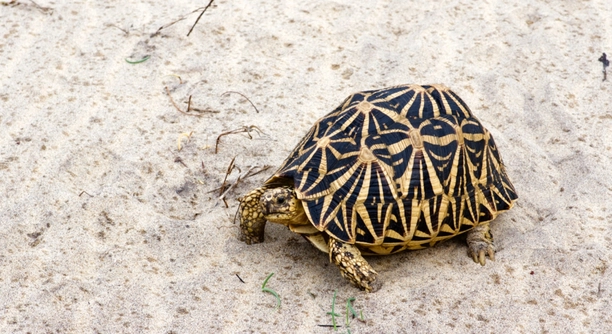
Indian star tortoises are beloved pets known for their beautiful shells and calm demeanor. However, they require special care to stay healthy, including proper nutrition. Vitamin deficiencies can affect their well-being and may lead to serious health issues.
Vitamin deficiencies in Indian star tortoises often manifest through visible signs such as poor shell quality, lethargy, or irregular growth. Ensuring a balanced diet with the right vitamins is crucial for preventing these issues and promoting overall health.
Recognizing the signs of vitamin deficiency early can help keep your tortoise happy and healthy. Understanding these symptoms is key to providing the best care for your pet.
1. Lack of Vitamin A: Impact on Vision and Shell Health
Vitamin A is crucial for maintaining good vision and healthy skin, which includes the shell of your tortoise. When your Indian star tortoise doesn’t get enough Vitamin A, it can develop eye problems and even have difficulty closing its eyes. Their shells might become soft or deformed. Without proper nutrition, the immune system can weaken, making the tortoise more vulnerable to infections.
Shell deformities are a major concern in tortoises lacking enough Vitamin A. This can result in the shell becoming soft, with irregular growth patterns. The body also struggles to fight off infections, leading to overall poor health. This is why Vitamin A is one of the key vitamins to monitor in your tortoise’s diet.
To ensure your tortoise gets enough Vitamin A, you can offer foods like leafy greens, carrots, and bell peppers. These are good sources of the vitamin and can help support their eye health and shell strength.
2. Vitamin D Deficiency: Problems with Calcium Absorption
Vitamin D plays a vital role in helping tortoises absorb calcium, which is essential for a strong shell and bones. Without sufficient Vitamin D, your tortoise may struggle to process calcium, leading to soft shells and potential bone deformities. Vitamin D also helps maintain a healthy immune system, which is crucial for overall health.
When tortoises do not receive enough Vitamin D, you may notice that their shells become soft or even develop abnormal growths. This deficiency can also result in metabolic bone disease, where bones become brittle and fragile. The lack of calcium in their diet further weakens their bones, making them more prone to fractures or other health issues.
A simple way to prevent this issue is by providing UVB light exposure, which helps the tortoise produce Vitamin D naturally. You can also supplement their diet with foods like dandelion greens, which provide a good source of this vital vitamin.
3. Vitamin E Deficiency: Weakening the Immune System
Vitamin E is a powerful antioxidant that helps protect cells from damage and supports the immune system. If your tortoise is not getting enough Vitamin E, it can lead to weak immunity, making them more prone to infections and illnesses. It can also cause muscle weakness, affecting movement.
Weakness in the muscles and poor overall health are clear signs that your tortoise may need more Vitamin E. They may become lethargic and may have difficulty moving around. In severe cases, Vitamin E deficiency can lead to neurological issues. To prevent these issues, Vitamin E must be incorporated into their diet consistently.
You can boost your tortoise’s Vitamin E intake by adding leafy greens like kale, collard greens, and turnip greens to their diet. These vegetables are packed with nutrients that help support muscle health and the immune system. Additionally, you can include fruits like papaya, which are also high in Vitamin E.
4. Vitamin C Deficiency: Affects Growth and Wound Healing
Vitamin C is essential for the overall health of your tortoise, especially for tissue repair and growth. Without enough Vitamin C, their ability to heal wounds or grow properly can be significantly hindered. This deficiency also weakens the immune system, leaving them more susceptible to diseases.
When your tortoise suffers from Vitamin C deficiency, you may notice slow or stunted growth. Wounds might take longer to heal, or they may not heal properly at all. The lack of this vitamin also compromises their immune system, leading to further health complications.
To avoid this, offer fruits and vegetables like oranges, strawberries, and bell peppers. These are rich in Vitamin C and can be easily included in their diet. You can also consider Vitamin C supplements if necessary. Regularly providing these will support your tortoise’s healing process and growth.
5. Vitamin B Deficiency: Impact on Appetite and Metabolism
B vitamins are important for maintaining energy levels and a healthy metabolism. A lack of these vitamins can cause a decrease in appetite, sluggish behavior, and digestive issues. Without them, your tortoise may seem uninterested in food or appear fatigued.
Vitamin B deficiencies can lead to poor digestion, resulting in constipation or lack of appetite. Without proper nourishment, they may also experience slower growth or even weight loss. A tortoise with low B vitamin levels might seem lethargic and not as active as usual, signaling an issue with their metabolism.
Adding foods like leafy greens, beans, and peas to their diet can help boost B vitamin intake. Additionally, certain supplements formulated for reptiles can support your tortoise’s metabolism. It’s essential to address this early, as a well-balanced diet plays a critical role in their long-term health.
6. Calcium Deficiency: Weak Bones and Shell Issues
Calcium is vital for your tortoise’s bone strength and shell development. Without enough calcium, your tortoise may develop soft or malformed shells. It also affects bone density, leading to fragile bones that can break easily. Ensuring calcium intake is crucial for maintaining overall skeletal health.
When calcium levels are low, you may notice your tortoise’s shell becoming softer or thinner. Bone deformities and growth issues might also appear. Calcium deficiency can also lead to metabolic bone disease, a condition that causes the bones to weaken further and may even cause fractures.
To prevent calcium deficiency, provide leafy greens like collard greens, mustard greens, and turnip greens. Calcium supplements can also be added to their food. Proper UVB lighting will help your tortoise absorb calcium more efficiently, promoting strong, healthy bones.
7. Phosphorus Imbalance: Disrupting Calcium Absorption
Phosphorus works closely with calcium, and an imbalance between the two can disrupt calcium absorption in your tortoise. If the phosphorus levels are too high or too low, it can interfere with bone health and lead to issues such as soft shells and weakened bones.
Tortoises with an excess of phosphorus may struggle to absorb enough calcium, leading to poor bone development and abnormal shell growth. Over time, this imbalance can result in bone deformities and overall poor health. Monitoring both phosphorus and calcium levels in your tortoise’s diet is key to preventing these issues.
Feeding your tortoise a balanced diet with the right ratio of calcium to phosphorus is essential. Foods like dandelion greens and clover provide the necessary nutrients in appropriate amounts, ensuring healthy bones and a strong shell. Supplements can help balance these levels if needed.
8. Iron Deficiency: Poor Blood Health and Weakness
Iron is essential for the production of red blood cells, and without it, your tortoise may suffer from anemia. This can lead to lethargy, weakness, and a loss of appetite. Iron also plays a role in oxygen transport, which affects overall energy levels.
Low iron levels may cause your tortoise to appear weak, pale, or uninterested in food. A lack of energy and the inability to engage in normal activities is a major sign of iron deficiency. If left untreated, this deficiency can lead to long-term health issues.
To prevent iron deficiency, feed your tortoise foods such as spinach, kale, and beet greens. These are great sources of iron and can help maintain healthy blood circulation. Keep an eye on your tortoise’s overall energy levels to detect any early signs of weakness or fatigue.
FAQ
What should I feed my Indian star tortoise to avoid vitamin deficiency?
A balanced diet is key to preventing vitamin deficiencies in your tortoise. You should offer a variety of leafy greens, such as kale, dandelion greens, and collard greens. Additionally, vegetables like carrots and bell peppers are excellent sources of vitamins A and C. Fruits like strawberries and papaya can provide extra vitamins, including Vitamin C, while providing a tasty treat. It’s also important to provide calcium-rich foods like clover and mustard greens. Ensure your tortoise gets UVB light to help absorb calcium effectively. A good diet will prevent many health issues related to vitamin deficiency.
How can I tell if my tortoise is suffering from a vitamin deficiency?
Signs of vitamin deficiency can vary depending on the specific nutrient lacking. A tortoise with Vitamin A deficiency may have swollen or dry eyes and a soft or deformed shell. A lack of Vitamin D can cause a weak shell and brittle bones. If your tortoise is lethargic, has a poor appetite, or is growing slower than usual, they might be suffering from a vitamin deficiency. Keep an eye on your tortoise’s behavior and shell condition for early signs of nutritional issues. If you notice unusual changes, consult a veterinarian to confirm the deficiency.
What is the best way to provide UVB light for my tortoise?
UVB light is crucial for your tortoise to absorb calcium and maintain healthy bones. To provide UVB light, place a suitable UVB bulb above your tortoise’s habitat. The light should be placed at a distance of 6-12 inches from the tortoise, depending on the bulb’s strength. Make sure to use a high-quality UVB light that emits both UVB and UVA rays, which help with calcium absorption and regulate their natural behavior. Replace the UVB bulb every 6 to 12 months, as it loses effectiveness over time, even if it still appears to be working.
How often should I supplement my tortoise’s diet with vitamins?
It’s important to offer a variety of natural foods that already contain essential vitamins, but supplementation can be beneficial if you notice signs of deficiencies or if your tortoise isn’t getting a balanced diet. Generally, you can add supplements a few times a week, especially calcium and Vitamin D3. Make sure not to over-supplement, as this can lead to other health issues. It’s always best to check with a veterinarian before introducing supplements regularly to ensure you are meeting your tortoise’s specific nutritional needs.
Can I feed my tortoise fruit every day?
Fruits should be fed in moderation. While they provide essential vitamins, especially Vitamin C, they can also be high in sugar. Too much fruit can upset your tortoise’s digestive system and lead to weight gain or shell problems. Offer fruit as an occasional treat rather than a daily food. Stick to a diet mainly consisting of leafy greens, grasses, and some vegetables to ensure a well-rounded and healthy diet. Always remove any uneaten fruit after a few hours to avoid spoilage.
How can I improve my tortoise’s shell health?
To improve your tortoise’s shell health, provide a diet rich in calcium, Vitamin D, and other essential nutrients. Calcium is especially important for shell development and hardening. Offer calcium-rich foods such as clover, dandelion greens, and certain types of squash. Make sure your tortoise has access to natural sunlight or UVB light to help with calcium absorption. Regular hydration, a proper diet, and occasional calcium supplements can all support shell health. If the shell appears soft or deformed, consult a veterinarian to address any underlying health issues.
What are the most common signs of calcium deficiency in tortoises?
Calcium deficiency is a serious concern for tortoises and can lead to soft, deformed shells and weakened bones. If your tortoise’s shell feels soft or is growing abnormally, this could be a sign of calcium deficiency. They may also show signs of lethargy, difficulty moving, or even fractures. If you notice any of these signs, it’s important to adjust their diet immediately to include calcium-rich foods or supplements. Regular access to UVB light will help them absorb calcium more effectively.
How can I prevent my tortoise from becoming lethargic?
Lethargy can result from many factors, including vitamin deficiencies, improper temperature, or an inadequate diet. To prevent lethargy, ensure your tortoise’s environment is the right temperature with a basking area and cooler zones. Provide a varied diet, including plenty of fresh vegetables, fruits, and leafy greens to ensure they’re getting the nutrients they need. Avoid over-supplementing and check for any signs of illness. If lethargy persists, it may be time to consult a veterinarian for further advice.
Is it safe to feed my tortoise foods like lettuce or spinach?
Lettuce is generally safe for tortoises but should be given sparingly since it has little nutritional value and can be high in water content, which may cause diarrhea. Spinach, on the other hand, contains oxalates that can bind to calcium and prevent absorption, so it should be fed occasionally and not as a main staple. Offering a variety of leafy greens is the best way to provide balanced nutrition while avoiding the risks associated with feeding too much of any one food.
Can I feed my tortoise meat or animal protein?
Tortoises are primarily herbivores and should have a plant-based diet. While some species may eat small amounts of insects or other animal protein, the Indian star tortoise does not typically require meat. Feeding them animal protein regularly can lead to health issues, such as kidney problems. Stick to providing leafy greens, fruits, and vegetables, as these will meet most of their nutritional needs. If you’re unsure about specific food items, always research before introducing them into their diet.
Taking care of an Indian star tortoise requires attention to its diet and overall health, especially when it comes to preventing vitamin deficiencies. These tortoises rely on a balanced diet to maintain a strong shell, healthy bones, and a properly functioning immune system. Ensuring they receive essential vitamins such as A, D, E, and C, along with calcium and other nutrients, is key to their long-term health. A diet that includes a variety of leafy greens, vegetables, and fruits, along with appropriate supplements when needed, can help prevent many common health issues.
In addition to a proper diet, environmental factors also play a significant role in your tortoise’s health. UVB light is crucial for the absorption of calcium, and it should be provided regularly, either through direct sunlight or a quality UVB bulb. This helps prevent metabolic bone disease and other bone-related issues. Temperature regulation in the tortoise’s enclosure is also important, as it affects digestion and overall well-being. With the right care, your tortoise can thrive and live a healthy, happy life.
Finally, regular observation is important. Monitoring your tortoise’s behavior, shell condition, and overall activity level can help you spot early signs of nutritional deficiencies or health problems. If you notice any unusual changes, such as lethargy, poor shell quality, or lack of appetite, it’s best to consult a veterinarian. Proactive care and adjustments to their diet and environment will ensure that your Indian star tortoise stays healthy and continues to enjoy a comfortable life.

Hello,
If you enjoy the content that we create, please consider saying a "Thank You!" by leaving a tip.
Every little bit helps us continue crafting quality advice that supports the health, happiness, and well-being of pets around the world, for pets of all shapes, sizes, and species.
We really appreciate the kindness and support that you show us!