
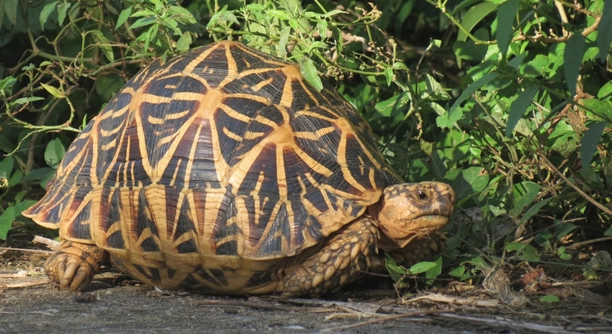
Paragraph 1 (35 words):
If you’ve noticed your Indian Star Tortoise shaking its head, you might be curious about the cause. Understanding this behavior can help you provide better care and ensure your tortoise stays healthy and happy.
Paragraph 2 (40 words):
Head shaking in Indian Star Tortoises is often caused by respiratory infections, stress, or environmental factors. It may indicate discomfort or irritation in the turtle’s environment, such as inadequate humidity or temperature. Early intervention can prevent worsening health conditions.
Paragraph 3 (20 words):
Identifying the underlying cause of your tortoise’s behavior can lead to more effective solutions. Keep reading to understand how to help your pet feel better.
Possible Causes for Head Shaking
Head shaking in your Indian Star Tortoise can be a sign of various issues. The most common cause is a respiratory infection, which often results from improper living conditions. If your tortoise’s habitat is too cold or dry, it may struggle to breathe properly. Infections can lead to visible symptoms like sneezing, wheezing, or head shaking. Another possible cause is stress, which could arise from sudden changes in its environment or handling. Tortoises can be sensitive to new surroundings or excessive movement, leading them to display unusual behaviors like head shaking. Additionally, the presence of parasites or foreign objects in the tortoise’s mouth or throat can make it shake its head as a way to remove the irritant.
Sometimes, a change in diet or insufficient nutrition can also contribute to head shaking. If the tortoise isn’t receiving the right balance of vitamins and minerals, it might act out. Poor hydration or wrong substrate choices in the enclosure can also increase stress and discomfort, leading to head shaking.
Identifying the Right Environment
Your tortoise’s habitat plays a significant role in preventing health issues like head shaking. Make sure the temperature and humidity levels are ideal for your tortoise’s species.
Ensure there is proper ventilation and a clean, safe environment for your pet. A consistent temperature between 80-85°F is ideal for the Indian Star Tortoise. Humidity levels should remain around 50-70%. Any deviation could trigger discomfort, which may lead to behaviors like head shaking.
How to Help Your Tortoise
Proper care can significantly reduce the chances of your tortoise experiencing discomfort or health issues. Start by assessing its habitat. Make sure your tortoise has a spacious enclosure with the right temperature and humidity. If you suspect a respiratory infection, visit a reptile vet for diagnosis and treatment. The vet may recommend antibiotics or other medications to help clear the infection. During recovery, keep the environment warm and humid, as this will promote healing. Ensure the tortoise’s diet includes a variety of leafy greens, and provide a calcium supplement for bone health.
In addition to environmental adjustments, avoid handling your tortoise excessively. Stress from too much attention or movement can lead to further problems. If your tortoise shows signs of head shaking, take a step back and let it rest in a quiet, comfortable spot. Monitor its behavior closely and ensure it has access to fresh water at all times. By focusing on these areas, you’ll help your tortoise feel secure and reduce the likelihood of future issues.
Monitoring Your Tortoise’s Behavior
If the head shaking persists, don’t ignore it. Take note of other signs that might help identify the issue. Keep an eye on your tortoise’s appetite, activity level, and breathing. A sudden loss of appetite or lethargy can be signs that something is wrong.
The Importance of Proper Diet
A balanced diet is crucial for your tortoise’s health and can help prevent head shaking. Make sure your tortoise gets a variety of leafy greens, such as dandelion greens, collard greens, and mustard greens. A proper diet also includes grasses and edible flowers. Avoid feeding your tortoise high-protein foods like meat or too much fruit, as these can cause health problems. Proper calcium intake is important for bone health, so offer calcium-rich foods or a calcium supplement.
It’s essential to avoid overfeeding or underfeeding your tortoise. Both can lead to unhealthy weight gain or malnutrition. If your tortoise isn’t getting the right nutrients, it may show signs of stress, which could lead to behavior changes like head shaking. Offering a diverse and nutritious diet supports a strong immune system, allowing your tortoise to fight off infections that might cause respiratory problems.
Ensure your tortoise has constant access to fresh water. Dehydration can worsen existing health issues, including respiratory infections. Additionally, the right balance of hydration, combined with a nutritious diet, can help your tortoise regulate its body temperature and manage stress more effectively. It’s also important to remove uneaten food regularly to prevent mold growth, which can pose a risk to your tortoise’s health. Cleanliness plays a key role in maintaining a healthy and comfortable environment for your pet.
Reducing Stress
Stress can be a major factor contributing to head shaking in tortoises. Stress often arises from an unstable environment or excessive handling. If your tortoise feels threatened or uncomfortable, it may shake its head in response. Try to minimize sudden changes in its habitat, such as moving its enclosure or changing the lighting or temperature drastically.
Handling your tortoise less frequently can also reduce stress. While it’s tempting to interact with your pet often, excessive handling can leave your tortoise feeling anxious and uncomfortable. Let it explore its environment at its own pace. Additionally, provide plenty of hiding spots in the enclosure, where your tortoise can retreat when it feels overwhelmed. A quiet and safe space allows your tortoise to relax, lowering stress levels.
Make sure your tortoise’s habitat is in a quiet area of your home. Loud noises or a lot of foot traffic can disturb your tortoise, causing stress. Similarly, avoid placing other pets near the tortoise’s enclosure, as their presence can be intimidating. Keeping the environment calm will help your tortoise feel secure, which may eliminate head shaking caused by stress.
Environmental Adjustments
Environmental changes can cause your tortoise to shake its head. Ensure the temperature in its habitat is consistent and within the recommended range. Any fluctuations can stress your tortoise and impact its respiratory system. Keep the humidity levels stable as well.
A dry or too humid environment can irritate your tortoise’s respiratory system. You should monitor the humidity closely, especially if you live in a dry climate. A humidity level between 50-70% is ideal for an Indian Star Tortoise.
Checking for Parasites
Parasites can also cause head shaking. If your tortoise has internal or external parasites, they can irritate its digestive or respiratory system. Head shaking might occur if your tortoise is trying to rid itself of discomfort.
Consult a vet to check for parasites and treat your tortoise if needed. Regular parasite checks are essential for your pet’s health, as untreated infestations can worsen and lead to more serious issues.
FAQ
What are the common signs of respiratory infections in tortoises?
Respiratory infections in tortoises are often accompanied by symptoms like wheezing, nasal discharge, or labored breathing. Your tortoise might also exhibit head shaking, coughing, or even open-mouth breathing, which indicates difficulty breathing. If you notice these signs, it’s important to take action quickly. A vet can help confirm whether your tortoise is suffering from an infection and recommend treatment, usually involving antibiotics and a proper environment to support recovery. Keeping the habitat warm and humid is key during this time.
How can I treat a respiratory infection in my tortoise?
The best way to treat a respiratory infection is by seeking veterinary care. A reptile vet can diagnose the infection and provide the right antibiotics. You’ll also need to maintain a warm, humid environment to help your tortoise heal. It’s important to avoid sudden temperature changes and keep the humidity at the right level. Ensure your tortoise is hydrated and eating well to help its immune system fight the infection. Follow the vet’s advice on any medications or adjustments needed to aid in recovery.
Is it safe to give my tortoise medication at home?
It’s generally safe to administer medications at home if they are prescribed by a vet. However, it’s crucial to follow the vet’s instructions closely, as tortoises have specific needs. For example, some medications might need to be given through food or water, while others may require topical application. Always double-check the dosage and ensure the medication is safe for your tortoise. If you’re unsure about how to administer the medication, ask your vet for guidance.
Can my tortoise’s head shaking be a sign of stress?
Yes, head shaking can sometimes be a sign of stress in tortoises. Stress can result from many factors, including a new environment, loud noises, or even frequent handling. Tortoises are naturally cautious animals and prefer calm, consistent environments. If your tortoise seems stressed, make sure its habitat is quiet and secure, with plenty of hiding spots. Try reducing the amount of handling and ensure the enclosure is well-maintained. Stress-related head shaking should decrease once the tortoise feels safe and settled.
What temperature should I keep my tortoise’s habitat at?
Maintaining the correct temperature is essential for your tortoise’s health. For Indian Star Tortoises, the ambient temperature should range between 80-85°F during the day. At night, temperatures can drop slightly but should not fall below 70°F. You can provide a basking spot with a higher temperature of 90-95°F, so your tortoise can regulate its body temperature as needed. A temperature gradient in the enclosure allows the tortoise to move between warm and cooler areas, helping it stay comfortable and healthy.
How can I make sure my tortoise’s habitat is the right humidity?
Humidity is an important factor in preventing respiratory issues and promoting general well-being. The ideal humidity for an Indian Star Tortoise is between 50-70%. You can monitor the humidity with a hygrometer, which helps track the moisture level in the enclosure. To maintain proper humidity, mist the enclosure regularly or place a shallow water dish inside. If your home is dry, consider using a humidifier nearby. However, be careful not to overdo it, as excessive humidity can lead to other health problems.
What should I do if my tortoise stops eating?
If your tortoise stops eating, it can be a sign of an underlying issue. It could be related to stress, poor diet, or even illness, such as a respiratory infection or parasites. Start by checking the temperature and humidity of the enclosure to ensure it’s comfortable. If the conditions are right and your tortoise still refuses to eat, consider offering a variety of fresh greens or a calcium supplement to stimulate its appetite. If the problem persists for more than a few days, take your tortoise to the vet for a check-up.
Can parasites cause my tortoise to shake its head?
Yes, internal or external parasites can irritate your tortoise’s system, leading to behaviors like head shaking. Parasites might affect the digestive or respiratory systems, causing discomfort or infection. Symptoms of parasites include lethargy, a loss of appetite, and head shaking. If you suspect your tortoise has parasites, it’s important to get it checked by a vet. The vet can recommend a treatment plan, which may include deworming or other medications. Keeping your tortoise’s habitat clean and ensuring its diet is balanced will help prevent parasitic infections.
Is it normal for a tortoise to shake its head sometimes?
Occasional head shaking can happen as part of your tortoise’s natural behavior. It might shake its head to remove an irritant or simply stretch its neck. However, if the shaking is persistent or accompanied by other signs like nasal discharge, labored breathing, or a decrease in activity, it could indicate an underlying health issue. Pay attention to other changes in behavior, as early detection of problems can help prevent serious illness.
How can I tell if my tortoise is stressed?
A stressed tortoise might show various signs, including head shaking, excessive hiding, loss of appetite, or aggression. Stress can result from changes in the environment, improper handling, or even being around other pets. If your tortoise is stressed, evaluate its surroundings to ensure it has a quiet, secure space with consistent temperatures and humidity. Reducing handling and avoiding loud noises will also help it feel safer. Over time, you’ll be able to tell what makes your tortoise comfortable, and you can create a better environment for it.
Final Thoughts
Head shaking in your Indian Star Tortoise can be caused by several factors, including respiratory infections, stress, or environmental issues. Understanding the possible causes of this behavior is important for taking the right steps to address it. If your tortoise starts shaking its head, it could be a sign of discomfort, but it’s not always an immediate cause for alarm. It’s essential to observe other symptoms that may help pinpoint the problem, such as changes in appetite, breathing, or activity levels. In many cases, early intervention can prevent the issue from becoming more serious.
Providing the right environment is key to keeping your tortoise healthy. Ensure the temperature and humidity in its habitat are ideal. Tortoises are sensitive to changes, and small adjustments in their living conditions can help avoid stress or respiratory problems. A stable and clean environment, with a proper temperature gradient, will help your tortoise feel safe and comfortable. If you suspect your tortoise is shaking its head due to a respiratory infection, seek professional help from a vet. Timely treatment is important to avoid further complications.
A balanced diet and minimizing stress are just as important in maintaining your tortoise’s well-being. Feed your tortoise a variety of leafy greens and ensure it has enough calcium and hydration. Avoid overfeeding and maintain a consistent routine. Reducing stress by limiting handling, providing a quiet environment, and making sure the habitat is safe will help keep your tortoise calm and healthy. If the head shaking continues or worsens, don’t hesitate to consult a vet. By taking a proactive approach, you can help your tortoise live a long and healthy life.

Hello,
If you enjoy the content that we create, please consider saying a "Thank You!" by leaving a tip.
Every little bit helps us continue crafting quality advice that supports the health, happiness, and well-being of pets around the world, for pets of all shapes, sizes, and species.
We really appreciate the kindness and support that you show us!