
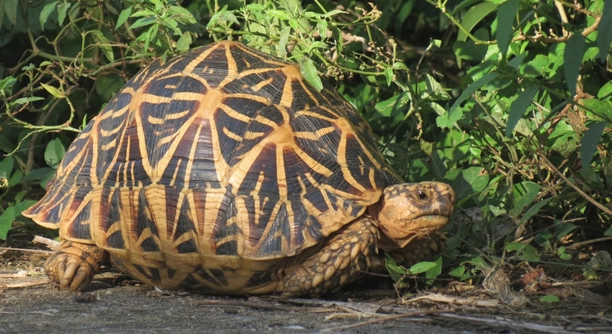
Indian star tortoises are becoming increasingly popular pets due to their distinctive appearance and peaceful nature. However, their well-being requires specific care to ensure their thriving health, especially in controlled environments.
Indian star tortoises thrive in controlled conditions because these environments offer consistency in temperature, humidity, and diet. These factors mimic their natural habitat and provide a safer space, helping them stay healthy and avoid the stresses of unpredictable environments.
Understanding why controlled environments benefit these tortoises can help you provide the best care. These insights will ensure your pet’s comfort and longevity.
Temperature Control is Key for Indian Star Tortoises
Indian star tortoises require stable temperatures to remain healthy. These tortoises are native to warm regions, and sudden changes in temperature can stress them out. A controlled environment allows you to maintain a steady warmth that mimics their natural habitat, which helps their digestive system and overall health. Ideally, temperatures should range between 85°F and 95°F during the day, with a slight drop at night. Without such conditions, they can suffer from lethargy, loss of appetite, or even sickness. A heat lamp or heating pad is typically used to maintain the right temperature. By ensuring proper warmth, you’re providing a safe and comfortable space for your tortoise to thrive.
Maintaining the right temperature is essential for your tortoise’s well-being. Too much fluctuation can lead to stress and health problems. It’s a simple yet crucial aspect of caring for them.
Proper temperature control aids digestion and supports immunity, keeping your tortoise energetic and healthy. It’s important to remember that maintaining the right warmth isn’t just about comfort—it’s about overall longevity. Tortoises living in a stable environment tend to have longer, healthier lives. Having a thermometer in their enclosure ensures the temperature remains consistent. Make sure to keep the enclosure warm enough to promote active behavior but avoid overheating. You’ll also want to offer them a cooler area to retreat to during the hottest part of the day.
Importance of Humidity for Indian Star Tortoises
Humidity is another factor that contributes to a tortoise’s health. These tortoises naturally live in areas with moderate humidity, so it’s important to replicate that in their environment. Too much dryness can lead to dehydration, while excess moisture can lead to skin issues or respiratory problems. The goal is to maintain a humidity level of around 50% to 60%. Using a misting system or a shallow water dish can help achieve this.
Having the right humidity can also prevent dehydration and respiratory issues. Proper humidity keeps your tortoise comfortable and hydrated.
By keeping the humidity at the right levels, you ensure your tortoise can maintain proper skin health and hydration. It can also prevent shell rot, a common condition in improperly maintained environments. Regular misting can also stimulate natural behaviors, as it mirrors the moisture levels in the wild. Using a hygrometer in the tank allows you to monitor humidity levels and make adjustments as necessary. While humidity may seem like a small detail, it plays a large role in keeping your tortoise healthy and content.
Consistent Diet for Indian Star Tortoises
A balanced diet is essential for the health of Indian star tortoises. These tortoises are herbivores, feeding primarily on grasses, flowers, and leaves. In a controlled environment, you can ensure they have access to a steady supply of nutrient-rich food, mimicking their natural diet. This consistent nutrition supports their growth, shell health, and overall vitality.
Providing a varied diet that includes leafy greens, dandelion, and clover will keep them energized. You should also supplement their meals with calcium and vitamin D3 to support shell development. Offering a mix of different plants provides the necessary vitamins and minerals. Regularly cleaning their food bowl prevents bacteria buildup, ensuring their health remains optimal.
Feeding them in a controlled environment allows you to regulate portions, preventing overfeeding. This helps avoid obesity, which is a common issue for tortoises in captivity. By paying attention to portion sizes and food variety, you’re setting the stage for a long, healthy life for your pet.
Safe Enclosure Space for Indian Star Tortoises
A secure enclosure is crucial for Indian star tortoises. They need enough space to move around and explore, but the enclosure should also be secure enough to prevent escapes. A well-designed setup will include hiding spots, ramps, and a designated basking area. The environment should also be escape-proof to keep them safe from potential dangers.
Their enclosure should be at least 40 square feet, with plenty of room for them to roam and explore. You can line the bottom with non-toxic bedding, such as coconut coir or organic soil, to help maintain humidity levels. Additionally, the enclosure should be protected from drafts or direct sunlight, as this can cause stress. An outdoor pen with a fence buried a few inches into the ground is ideal for a natural setup.
Creating a comfortable, safe space for them ensures they don’t feel confined or stressed. A secure enclosure will allow them to display natural behaviors while feeling protected. This also gives you peace of mind, knowing that your tortoise is safe from outside threats.
Lighting for Indian Star Tortoises
Proper lighting is crucial for Indian star tortoises in controlled environments. UVB light helps them produce vitamin D3, which is essential for calcium absorption. Without it, they could develop metabolic bone disease. Providing a UVB light source for 10 to 12 hours daily ensures their health.
In addition to UVB light, you should also use a basking light to create a warm spot. This helps your tortoise regulate its body temperature and ensures it stays active. Placing the basking light directly above their favorite spot mimics natural sunlight, encouraging healthy behavior.
Monitoring Health
Regular health checks help keep Indian star tortoises in good shape. Monitoring their weight, behavior, and shell condition can reveal any issues early. If you notice any changes, such as lethargy or lack of appetite, it might be time for a vet visit.
Maintaining a routine allows you to catch potential health problems before they become serious. Keeping their living conditions optimal, along with a consistent diet and regular monitoring, helps you address concerns right away.
Regular Bathing
Bathing is important for hydration and shell health. Indian star tortoises tend to drink water from shallow baths, which also helps them shed old skin. Regular bathing prevents dehydration and promotes healthy digestion. It’s easy to do and highly beneficial.
FAQ
How often should I feed my Indian star tortoise?
Feeding frequency depends on your tortoise’s age. Young tortoises should be fed daily, while adults can be fed every other day. A well-balanced diet of leafy greens, grasses, and occasional flowers will help maintain their health. Make sure the food is fresh and free of pesticides. Overfeeding should be avoided, as obesity is common in tortoises kept in captivity. Offering small, consistent meals will ensure they get the nutrients they need without the risk of weight gain.
Can I let my Indian star tortoise roam freely in my house?
It’s not recommended to let them roam freely, as they may get hurt or find areas that are unsafe, like electrical wires or toxic plants. Instead, set up a safe and secure enclosure where they can roam and explore within a controlled space. This ensures they have enough room to move around while staying protected from potential hazards. A well-fenced outdoor pen can also be a good option as long as it is secure and escape-proof.
What kind of substrate should I use in my tortoise’s enclosure?
A suitable substrate should be non-toxic and able to retain moisture to maintain the right humidity levels. Coconut coir, organic soil, and cypress mulch are all good choices. Avoid sand or clay-based substrates, as they can be harmful if ingested. Additionally, it’s important to keep the bedding clean and dry, as it can accumulate bacteria and fungus over time. Regular cleaning is key to preventing health issues.
How can I tell if my tortoise is stressed?
Signs of stress in Indian star tortoises include lack of appetite, hiding more than usual, or exhibiting unusual behavior such as pacing or constant burrowing. They may also be less active or refuse to bask in their designated spot. Stress can be caused by environmental factors like changes in temperature, humidity, or lighting. Check their enclosure for any issues and ensure they have a proper hiding spot to retreat to. Keeping their living conditions stable will help reduce stress.
What temperature should I keep my Indian star tortoise enclosure?
Indian star tortoises thrive in temperatures between 85°F and 95°F during the day. At night, the temperature can drop to around 70°F. A heat lamp or heating pad is often used to maintain warmth in the basking area. The temperature should be monitored regularly using a thermometer. Extreme heat or cold can stress the tortoise and lead to health issues like dehydration or metabolic problems. Proper temperature regulation is key to their well-being.
How do I clean my Indian star tortoise’s enclosure?
Cleaning the enclosure should be done regularly to prevent bacteria build-up. Remove uneaten food daily and clean any waste promptly. Wash the substrate every two to three weeks, depending on the amount of waste, and replace it with fresh bedding. Disinfect the enclosure with a reptile-safe cleaner to keep it hygienic. It’s also important to wash food bowls, water dishes, and any equipment used in the enclosure to maintain cleanliness. Regular maintenance ensures a healthy environment for your tortoise.
Can I keep multiple Indian star tortoises together?
Indian star tortoises can be kept together, but it’s important to monitor their behavior. Males, in particular, may show territorial behavior, leading to aggression. Females are typically more peaceful, but stress can arise if there isn’t enough space. Ensure the enclosure is large enough to provide multiple basking areas and hiding spots, so each tortoise has its own space. It’s also helpful to observe them regularly for signs of aggression, such as chasing or biting.
What kind of lighting do Indian star tortoises need?
Indian star tortoises require UVB lighting to produce vitamin D3, which is essential for calcium absorption and overall health. UVB lights should be on for 10 to 12 hours a day. They also need a basking light to create a warm area where they can regulate their body temperature. This helps promote digestion and keeps them active. Place the basking light directly above a designated basking spot. Be sure to replace UVB bulbs every 6-12 months, as they lose effectiveness over time.
How do I keep my Indian star tortoise hydrated?
Providing fresh water daily is essential to keep your tortoise hydrated. You can offer water in a shallow dish that is easily accessible. Many tortoises prefer to soak in water, which helps them drink and stay hydrated. You can also mist the enclosure to increase humidity levels. Regular soaking can also promote hydration and help with shedding. It’s important to monitor their water intake and ensure they have constant access to clean water.
Are Indian star tortoises good pets for beginners?
Indian star tortoises can be a good pet for beginners, but they require specific care. A controlled environment with proper temperature, humidity, and lighting is essential. They also need a balanced diet and a safe enclosure. While they are relatively low-maintenance compared to other pets, their needs must be met to ensure a healthy and happy life. New owners should take time to research their care requirements and be prepared to maintain their living conditions consistently.
Final Thoughts
Caring for an Indian star tortoise in controlled conditions offers many benefits, both for the tortoise and the keeper. These tortoises are hardy creatures, but they do require specific care to thrive. By maintaining a proper habitat with the right temperature, lighting, and diet, you can ensure your tortoise stays healthy and active. Their unique beauty and gentle nature make them a rewarding pet, especially for those willing to dedicate time to meeting their needs. With consistent attention to their environment and diet, an Indian star tortoise can live a long, fulfilling life.
While setting up the ideal enclosure might take some initial effort, it becomes part of the routine once everything is in place. Regular cleaning, proper hydration, and UVB lighting are just a few of the essential aspects that need ongoing attention. Keeping track of these factors and observing your tortoise’s behavior can help you spot potential issues early. Stress and health concerns are often linked to environmental changes, so maintaining stability in their care routine is key to their well-being. Over time, you will become more attuned to their needs and behaviors, making care feel more intuitive.
Ultimately, the rewards of keeping an Indian star tortoise as a pet are numerous. Not only do you gain the companionship of an intriguing reptile, but you also learn about the importance of environmental care and attention to detail. If you’re new to tortoise care, it’s essential to be patient and stay informed about their requirements. With the right setup and consistent care, your tortoise will thrive, offering a peaceful presence in your home for many years.

Hello,
If you enjoy the content that we create, please consider saying a "Thank You!" by leaving a tip.
Every little bit helps us continue crafting quality advice that supports the health, happiness, and well-being of pets around the world, for pets of all shapes, sizes, and species.
We really appreciate the kindness and support that you show us!