
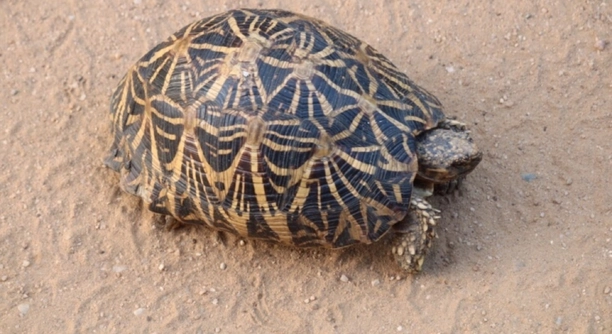
Indian Star Tortoises are known for their gentle nature and fascinating behaviors. However, observing your tortoise facing the wall consistently can raise questions about its well-being and environment. Understanding the reason behind this behavior is important.
The behavior of facing the wall is often linked to the tortoise’s search for security or confusion due to environmental factors. A lack of space, poor lighting, or stress can trigger this response. Tortoises may also display this behavior if they are feeling threatened.
There are steps you can take to help your tortoise feel more comfortable. By adjusting its habitat and understanding its needs, you can address the cause of this behavior.
Why Does My Tortoise Face the Wall?
Indian Star Tortoises may face the wall for various reasons, often tied to their instincts or environmental conditions. It’s not always a sign of distress, but rather a way of coping with certain factors in their surroundings. One possibility is that the tortoise is trying to find a sense of security. In nature, these animals often seek shelter and hidden spots to feel safe. If their enclosure feels too open or lacks adequate hiding spaces, they might turn to the wall as a substitute for cover.
Another factor is stress. Stress can come from multiple sources, including changes in temperature, humidity, or unfamiliar people. Tortoises are creatures of habit, and any disruption to their routine can lead to feelings of unease. Additionally, improper lighting or lack of natural sunlight can contribute to this behavior, as tortoises rely on a balanced light cycle to feel comfortable and healthy.
It’s important to monitor your tortoise’s environment and adjust accordingly. Providing ample hiding spaces, consistent temperature, and the right lighting can reduce stress and make your tortoise feel more secure. Over time, you should notice less of this wall-facing behavior if these adjustments are made.
Environmental Factors and Stress
Changes in the tortoise’s environment can cause noticeable shifts in behavior. If the space is too small or lacks variety, the tortoise might turn to the wall as a form of reassurance.
Proper habitat setup is crucial. Providing enough space, avoiding overcrowding, and ensuring that temperature and humidity are correct can create a comfortable environment. Without these, a tortoise may display behaviors that signal discomfort or unease.
Space and Enclosure Setup
Your tortoise may feel confined if its living space is too small. Tortoises need room to roam, explore, and exercise. If the space isn’t big enough, they might look for walls or corners to orient themselves, which can become a repetitive behavior.
Creating a larger enclosure with varied surfaces will help your tortoise feel more comfortable. Adding things like rocks, plants, and logs can give them places to hide or climb. This not only reduces the wall-facing behavior but also encourages natural exploration. Ensure the enclosure is appropriately sized, ideally allowing your tortoise to walk freely in all directions.
If the enclosure size is limited, consider expanding it or adding additional areas that your tortoise can access for enrichment. The goal is to give them a sense of freedom and prevent any feelings of being trapped, which often lead to such behaviors.
Light and Temperature Regulation
Lighting plays a key role in your tortoise’s comfort. Without proper light, your tortoise may become stressed or disoriented, leading to behaviors like facing the wall. Make sure your enclosure has access to both UVB light and heat sources.
UVB lighting is crucial for your tortoise’s health. It helps with calcium absorption and promotes overall well-being. Without adequate UVB exposure, they might feel out of balance, affecting their behavior. Proper heating should also be maintained to keep the temperature consistent, as fluctuations in heat can lead to stress. A heat lamp or ceramic heater can help regulate temperatures that mimic natural sunlight.
Ensuring both proper lighting and temperature helps your tortoise stay healthy and calm. Without these, you risk stressing them, which could lead to behaviors like facing the wall or retreating into corners.
Stress and Anxiety
Tortoises are sensitive to stress. Changes in their environment, handling, or routines can cause them to exhibit unusual behaviors like facing the wall. Stress can stem from sudden temperature shifts, noisy surroundings, or too much human interaction.
Keeping your tortoise’s routine consistent is important. Avoid moving its enclosure frequently or introducing new elements that might cause confusion. Loud noises, like pets or children, can also cause stress. A calm, quiet environment will help your tortoise relax and prevent behaviors linked to anxiety.
Feeding Schedule and Diet
A poor diet or irregular feeding schedule can cause discomfort for your tortoise. Ensure you’re feeding it a balanced diet with the right nutrients. Offering the wrong food can lead to digestive issues, which may cause stress.
Regular feeding times are important for maintaining a stable routine. Tortoises thrive on consistency, and erratic feeding schedules can make them anxious. Stick to a balanced diet of leafy greens, vegetables, and some fruits, along with occasional protein to keep them healthy and prevent any upset that might cause them to turn to the wall.
Health Concerns
Sometimes, physical discomfort can lead to behavior like facing the wall. If your tortoise is experiencing health issues, such as parasites or shell infections, it may retreat to a corner for comfort. Make sure your tortoise is regularly checked by a veterinarian to rule out any underlying medical problems.
FAQ
Why does my Indian Star Tortoise face the wall?
Facing the wall is often a sign of stress, confusion, or a need for security. Tortoises instinctively seek comfort and may use the wall as a substitute for hiding spots if they feel unsafe. Environmental factors, such as lack of space or improper lighting, can also trigger this behavior.
Can a lack of space cause this behavior?
Yes, limited space is a common cause of tortoises facing the wall. If the enclosure is too small, your tortoise may feel restricted, leading it to turn to the walls for a sense of protection. Expanding the enclosure and offering more exploration areas can help reduce this behavior.
Is my tortoise sick if it’s always facing the wall?
It’s not necessarily a sign of illness, but if your tortoise is consistently facing the wall along with other symptoms like lethargy, loss of appetite, or abnormal behavior, it might be an indicator of health problems. A visit to the vet is recommended to rule out any medical conditions.
Could my tortoise be bored?
Boredom can definitely contribute to this behavior. Tortoises are naturally curious and need stimulation. If there’s not enough to do in the enclosure, such as climbing or hiding spots, your tortoise may exhibit repetitive behavior like facing the wall. Adding objects or changes to the environment can help alleviate boredom.
How can I reduce stress in my tortoise?
To reduce stress, ensure your tortoise’s environment is calm, consistent, and safe. This includes proper temperature regulation, adequate lighting, and providing hiding spots. Avoiding loud noises, too much human interaction, or sudden changes in the environment can also help keep your tortoise stress-free.
Should I add more hiding spaces for my tortoise?
Yes, adding hiding spaces can provide your tortoise with a sense of security. Tortoises feel safer when they have places to retreat to. Simple additions like logs, plants, or caves in the enclosure will encourage your tortoise to explore and reduce the tendency to face the wall.
What type of lighting does my tortoise need?
Your tortoise needs access to both UVB lighting and a heat source. UVB light helps with calcium absorption and overall health, while proper heat regulation ensures that your tortoise stays comfortable. A combination of both lighting types will create a more natural and supportive environment.
Could temperature fluctuations cause this behavior?
Yes, temperature fluctuations can cause stress in tortoises. If the temperature is too high or too low, your tortoise may seek a wall for comfort. Ensure that the enclosure maintains a consistent temperature within the recommended range for Indian Star Tortoises to avoid stress-related behaviors.
What should I feed my tortoise to keep it healthy?
A balanced diet is essential for your tortoise’s well-being. Offer a variety of leafy greens, vegetables, and occasional fruits. You can also feed small amounts of protein occasionally, depending on the species. Avoid offering too much high-oxalate food, as it can cause health issues.
How often should I handle my tortoise?
Tortoises are not particularly fond of frequent handling, and excessive interaction can cause stress. Limit handling to when it’s necessary, such as for cleaning or medical purposes. Let your tortoise explore its environment at its own pace without too much interference.
What signs indicate my tortoise is stressed?
Common signs of stress include changes in behavior, like hiding more often, refusing food, or pacing in circles. Other signs may include shell withdrawal or rapid, shallow breathing. If these symptoms persist, it’s important to review your tortoise’s environment and consult with a vet if necessary.
Can I change my tortoise’s enclosure setup often?
Frequent changes to the enclosure can be stressful for your tortoise. Tortoises prefer stability, so try to make changes gradually. Sudden rearrangements can confuse them, leading to behaviors like facing the wall or hiding more often. Adjustments should be minimal and well-thought-out to avoid unsettling your tortoise.
Is it safe for my tortoise to be outside sometimes?
If the weather allows and you ensure that the area is secure, it’s fine for your tortoise to be outside. Outdoor time can provide natural sunlight, which is beneficial for their health. Always supervise your tortoise to make sure it doesn’t escape or get injured.
Should I consider a vet visit if this behavior persists?
If your tortoise consistently faces the wall and exhibits other concerning symptoms, it’s best to consult with a veterinarian. They can help identify any underlying health issues and provide guidance on proper care. Regular check-ups are also important to ensure your tortoise is in good health.
How long will it take for my tortoise to stop facing the wall?
The time it takes for your tortoise to stop facing the wall depends on the underlying cause. If the issue is stress due to environmental factors, you may see improvement within a few days to weeks after making changes. Be patient and monitor its behavior for any signs of improvement.
Final Thoughts
When a tortoise faces the wall, it can be concerning for any pet owner. While this behavior is often linked to stress, confusion, or a need for security, it’s important to understand the potential causes. Sometimes, it’s simply the result of an environmental factor, like a cramped enclosure or changes in temperature. In other cases, it might be a sign of illness or discomfort. Understanding the reason behind this behavior is key to helping your tortoise feel more comfortable and relaxed in its environment.
Making changes to the environment, like increasing space, adding hiding spots, and reducing stressors, can make a significant difference. A consistent routine for feeding and care is also essential for maintaining your tortoise’s well-being. Regular check-ups with a veterinarian can help rule out any health issues that could be contributing to this behavior. Small changes, such as adjusting the lighting or temperature, can go a long way in creating a comfortable and secure environment for your tortoise.
While it’s natural to feel concerned when you notice your tortoise facing the wall, it’s usually something that can be addressed with some adjustments. Be patient and monitor your tortoise’s behavior, making gradual changes to its routine and environment. Over time, you’ll likely see improvements, and your tortoise will return to its normal, more active behavior.

Hello,
If you enjoy the content that we create, please consider saying a "Thank You!" by leaving a tip.
Every little bit helps us continue crafting quality advice that supports the health, happiness, and well-being of pets around the world, for pets of all shapes, sizes, and species.
We really appreciate the kindness and support that you show us!