
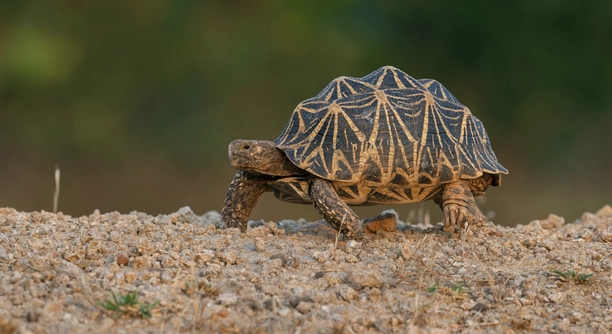
Shell rot is a common problem in Indian Star Tortoises that can lead to serious health issues. It’s important to prevent this condition to ensure your tortoise remains healthy and comfortable.
Preventing shell rot in Indian Star Tortoises requires proper care, including maintaining a clean habitat, providing appropriate humidity and temperature levels, and ensuring proper diet and hydration. Regular vet checkups and proper shell hygiene can also help prevent infections.
Taking steps to keep your tortoise’s shell in good condition can prevent the onset of shell rot. Learn how to maintain a healthy environment for your pet and keep it safe from this condition.
How Shell Rot Affects Indian Star Tortoises
Shell rot in Indian Star Tortoises is an infection that can seriously harm their health. It often starts when the shell becomes damaged or cracked, allowing bacteria or fungi to enter. Once inside, the infection spreads, causing areas of the shell to soften or deteriorate. If left untreated, shell rot can lead to severe deformities and even death. The condition is more common in tortoises kept in unsuitable living conditions, such as high humidity, poor ventilation, or unclean habitats. It’s essential to regularly inspect your tortoise for any signs of rot, like foul odors or discolored areas on the shell.
Prevention is much easier than treatment, so it’s better to take proactive steps to keep your tortoise’s shell healthy. Regular maintenance and care can reduce the risk of shell rot and ensure your tortoise stays happy.
Keeping your tortoise’s environment clean and properly maintained is the first step in preventing shell rot. Ensuring the habitat has proper airflow and humidity levels reduces bacterial growth and minimizes the risk of infection.
Proper Humidity Levels
Maintaining the right humidity level in your tortoise’s enclosure is essential for preventing shell rot. If the humidity is too high, the shell can become soft and prone to infections. On the other hand, low humidity can lead to dehydration, making the tortoise more susceptible to health issues.
Aim for a humidity level of around 50-60% for Indian Star Tortoises. Use a hygrometer to monitor the conditions in their habitat. If necessary, add a shallow water dish for humidity or consider using a humidity chamber. Avoid over-wetting their habitat as it may create a breeding ground for harmful bacteria.
Ensure that your tortoise has access to clean water for drinking and bathing. This helps to keep them hydrated and their shell healthy. Dry areas for basking, combined with the right humidity, will keep your tortoise comfortable and prevent the environment from becoming too damp, which can lead to shell rot.
Clean Habitat
A clean environment is one of the easiest ways to keep shell rot at bay. Feces, uneaten food, and wet bedding can quickly lead to bacterial growth, which can affect your tortoise’s shell. Make sure to clean the enclosure regularly to remove waste and damp spots that may create a breeding ground for bacteria.
It’s also important to sanitize surfaces that your tortoise frequently uses. Use a reptile-safe disinfectant to wipe down surfaces and remove harmful microorganisms. Avoid using harsh chemicals that may harm your pet. Replace bedding or substrate regularly to maintain a dry and clean environment for your tortoise.
By keeping the habitat clean, you lower the risk of infections and promote overall health. This is a simple but effective way to avoid the development of shell rot and ensure your tortoise thrives in a healthy, hygienic environment.
Proper Temperature Regulation
Maintaining the correct temperature in your tortoise’s habitat is key to its health. If it’s too cold, your tortoise’s immune system weakens, making it more prone to infections. Too much heat can dry out the skin and shell, leading to cracks and rot.
For Indian Star Tortoises, the basking area should be around 90°F, while the cooler areas should be 75-80°F. Use a thermometer to monitor temperatures and adjust heat lamps or heat mats as needed. A proper gradient will allow your tortoise to regulate its body temperature and avoid stress.
Proper heating will also keep your tortoise active, preventing lethargy and helping digestion. It’s essential to get the temperature right to avoid complications like shell rot and promote overall well-being.
Diet and Hydration
A balanced diet is crucial for preventing shell rot. Offering fresh greens, vegetables, and occasional fruits helps to keep your tortoise healthy. Additionally, a calcium supplement may support strong shell growth and prevent weakness that could make the shell more vulnerable to damage.
Ensure your tortoise always has access to fresh, clean water. Dehydration can lead to weakened shells, making them more susceptible to infection. A hydrated tortoise is a healthy tortoise. Regularly check your tortoise’s hydration levels to ensure its shell remains strong and intact.
Regular Vet Checkups
Taking your tortoise for regular vet checkups is an important step in preventing shell rot. A professional can spot early signs of health issues that you might not notice. They can also guide you on the best care practices to avoid shell rot.
FAQ
What are the signs of shell rot in Indian Star Tortoises?
Shell rot can be identified through visible symptoms such as soft, discolored, or foul-smelling patches on the shell. These areas may feel spongy or mushy to the touch. In severe cases, the shell can start to break apart. If you notice these signs, seek veterinary help immediately. Early intervention can prevent further damage and improve the chances of recovery. It’s also important to monitor your tortoise’s behavior; if they seem lethargic or are avoiding eating, these could be indirect signs of a health issue related to the shell.
Can shell rot heal on its own?
Shell rot typically doesn’t heal on its own. If left untreated, it can worsen and spread to the internal layers of the shell, potentially causing irreversible damage. Prompt treatment is necessary, which may include cleaning the infected area, applying topical medications, or, in severe cases, surgical intervention. It’s best to act as soon as you spot any symptoms to prevent the condition from progressing.
How can I treat shell rot at home?
While minor cases of shell rot might be treated at home with antiseptic solutions and proper care, it’s always safer to consult a veterinarian for a proper diagnosis. For at-home care, begin by gently cleaning the affected area with a mild antiseptic and warm water. Dry the shell thoroughly and apply a reptile-safe ointment or antibacterial cream. However, this should only be done under the advice of a veterinarian, as improper treatment can make the situation worse.
What causes shell rot in Indian Star Tortoises?
Shell rot is often caused by bacteria or fungi entering cracks or damaged areas of the shell. The infection can spread if the tortoise’s environment is too humid, dirty, or poorly maintained. Other factors, such as a weakened immune system or poor diet, can also increase susceptibility to infections. To prevent shell rot, ensure your tortoise’s enclosure is clean, dry, and well-maintained, and always provide proper humidity, temperature, and a balanced diet.
How can I prevent shell rot in my tortoise?
To prevent shell rot, start by maintaining a clean and dry habitat. Clean the enclosure regularly, removing waste and damp bedding that can encourage bacteria growth. Keep the humidity and temperature levels in check, ensuring your tortoise has access to clean drinking water and a balanced diet. Regularly inspect your tortoise’s shell for any cracks or damage and address any issues promptly. Providing a proper basking area will also help your tortoise stay healthy and strong.
How often should I clean my tortoise’s shell?
While you don’t need to clean your tortoise’s shell every day, it’s important to inspect it regularly for any signs of damage or infection. You can clean the shell with a damp cloth or soft brush to remove any dirt or debris. If you notice any discolored or soft spots, consult your veterinarian. Clean the enclosure at least once a week to maintain a healthy environment for your tortoise.
What are the best humidity levels for my tortoise’s habitat?
Indian Star Tortoises need a humidity level of 50-60%. Too much moisture can lead to fungal growth and shell rot, while too little moisture can cause dehydration. To maintain this level, consider using a hygrometer to monitor the humidity in the enclosure. You can also add a shallow water dish to the habitat to help regulate humidity, but be sure to avoid excessive moisture buildup.
Can stress lead to shell rot?
Yes, stress can contribute to shell rot in tortoises. Stress can weaken your tortoise’s immune system, making it more vulnerable to infections, including shell rot. Stress can be caused by various factors, including inadequate living conditions, improper handling, or a lack of appropriate environmental enrichment. To reduce stress, provide a stable and quiet environment for your tortoise, avoid frequent handling, and ensure the habitat is comfortable and well-suited to their needs.
Is shell rot common in Indian Star Tortoises?
Shell rot is not an uncommon problem for Indian Star Tortoises, especially in captivity. It’s most often caused by poor habitat conditions, such as improper humidity, unclean enclosures, and lack of adequate temperature control. By providing proper care, cleaning the environment regularly, and maintaining a balanced diet, you can significantly reduce the chances of shell rot. Regular vet checkups can also help detect any potential issues before they become severe.
What should I do if I suspect my tortoise has shell rot?
If you suspect shell rot, it’s important to take action immediately. First, inspect the shell for any visible signs of damage or infection. If you notice any symptoms, contact a veterinarian who specializes in reptiles. They can properly diagnose the condition and recommend a treatment plan. Don’t try to treat severe shell rot on your own without professional guidance, as improper care can worsen the problem. In the meantime, ensure your tortoise is housed in a clean and dry environment to reduce further risk of infection.
Final Thoughts
Preventing shell rot in Indian Star Tortoises is essential for their health and well-being. Shell rot is a serious condition that can cause lasting damage if not addressed quickly. The key to prevention is providing a clean and stable environment, with proper humidity and temperature levels. By ensuring that your tortoise has access to clean water, a balanced diet, and a suitable habitat, you greatly reduce the risk of shell rot. Regular check-ups with a veterinarian are also important in catching any potential issues early on, ensuring your tortoise remains in good health.
Although shell rot can be treated if caught early, it’s always better to prevent it from occurring in the first place. Simple habits like inspecting your tortoise’s shell regularly, cleaning its habitat often, and maintaining the right environmental conditions go a long way in preventing this issue. Make sure your tortoise has enough space to roam and bask, which supports its overall health and helps prevent stress, another factor that can contribute to shell problems. Keeping an eye on your tortoise’s behavior and health can alert you to any changes that may need attention.
Remember that a healthy tortoise starts with the right care, which includes understanding its needs and being proactive. Prevention is much easier than treatment, and your tortoise will thrive with the proper attention to its environment and diet. The goal is to keep your tortoise’s shell strong and intact, so they can enjoy a long and healthy life. By following the steps outlined here and remaining consistent with your care routine, you’ll be able to prevent shell rot and give your Indian Star Tortoise the best life possible.

Hello,
If you enjoy the content that we create, please consider saying a "Thank You!" by leaving a tip.
Every little bit helps us continue crafting quality advice that supports the health, happiness, and well-being of pets around the world, for pets of all shapes, sizes, and species.
We really appreciate the kindness and support that you show us!