
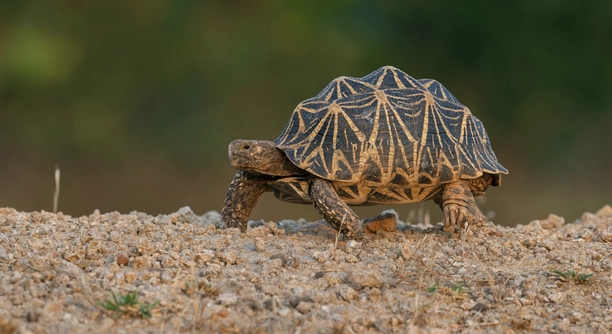
Many people are fascinated by the beauty and calm nature of the Indian Star Tortoise, but taking care of them can seem tricky. Myths and misconceptions about their care can cause confusion for new owners.
The Indian Star Tortoise requires proper care to thrive, but there are many myths about their needs. Misunderstandings often include incorrect habitat setup, feeding habits, and handling techniques. These myths can make tortoise care more complicated than it is.
It’s important to clear up these myths to help you provide the best care possible for your tortoise. Understanding their needs will make the experience of owning one enjoyable for both you and your pet.
Myth 1: Indian Star Tortoises Are Very Fragile and Hard to Care For
Many people think that Indian Star Tortoises are delicate creatures and need constant attention or special handling. While it’s true they require specific care, they are not fragile. They are quite sturdy once their basic needs, like proper habitat, diet, and temperature, are met. With the right setup, they can live a long, healthy life.
Caring for an Indian Star Tortoise doesn’t mean you need to constantly fuss over them. They thrive when their environment is consistent and clean. With a little research on their needs, such as the correct humidity levels and UV light exposure, you’ll find that they are not as difficult to care for as some might think.
These tortoises are low-maintenance pets compared to other exotic animals. As long as you provide them with enough space to roam, proper food like leafy greens, and a temperature-controlled environment, they will live contentedly. Regular vet check-ups can also help prevent potential health issues. You’ll find that once you understand their needs, they are relatively easy to take care of.
Myth 2: Indian Star Tortoises Only Eat Vegetables
It’s a common misconception that Indian Star Tortoises only eat vegetables. In fact, they are omnivores and enjoy a variety of foods, including fruits and certain insects.
While their diet primarily consists of plants, they also need some animal protein for a balanced diet. For example, they can safely consume small amounts of worms or snails, which mimic their natural diet in the wild. This diverse diet supports their overall health and well-being.
Offering a mix of leafy greens, vegetables like carrots and squash, and fruits like apples or berries will provide essential nutrients. However, it’s important to avoid overfeeding them with sugary fruits. Giving them small amounts of protein can be beneficial, but it should not make up a large part of their diet. A balanced, varied approach will ensure your tortoise stays healthy.
Myth 3: Indian Star Tortoises Can Live in Any Enclosure
Some people believe that Indian Star Tortoises can live in any type of enclosure. However, this is far from true. They need a proper habitat that mimics their natural environment to stay healthy and active.
A proper enclosure should include both a basking area and a cooler area for them to regulate their body temperature. The size of the enclosure should be spacious enough to allow them to move freely, and it should have a secure lid to prevent escape. You also need to provide plenty of hiding spots where they can feel safe.
An important aspect of their habitat is UV lighting. Since these tortoises need UVB rays to help them metabolize calcium, setting up a UV light system is crucial. Without proper UV exposure, they can develop shell deformities or other health problems. You should also maintain proper humidity levels in the enclosure to keep them comfortable.
Myth 4: Indian Star Tortoises Don’t Need Much Social Interaction
It’s a common belief that Indian Star Tortoises are solitary animals and don’t need social interaction. While they are not social in the same way as dogs or birds, they do benefit from regular human presence.
These tortoises can get used to being around humans, especially if they are handled gently and consistently. While they don’t crave attention, they won’t shy away from the occasional interaction. Regular time outside of their enclosure, such as supervised walks or brief handling sessions, can help keep them mentally stimulated.
However, it’s important to remember that they do not need constant attention. They are independent animals and can be perfectly happy living in their enclosure. Overhandling can lead to stress, so a balance of space and quiet interaction is ideal. The key is respecting their need for time alone, while still providing a safe environment.
Myth 5: Indian Star Tortoises Can Live on a Diet of Just Lettuce
Many people believe that a simple lettuce diet is enough for Indian Star Tortoises. While lettuce can be part of their diet, it lacks essential nutrients and can cause health problems if fed exclusively.
Lettuce, especially iceberg lettuce, contains very little nutritional value and can cause digestive issues. A balanced diet is critical for your tortoise’s health, and it should consist of a variety of dark leafy greens like collard greens, dandelion greens, and mustard greens. Along with vegetables, fruits like apples, papayas, and melons can be offered in moderation.
Besides vegetables and fruits, you should also introduce some high-fiber plants like grasses and edible flowers. This variety ensures they receive the vitamins, minerals, and fiber needed for a healthy digestive system. Avoid feeding them high-oxalate foods like spinach, as this can cause kidney issues in the long run.
Myth 6: Indian Star Tortoises Are Easy to Handle and Love Being Picked Up
Many people assume that Indian Star Tortoises enjoy being picked up, but this isn’t true for all of them. While some may tolerate it, others may become stressed by frequent handling.
Picking them up too often can cause unnecessary stress and make them more prone to injuries. When handling, it’s essential to be gentle and avoid lifting them too high. Instead, let them roam in a safe, enclosed space. They are more comfortable in their own habitat, where they can move around freely without the added stress of being handled.
It’s best to give them plenty of space and limit physical interactions unless necessary, like during a health check. Their behavior will become more relaxed and natural if they can live their lives with minimal disruptions.
Myth 7: Indian Star Tortoises Can Thrive in Extreme Heat or Cold
Indian Star Tortoises need a specific temperature range to stay healthy. While they are used to warmer climates, they are not suited for extreme heat or cold.
They need a habitat with a warm side for basking and a cooler side to help them regulate their body temperature. The ideal temperature range for their enclosure is around 85-95°F during the day, with a drop to 70-75°F at night. If exposed to temperatures outside this range for too long, they could experience health problems such as dehydration or respiratory issues.
Keeping their environment consistent is key. Temperature fluctuations can stress them out and affect their overall well-being. It’s important to monitor the temperature carefully, especially during seasonal changes.
FAQ
How often should I feed my Indian Star Tortoise?
Indian Star Tortoises should be fed every day or every other day, depending on their age and activity level. Younger tortoises need more frequent feedings to support their growth. Adults, however, can be fed every other day. It’s essential to provide a variety of foods, including leafy greens, vegetables, and fruits. A mix of foods will ensure they receive all the necessary nutrients. Offering too much food at once can lead to overeating, so it’s better to provide smaller portions that they can consume in one sitting. Always remove any leftover food after a few hours to prevent mold growth.
What temperature is ideal for my Indian Star Tortoise’s enclosure?
The ideal temperature for an Indian Star Tortoise’s enclosure is around 85-95°F during the day, with a slight drop at night to about 70-75°F. The enclosure should have both a warm basking spot and a cooler area, allowing the tortoise to regulate its body temperature. Providing a gradient temperature allows the tortoise to choose the spot where it feels most comfortable. A basking lamp is essential for creating the warm area, while a thermometer should be used to monitor the temperature accurately. Avoid placing the enclosure in areas where the temperature fluctuates drastically, such as near windows or air conditioners.
What kind of lighting do Indian Star Tortoises need?
Indian Star Tortoises require both UVB lighting and heat to thrive. UVB light helps them metabolize calcium, preventing issues like shell deformities or metabolic bone disease. You should use a UVB bulb that provides full-spectrum lighting and place it about 12-18 inches above the tortoise’s basking area. The UVB light should be on for about 10-12 hours a day to mimic natural sunlight. In addition to UVB lighting, a basking lamp is necessary to provide warmth for the tortoise to regulate its body temperature. Ensure the lighting is replaced regularly, as UVB bulbs lose their effectiveness over time.
Can Indian Star Tortoises live together?
Indian Star Tortoises can live together, but care must be taken when housing more than one in the same enclosure. It’s important to provide enough space for each tortoise, as overcrowding can cause stress and aggression. Males, in particular, may show territorial behavior, especially during mating season. If you decide to house multiple tortoises together, make sure the enclosure is large enough for them to move around freely. Provide multiple hiding spots and basking areas to reduce any competition. It’s also a good idea to monitor their interactions to ensure that no tortoise is being bullied or stressed.
What should I do if my Indian Star Tortoise isn’t eating?
If your Indian Star Tortoise isn’t eating, it could be a sign of stress, illness, or improper environmental conditions. Check the temperature, humidity, and lighting in the enclosure to ensure they are within the appropriate ranges. Sometimes, a tortoise may stop eating due to a change in its environment or routine. Try offering different foods, as they may have become bored with their regular diet. If the tortoise continues to refuse food, it’s important to consult a veterinarian to rule out any health issues, such as parasites or vitamin deficiencies.
Can I take my Indian Star Tortoise outside?
Yes, Indian Star Tortoises can be taken outside, but there are a few things to consider. Ensure the outdoor area is secure, as tortoises are excellent escape artists. The area should be free of predators and other hazards, such as toxic plants. Be mindful of the temperature—too hot or too cold can stress your tortoise. Make sure there are shaded areas to escape the sun, as well as warm spots for basking. Supervise your tortoise when outside, as they may wander off or get into dangerous situations. When bringing them back inside, ensure the transition to their indoor habitat is smooth and they are not exposed to any sudden temperature changes.
What type of substrate is best for an Indian Star Tortoise’s enclosure?
A good substrate for an Indian Star Tortoise’s enclosure is one that allows for burrowing and keeps the humidity levels stable. Coconut coir, organic topsoil, and a mix of sand and soil work well. Avoid using cedar or pine shavings, as these can be harmful to tortoises. The substrate should be kept clean and dry, with a few spots where the tortoise can dig or burrow. The depth of the substrate should be around 2-3 inches to allow for some digging without making it too deep for safety reasons. Spot clean the enclosure daily, removing waste and uneaten food, and perform a full substrate change every few months.
How can I tell if my Indian Star Tortoise is healthy?
A healthy Indian Star Tortoise will have clear eyes, a clean shell, and a good appetite. Check for any signs of respiratory issues, such as wheezing, nasal discharge, or open-mouth breathing. The shell should be smooth, with no cracks, discoloration, or soft spots. If the shell feels soft or has any abnormal growths, it could indicate a calcium deficiency. The tortoise should be active and mobile, not lethargic or listless. If you notice any of these signs or if your tortoise’s behavior changes, it’s important to consult a veterinarian who specializes in reptiles. Regular check-ups are a good way to monitor your tortoise’s health over time.
How long do Indian Star Tortoises live?
Indian Star Tortoises have a long lifespan and can live for 30 to 50 years, sometimes even longer in some cases. With proper care, they can be lifelong companions. It’s important to be prepared for the long-term commitment required to care for them. A well-maintained enclosure, a balanced diet, and proper healthcare can help ensure that your tortoise lives a healthy and happy life. As they age, you may need to adjust their care, such as modifying their diet or habitat, to accommodate their changing needs.
Taking care of an Indian Star Tortoise is not as difficult as some myths suggest. Once you understand their basic needs, such as the right temperature, diet, and habitat, they can thrive in your care. They are generally low-maintenance pets, but this doesn’t mean they don’t require attention. Providing a proper environment and understanding their natural behavior will help you avoid common mistakes. By keeping their enclosure clean, offering a balanced diet, and ensuring they get enough sunlight, your tortoise will have everything it needs to stay healthy and happy.
It’s important to note that these tortoises live for many years, so owning one is a long-term commitment. They may not demand constant attention, but they still need daily care. Regularly check their habitat to make sure the temperature and humidity levels are where they should be. Offering variety in their diet, such as dark leafy greens and occasional fruits, will also help them stay well-nourished. Even though they are independent creatures, they still need a safe and enriching environment where they can feel comfortable.
While Indian Star Tortoises might seem like complex pets, the truth is they are quite resilient and adaptable. Once you get past the myths and misconceptions, you’ll find that caring for them can be a rewarding experience. Their gentle nature and unique appearance make them a wonderful companion. By staying informed and attentive to their needs, you can enjoy many years with your tortoise. As long as you provide the right care, your Indian Star Tortoise can live a long, healthy life.

Hello,
If you enjoy the content that we create, please consider saying a "Thank You!" by leaving a tip.
Every little bit helps us continue crafting quality advice that supports the health, happiness, and well-being of pets around the world, for pets of all shapes, sizes, and species.
We really appreciate the kindness and support that you show us!