
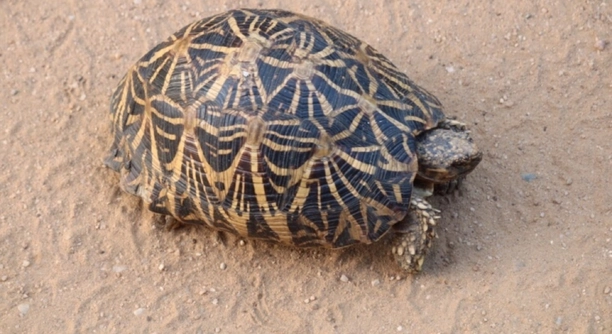
Indian Star Tortoises are delicate creatures that need special care. They can overheat in warm environments, leading to health issues. Learning to recognize overheating signs can keep your tortoise safe and comfortable in its home.
Overheating in Indian Star Tortoises can be identified by behaviors like excessive basking, lethargy, and unusual breathing patterns. A sudden drop in activity or attempts to hide more frequently can also signal distress due to heat stress.
Recognizing the early signs of overheating is essential for your tortoise’s well-being. Simple steps can help prevent serious health concerns and ensure they thrive in a balanced, comfortable environment.
Recognizing the Early Signs of Overheating
Overheating in Indian Star Tortoises can be tricky to spot at first. Their slow-moving nature makes it harder to tell when they are unwell. However, some obvious signs include excessive basking or laying on cool surfaces for longer periods. You may notice your tortoise becoming more sluggish or staying hidden more often. In extreme cases, rapid breathing or an open mouth can be signs of heat stress. If these behaviors are happening frequently, it’s essential to monitor their environment closely. It could mean your tortoise is experiencing discomfort due to high temperatures.
Increased lethargy and shallow breathing are common signs of heat stress. Always check the habitat temperature and ensure it stays within the appropriate range for their well-being.
A well-maintained enclosure with proper ventilation and temperature control can prevent overheating. Tortoises need a gradient of temperatures in their habitat, allowing them to move to cooler spots when they feel too hot. Having a thermometer to monitor the temperature range is crucial. Ensure that your tortoise has access to a shaded area and fresh water at all times. Keeping the area clean and free of unnecessary heat sources, like direct sunlight or heat lamps left on too long, can also help prevent overheating. Lastly, if you notice signs of dehydration or lethargy, it is important to take immediate action to cool down the environment and keep your tortoise hydrated.
Solutions to Prevent Overheating
One of the most effective ways to keep your tortoise cool is by adjusting the temperature in its enclosure.
Ensure your Indian Star Tortoise has access to a cool, shaded spot at all times. This can be a hide or corner where they can escape heat if needed.
Temperature Control
The most effective way to prevent overheating is by maintaining proper temperature gradients within the tortoise enclosure.
Ensure that the basking area remains around 90-95°F and the cooler side stays between 75-80°F. This allows your tortoise to regulate its body temperature by moving between hot and cool spots. Use a reliable thermometer to track temperature fluctuations throughout the day. Avoid placing heat lamps too close to the tortoise to prevent direct exposure to excessive heat. Always check the temperature at ground level since heat rises, and your tortoise may feel the warmth differently.
If your enclosure tends to get too hot, consider using fans or adjusting the heat sources. You can also move the enclosure to a cooler location. Keeping the room temperature steady helps maintain balance. Additionally, if you use heat lamps, turn them off at night to allow the environment to cool down naturally. Keeping the lighting schedule consistent helps your tortoise adapt to the changes in temperature and supports its natural behavior.
Hydration
Proper hydration is essential in preventing overheating. Without adequate water, your tortoise may become stressed and prone to overheating.
Provide fresh water daily, ensuring that the dish is shallow enough for your tortoise to drink from without risk. You can also mist the enclosure lightly to increase humidity, especially in drier environments. A humidifier or shallow water dish can help maintain a comfortable moisture level. Dehydration can cause your tortoise to become sluggish or more prone to heat stress. Regular hydration also supports their ability to regulate temperature effectively.
Dehydration becomes particularly dangerous in warmer climates. If you live in a hot area, check your tortoise’s water supply multiple times a day to ensure it stays clean and filled. Additionally, soaking your tortoise in lukewarm water for a short period can help if you notice signs of dehydration. This method allows them to absorb moisture directly through their skin, helping to lower the body temperature and prevent heat exhaustion.
Ventilation
Proper ventilation is essential to prevent the buildup of heat and humidity in your tortoise’s enclosure.
Ensure there are enough vents or holes in the enclosure to allow air to circulate. Without adequate airflow, the temperature can rise quickly, leading to an overheated environment. A well-ventilated space helps maintain balance and keep the tortoise comfortable.
A good airflow system ensures that fresh air is constantly circulating, helping to prevent stagnant conditions. This will not only regulate the temperature but also prevent harmful mold growth and ensure humidity levels remain stable.
Shade and Shelter
Tortoises need a shaded area to escape heat when needed.
Providing a shaded hide or a corner with lower temperatures helps regulate their body heat naturally. Make sure the shelter is large enough for your tortoise to comfortably retreat during the hottest part of the day.
FAQ
How can I tell if my Indian Star Tortoise is overheating?
Signs of overheating in your Indian Star Tortoise can include excessive basking, slower movement, or hiding more than usual. You may also notice them breathing rapidly or having their mouth open. If your tortoise appears lethargic or less responsive, it might be a sign of heat stress. Check the temperature in the enclosure and look for any unusual behavior.
What temperature should I maintain for my Indian Star Tortoise?
The ideal temperature gradient for an Indian Star Tortoise is a basking area around 90-95°F, with a cooler side of 75-80°F. This allows your tortoise to regulate its body heat by moving between different temperature zones. It’s essential to monitor the temperatures with reliable thermometers and adjust accordingly.
Can humidity levels affect my tortoise’s temperature regulation?
Yes, humidity plays an important role in temperature regulation. While humidity is necessary for hydration, it’s important not to let it become too high, as it can increase the overall temperature in the enclosure. Keeping the humidity at around 50-60% ensures comfort without adding too much heat stress. Use a hygrometer to measure and adjust humidity levels.
Is it necessary to provide a water dish for my tortoise?
Yes, a water dish is essential for hydration and cooling. Your tortoise should always have access to fresh water. A shallow water dish that’s easy for them to drink from can prevent dehydration and help them regulate their body temperature. Change the water daily to keep it clean.
How often should I mist my tortoise’s enclosure?
Misting your tortoise’s enclosure lightly once or twice a day can help maintain humidity. The amount of misting will depend on the environment. If the area is particularly dry, you may need to mist more often to keep humidity levels stable. Be cautious not to overdo it, as excess humidity can contribute to mold growth or discomfort.
Can my tortoise overheat if I place its enclosure in direct sunlight?
Yes, direct sunlight can overheat your tortoise’s enclosure quickly. While they enjoy warmth, direct sunlight for long periods can cause the temperature inside the enclosure to rise beyond safe levels. It’s best to provide natural light in a controlled way or to move the enclosure to a location with indirect sunlight.
Should I use a heat lamp for my tortoise?
A heat lamp is useful for creating the basking area your tortoise needs to regulate its body temperature. However, it should be placed at a safe distance to prevent overheating. Turn the heat lamp off at night to allow the enclosure to cool naturally. Using a timer to control the lamp’s on/off cycle ensures consistency and helps avoid overheating.
What are the signs of dehydration in a tortoise?
Signs of dehydration in a tortoise include lethargy, sunken eyes, dry or wrinkled skin, and a lack of appetite. If your tortoise seems unusually sluggish or is having trouble moving, dehydration could be the cause. Make sure they always have access to fresh water, and consider soaking them in lukewarm water if dehydration is suspected.
Is it okay to let my tortoise roam outdoors?
Letting your tortoise roam outdoors is fine as long as the temperature is not too high or low. Make sure they have access to shade and a cool place to retreat if needed. Never leave them outside unattended, and always monitor the temperature to avoid overheating.
How can I cool down my tortoise if it’s overheated?
If your tortoise shows signs of overheating, the first step is to move them to a cooler area. Provide access to fresh water and offer a shaded hide. You can also soak them in lukewarm water to help lower their body temperature. Avoid using cold water, as it can shock their system. Ensure the enclosure is properly ventilated and free from any excessive heat sources.
Can overheating cause permanent damage to my tortoise?
Overheating can cause serious damage to a tortoise if not addressed quickly. Heat stress can lead to dehydration, organ failure, or even death. It’s important to respond immediately if you notice signs of overheating, ensuring your tortoise gets back to a comfortable temperature. Preventive measures, such as maintaining proper temperature gradients and providing shade, are essential for long-term health.
How long can a tortoise stay in direct sunlight without overheating?
Indian Star Tortoises should not be left in direct sunlight for long periods. While they need sunlight to bask, excessive exposure can lead to overheating. Aim for short, controlled periods of direct sunlight, usually around 20-30 minutes at a time. Always ensure they have access to shade and water.
Can my tortoise get too cold?
Yes, if the temperature drops too low, your tortoise may become sluggish or enter a state of hibernation, which can be harmful if it occurs unexpectedly or during the wrong season. Keep the cooler side of the enclosure within the recommended temperature range of 75-80°F to prevent your tortoise from becoming too cold.
What should I do if I notice my tortoise struggling to breathe?
If your tortoise is having difficulty breathing, it’s a sign of heat stress or potential respiratory problems. Move them to a cooler area immediately, check the temperature in the enclosure, and ensure they have access to fresh water. If breathing issues persist, consult a vet as it could indicate a more serious health issue.
Can I use a fan to help cool the enclosure?
Using a fan can help increase airflow and reduce the overall temperature in the enclosure. A fan placed near the enclosure can help keep the air moving and prevent heat buildup. However, make sure the fan doesn’t blow directly on your tortoise, as this can cause stress or dehydration.
Final Thoughts
Taking care of an Indian Star Tortoise requires attention to detail, especially when it comes to preventing overheating. These tortoises are sensitive to extreme temperatures, so providing a controlled environment is essential for their well-being. By maintaining a proper temperature gradient, offering shaded areas, and ensuring proper ventilation, you can create a comfortable habitat that supports your tortoise’s health. Recognizing signs of overheating early on allows you to take immediate action and prevent long-term harm.
Hydration is also a key factor in keeping your tortoise safe from overheating. Access to fresh water and proper humidity levels can make a significant difference in their ability to regulate body temperature. Monitoring these factors regularly will help ensure that your tortoise doesn’t experience dehydration, which can worsen heat stress. Simple adjustments like providing a shallow water dish or lightly misting the enclosure can go a long way in maintaining a healthy balance.
Overheating can cause severe damage if left unchecked, so it’s important to be proactive in adjusting the environment when necessary. While tortoises are resilient creatures, they rely on their owners to create an ideal living space for them. With proper care, attention, and a bit of preparation, you can keep your Indian Star Tortoise happy and healthy for years to come.

Hello,
If you enjoy the content that we create, please consider saying a "Thank You!" by leaving a tip.
Every little bit helps us continue crafting quality advice that supports the health, happiness, and well-being of pets around the world, for pets of all shapes, sizes, and species.
We really appreciate the kindness and support that you show us!