
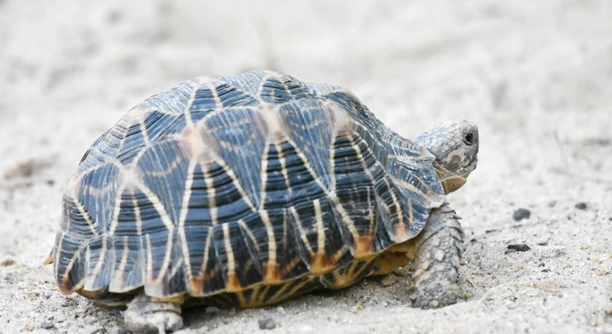
Indian Star Tortoises are known for their distinct appearance and fascinating behavior. However, it can be puzzling when your tortoise prefers hiding rather than basking. Understanding their habits can help in providing a better environment for them.
The preference for hiding over basking in Indian Star Tortoises is often linked to their natural instincts and environmental conditions. Tortoises are cold-blooded and may seek shelter if they feel threatened or if their basking area is not properly set up.
Learning more about what affects their comfort and well-being will give you insights into how to encourage proper basking behavior. Understanding these key factors can lead to a healthier, happier tortoise.
Why Do Indian Star Tortoises Prefer Hiding?
Indian Star Tortoises often prefer to hide instead of basking due to a mix of instincts and comfort. They are naturally shy creatures, and hiding helps them feel secure in an environment they perceive as safe. If they’re in a new space or don’t feel entirely at ease, they may retreat into their shell more often. Temperature and lighting play a major role as well. If the basking area is too hot or too cold, they may seek shelter to avoid stress. It’s essential to ensure your tortoise has a proper, balanced environment where they feel secure.
Their hiding behavior is also tied to their need for privacy. These tortoises are solitary by nature and can become stressed if they feel exposed. They are also more likely to hide when they’re not feeling well or if something in their environment has changed. Over time, they’ll become accustomed to their habitat if they feel comfortable and safe.
A tortoise’s hiding preference may also come from a lack of exposure to proper sunlight or UVB lighting. Without the correct exposure, basking may feel uncomfortable or less appealing. Ensuring the temperature in their basking area is optimal and their lighting is appropriate is crucial.
Creating the Right Environment for Your Tortoise
One of the best ways to encourage your tortoise to bask is by setting up a proper basking area.
Your tortoise needs access to a warm, well-lit spot in their habitat to feel comfortable basking. Without this, they may avoid basking altogether and retreat to cooler, darker areas. The basking area should be a consistent temperature between 90°F and 100°F to provide adequate warmth. A UVB light is necessary for their overall health, as it helps with calcium absorption. If they’re not receiving proper UVB, they may not bask as much. Adjusting the light levels and ensuring they can move in and out of warm and cool areas will give your tortoise the freedom to regulate their body temperature. The balance between light and warmth is key to their well-being. If these conditions aren’t met, they will continue to prefer hiding to basking.
Temperature and Lighting Factors
If the basking area is too hot or too cold, your tortoise may prefer hiding to regulate its body temperature.
Maintaining a consistent temperature in your tortoise’s environment is crucial. If the basking spot is too warm, it might become overwhelming, while a cool environment makes them feel vulnerable. A well-adjusted temperature allows them to bask comfortably without stress. Make sure that the basking area provides enough warmth without being excessively hot. Also, ensure the cooler areas offer a range for the tortoise to retreat to when needed.
Proper lighting, including UVB, is just as important. If the UVB light isn’t strong enough, they won’t feel the need to bask and may seek shelter to hide. UVB helps tortoises produce vitamin D3, which is vital for their calcium absorption.
Stress and Environmental Changes
Stress from unfamiliar surroundings or sudden changes can cause your tortoise to hide.
Changes in their environment, such as new decorations, sounds, or a change in habitat, can make your tortoise feel unsafe. A new area might overwhelm them, prompting them to hide more often. This behavior is natural as they try to adjust to their surroundings. Additionally, loud noises, too much activity around their enclosure, or the presence of other pets can cause anxiety. It’s important to keep the environment calm and stable for your tortoise. Give them time to acclimate before making further changes, and try not to disturb their space too much.
It’s also helpful to create a secluded spot in their enclosure where they can retreat when feeling stressed. This offers a sense of security and can help reduce their need to hide all the time.
Illness or Injury
If your tortoise is feeling unwell, it might hide to conserve energy.
Health issues such as infections or injuries can make your tortoise feel vulnerable and stressed. When sick or injured, they often seek shelter to protect themselves from potential threats. If you notice a sudden change in behavior, such as hiding more than usual, check for signs of illness.
Make sure to observe their eating habits, activity levels, and overall appearance for any changes that might indicate health problems. If necessary, consult a vet to rule out illness or injuries that could be affecting their behavior.
Overcrowding in the Habitat
Too many tortoises or animals in their space can create stress and cause them to hide.
If you have multiple animals in the same enclosure, overcrowding can lead to competition for resources and limited space. This can cause stress, making your tortoise retreat to a more secure area. Ensure your tortoise has enough room to move around without feeling cornered or threatened.
FAQ
Why is my Indian Star Tortoise hiding all the time?
Hiding is a natural behavior for tortoises when they feel stressed, unwell, or insecure. If your tortoise is hiding more than usual, it may be due to changes in their environment, temperature issues, or even health problems. Check the temperature and humidity levels in their habitat and ensure they’re not being disturbed too much. If they continue to hide for an extended period, it’s a good idea to consult a vet to rule out illness.
How can I encourage my tortoise to bask more?
To encourage basking, make sure your tortoise has access to a properly set up basking area. This should include a heat source that provides warmth between 90°F and 100°F and a UVB light to help with calcium absorption. Keep the basking area separate from cooler areas in their enclosure, allowing your tortoise to regulate its body temperature by moving between them.
Is it normal for my tortoise to hide when it’s too cold?
Yes, tortoises are cold-blooded, which means they rely on external heat sources to regulate their body temperature. If the environment is too cold, your tortoise will naturally seek shelter to warm up. Ensure their enclosure stays within the proper temperature range, with a warm basking spot and cooler zones for balance.
Can my tortoise hide because of stress?
Yes, stress is a common cause for tortoises to hide. Changes in their environment, like new pets, loud noises, or being handled too much, can cause them to retreat. It’s important to provide a calm, consistent space for your tortoise and avoid unnecessary disruptions to reduce stress.
How do I know if my tortoise is sick or just hiding?
If your tortoise is hiding more often than usual, it could be a sign of illness. Look for other symptoms such as loss of appetite, lethargy, abnormal breathing, or changes in the shell’s appearance. If any of these signs appear, it’s important to consult a vet to get a proper diagnosis.
How much hiding is normal for an Indian Star Tortoise?
It’s normal for an Indian Star Tortoise to occasionally hide, especially if they’re feeling insecure or need some privacy. However, if they are hiding all the time and not interacting with their environment, there may be a problem. A balance of basking and hiding is ideal for their well-being.
Should I worry if my tortoise hides under a rock or in a corner?
Hiding under a rock or in a corner is typical behavior for tortoises. They seek shelter for security, especially if they’re feeling overwhelmed. However, make sure they have access to an appropriate basking spot and that their hiding places are not too dark or uncomfortable. If they refuse to bask or eat, it’s worth investigating further.
Can I make my tortoise’s hiding spot more comfortable?
Yes, creating a comfortable hiding spot is essential for your tortoise’s well-being. Make sure it’s not too cramped and that it’s easy for them to move in and out. Provide some soft bedding like coconut coir or leaf litter to make it feel natural, and ensure the spot is safe and free from stressors.
How do I reduce stress for my tortoise?
To reduce stress, keep your tortoise’s environment calm and stable. Avoid handling them too much, especially in the first few weeks of bringing them home. Minimize loud noises, ensure they have enough space, and try to keep their habitat consistent. Also, make sure they have proper lighting and temperature for comfort.
Can improper lighting cause my tortoise to hide?
Yes, inadequate lighting can cause your tortoise to avoid basking and seek shelter instead. UVB lighting is crucial for their health, as it helps them process calcium and stay active. Without the right kind of light, they may feel uncomfortable and choose to hide more often. Ensure your tortoise has access to both heat and UVB light.
Why is my tortoise not eating and hiding more?
If your tortoise isn’t eating and is hiding more often, it may be a sign of stress or illness. Check for changes in their environment, like temperature fluctuations or new pets, that could be making them anxious. If these factors are ruled out, a visit to the vet is recommended to rule out health problems.
Can my tortoise hide to escape from other animals?
Yes, tortoises may hide if they feel threatened by other animals. If there are other pets or animals nearby, especially ones that may show interest in your tortoise, it can cause them to feel unsafe. Make sure their space is secure and that they are not being stressed by other animals.
Is it common for tortoises to hide when they’re shedding?
Yes, shedding can be stressful for tortoises, and they may hide to avoid feeling vulnerable. During this time, your tortoise might be more sensitive and prefer solitude. Ensure their environment is comfortable and that they’re not being disturbed while shedding.
How can I create a better hiding space for my tortoise?
To make a better hiding space, provide options like a small box, a rock cave, or a pile of leaves where your tortoise can feel secure. The hiding space should not be too dark or too hot. It should allow your tortoise to retreat without feeling trapped.
Can I keep multiple tortoises together, or will that make them hide more?
Indian Star Tortoises are solitary creatures by nature and may hide more if they feel crowded. Overcrowding can cause stress and force them to seek shelter more often. If you want to keep multiple tortoises, make sure each one has enough space to roam and bask without competition.
Final Thoughts
It’s important to remember that hiding is a natural behavior for Indian Star Tortoises. They are instinctively shy and seek out secure spaces when they feel stressed or overwhelmed. While it can be concerning when your tortoise hides more than usual, it doesn’t always indicate a problem. However, if the hiding behavior becomes excessive or is paired with other signs like loss of appetite or lethargy, it may be a good idea to assess their environment for stressors or health issues. Creating a stable, comfortable habitat is key to encouraging your tortoise to feel secure and more likely to bask.
The proper balance of temperature, lighting, and space in your tortoise’s habitat can make a significant difference. A consistent basking area with the right warmth and UVB lighting is essential for their health and well-being. Without these factors in place, your tortoise may avoid basking and prefer hiding to stay out of uncomfortable conditions. Temperature and humidity should be monitored regularly to ensure they remain within the ideal range. Even small changes in their environment, like lighting or noise levels, can impact their behavior, so it’s best to keep things as calm and predictable as possible.
If you’ve addressed environmental factors and your tortoise continues to hide more than expected, it’s important to observe any other signs of distress or illness. Health issues, stress from changes, or even improper care can all contribute to increased hiding. Regular check-ups with a vet can help rule out any medical concerns. Overall, the goal is to create a comfortable, safe space where your tortoise can feel secure enough to enjoy basking, exploring, and interacting with its surroundings. By understanding their behavior and taking the right steps to improve their habitat, you can help ensure your tortoise stays healthy and happy.

Hello,
If you enjoy the content that we create, please consider saying a "Thank You!" by leaving a tip.
Every little bit helps us continue crafting quality advice that supports the health, happiness, and well-being of pets around the world, for pets of all shapes, sizes, and species.
We really appreciate the kindness and support that you show us!