
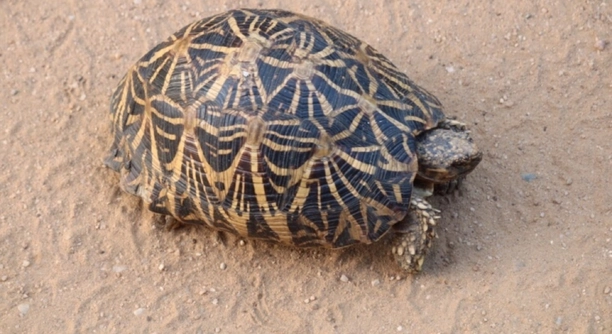
Indian star tortoises are unique and fascinating reptiles, but like all animals, they can experience allergic reactions. Knowing how to recognize symptoms of allergies is important to ensure their well-being. Understanding these signs can help you care for them better.
Indian star tortoises can develop allergies to certain foods, environmental factors, or substances they encounter. Symptoms include changes in behavior, skin irritation, respiratory issues, and more. Recognizing these signs early on allows for timely intervention and proper care.
Identifying these symptoms will help you ensure your tortoise stays healthy and comfortable. We’ll explore the most common signs of allergies and how to manage them.
Common Symptoms of Allergies in Indian Star Tortoises
When your Indian star tortoise is allergic to something, the signs can vary. The most noticeable symptoms are often changes in their behavior and appearance. They may become more lethargic, eating less or avoiding their usual activities. Their skin might show redness, rashes, or swelling. Respiratory problems like sneezing or wheezing can also occur, as well as watery eyes or runny noses. These symptoms can range from mild to severe, so it’s important to observe your tortoise closely and act quickly if these signs appear. Allergies can often be traced to their environment, food, or even the materials in their habitat.
Tortoises with allergies might have swollen eyes, discharge, or difficulty breathing. You should keep an eye on these behaviors to catch any allergies early. Regularly clean their living area to reduce exposure to allergens.
Some tortoises might develop allergy symptoms when exposed to mold, dust, or even certain plants. It’s essential to keep their environment clean and ensure they’re not eating anything harmful. Offering a balanced diet can also help avoid triggers. For tortoises that are particularly sensitive, avoiding certain bedding materials or changes in the habitat can provide relief. Consulting with a vet is recommended for proper diagnosis and treatment. By staying proactive, you can help minimize allergic reactions and keep your tortoise comfortable and healthy.
How to Manage Allergies in Indian Star Tortoises
Managing allergies in your tortoise requires consistent monitoring and adjustments to their habitat.
If your tortoise shows signs of an allergy, removing the potential allergens is key. Start by changing their bedding, ensuring no mold or dust is present. Avoid certain plants that may cause irritation.
Identifying Skin Reactions in Indian Star Tortoises
Skin reactions are one of the first signs of an allergy in Indian star tortoises. The most common reactions include swelling, redness, and irritation, often seen around the eyes, mouth, or legs.
If your tortoise develops any noticeable swelling or redness, it’s a sign they might be allergic to something in their environment. Skin irritation can also result from certain plants or food items. It’s important to identify what’s causing the reaction by checking what your tortoise has been exposed to recently.
To help ease the irritation, gently clean the affected areas with warm water. If the symptoms persist, it’s essential to consult a vet. Avoiding contact with the suspected allergen is the best way to prevent further skin reactions. Keeping their living area clean and free from irritants will also help manage these issues.
Respiratory Issues and Allergies in Indian Star Tortoises
Respiratory issues like sneezing, wheezing, or nasal discharge are common symptoms of allergies. These issues are often triggered by dust, mold, or certain foods.
Allergic reactions affecting the respiratory system can lead to discomfort for your tortoise. If they start to breathe more heavily, make strange sounds, or have a runny nose, it’s important to assess their environment. Mold and dust particles can easily cause these symptoms, so cleaning their habitat regularly is crucial.
In severe cases, respiratory problems might develop into infections, requiring prompt veterinary attention. Avoid using bedding materials that may release dust or mold spores. Switching to hypoallergenic bedding and ensuring good ventilation in their enclosure will help prevent future respiratory distress.
Changes in Appetite Due to Allergies in Indian Star Tortoises
If your tortoise suddenly loses interest in food, it could be due to an allergic reaction. Allergies can cause discomfort, leading them to eat less or refuse food altogether.
Allergic reactions affect the digestive system, making your tortoise feel unwell. Loss of appetite is a sign to monitor closely. If the lack of interest in food continues for more than a couple of days, consult a vet to rule out more serious issues. Keep their environment free from allergens to help them regain their appetite.
Allergic Eye Reactions in Indian Star Tortoises
Allergic reactions in the eyes can cause swelling, discharge, and excessive tearing. These symptoms are often linked to allergens in the environment, like dust or mold.
Excessive tearing or crusty discharge around the eyes can be uncomfortable for your tortoise. If your tortoise is squinting or rubbing their eyes, it’s a clear indication of irritation. Make sure their enclosure is free of mold and dust, and avoid introducing new plants that could cause irritation. If symptoms persist, seek professional advice to treat the underlying cause.
Behavior Changes in Response to Allergies
Allergies can alter the behavior of an Indian star tortoise. They may become more withdrawn, stressed, or even aggressive.
Stress from allergies can make your tortoise less active, even leading them to hide more than usual. Keep an eye out for these behavioral shifts, as they can signal that something is wrong. Ensure their living space is free of stress-inducing elements, such as allergens, and that they have a quiet, comfortable area to retreat. Regularly check for changes in behavior, and act quickly if something seems off.
FAQ
What are the most common allergens for Indian star tortoises?
Indian star tortoises can be allergic to various environmental factors such as mold, dust, and certain plants. Additionally, food allergens like specific fruits or vegetables may cause irritation. Identifying these allergens requires careful monitoring of their environment and diet.
How can I tell if my tortoise has an allergy?
Look for signs such as skin rashes, eye discharge, sneezing, or changes in behavior like lethargy or loss of appetite. Any sudden shifts in their typical routine can be a sign of an allergic reaction. It’s important to keep track of these symptoms and make environmental adjustments.
Can a tortoise’s diet trigger allergies?
Yes, certain foods may trigger allergic reactions in tortoises. Common allergens include citrus fruits, dairy, or high-protein foods that may upset their digestive system. Observing your tortoise’s reactions after feeding different foods can help identify potential triggers.
Should I stop feeding my tortoise if they show signs of an allergy?
If your tortoise shows symptoms of an allergy after eating, remove the suspected food immediately and observe their reaction. It’s essential to replace the food with something they tolerate better. If symptoms persist, consult a veterinarian for advice on an appropriate diet.
How do I manage allergies in my tortoise’s habitat?
Maintaining a clean environment is crucial in managing allergies. Regularly change bedding, remove mold or dust, and ensure the enclosure is well-ventilated. Avoid using materials like pine or cedar bedding, which can irritate their respiratory system.
Can allergies cause behavioral changes in tortoises?
Yes, allergies can cause behavioral shifts in tortoises. They might become more withdrawn, lethargic, or irritable. Allergies lead to discomfort, which can affect their daily routine. If your tortoise shows noticeable behavioral changes, check for signs of allergies and make necessary adjustments.
Are allergic reactions in tortoises life-threatening?
While allergic reactions can be serious, they are usually not life-threatening if caught early. However, severe reactions, like respiratory distress or extreme swelling, should be treated immediately. If you notice any concerning symptoms, contact a veterinarian to ensure your tortoise’s health.
Can stress contribute to allergic reactions in tortoises?
Yes, stress can exacerbate allergic reactions. Tortoises under stress may experience weakened immune systems, making them more susceptible to allergens. Ensure your tortoise’s habitat is quiet and free from excessive handling or environmental changes that could trigger stress.
How long do allergic reactions in tortoises last?
The duration of allergic reactions varies depending on the severity and cause of the allergy. Mild reactions may resolve within a few hours or days once the allergen is removed, while more severe reactions might take longer. It’s best to monitor their recovery and consult a vet if symptoms persist.
What is the best bedding for a tortoise with allergies?
Hypoallergenic bedding such as coconut coir, aspen, or shredded newspaper is recommended for tortoises with allergies. Avoid using cedar or pine, as these materials can release harmful oils that irritate their respiratory system. Regular cleaning and changing the bedding are key to preventing allergens from building up.
Is there a specific time of year when allergies are worse for tortoises?
Seasonal changes can affect allergy severity. For instance, during the warmer months, dust, mold, and pollen levels tend to rise, which can worsen allergic reactions. Keep your tortoise’s habitat clean and ensure proper humidity levels year-round to minimize allergens in the environment.
Can my tortoise have an allergic reaction to something new in their enclosure?
Yes, introducing new items to the tortoise’s enclosure can cause allergic reactions. Be cautious when adding new plants, bedding, or decorations. Always ensure any new additions are safe and non-toxic before placing them in their living space.
What should I do if my tortoise develops a respiratory infection due to allergies?
If your tortoise shows signs of a respiratory infection, such as wheezing, coughing, or excessive nasal discharge, it’s essential to seek veterinary care. Infections can be serious if left untreated, and your vet may prescribe medication to address both the infection and any underlying allergies.
How can I prevent allergies from affecting my tortoise in the future?
Prevention involves regular cleaning of their habitat, maintaining proper humidity and temperature levels, and offering a balanced, non-allergenic diet. Be mindful of environmental changes and possible allergens in their surroundings. Monitoring your tortoise for any signs of discomfort will help catch any issues early.
Final Thoughts
Understanding allergies in Indian star tortoises is crucial for their well-being. These animals are sensitive to environmental changes, and recognizing signs of allergies early can prevent long-term discomfort. Symptoms such as changes in appetite, behavior, or eye discharge are often the first indicators that something may be wrong. By keeping their habitat clean and free from allergens, you help reduce the risk of allergic reactions. Monitoring their diet and environment closely will also allow you to identify potential triggers.
When managing allergies in tortoises, it’s important to focus on their overall health. A balanced diet, clean living conditions, and reducing exposure to allergens can make a significant difference in how they feel. If an allergic reaction occurs, the most important step is removing the irritant from their environment and providing immediate care. Consulting with a veterinarian ensures your tortoise receives the proper treatment, especially if symptoms persist or worsen. Your vet can help pinpoint specific allergens and suggest changes that can improve their quality of life.
While allergies may not always be life-threatening, they can cause significant distress to your tortoise if left unchecked. The key is to recognize the signs early and make adjustments as needed. With attention to detail and proper care, your tortoise can live comfortably despite having allergies. By maintaining a safe, healthy environment, you ensure your tortoise’s happiness and well-being for years to come.

Hello,
If you enjoy the content that we create, please consider saying a "Thank You!" by leaving a tip.
Every little bit helps us continue crafting quality advice that supports the health, happiness, and well-being of pets around the world, for pets of all shapes, sizes, and species.
We really appreciate the kindness and support that you show us!