
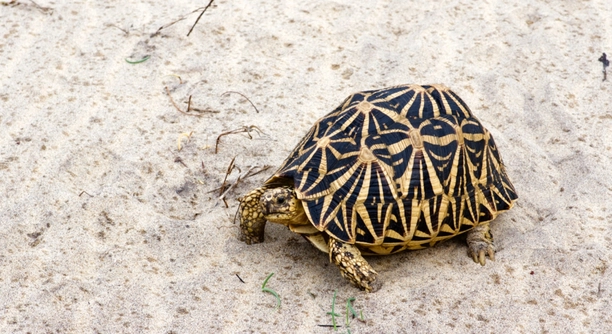
Allowing Indian star tortoises to roam indoors can be an enriching experience, but it requires specific precautions to ensure their safety and well-being. These tortoises are curious creatures and need careful monitoring.
To keep your Indian star tortoise safe indoors, ensure that their environment is secure, free of hazards, and suitable for their activity. Remove any items they may ingest, and provide safe spaces where they can roam freely without risk of injury.
Taking these precautions will help create a safe and stimulating environment for your tortoise to explore indoors.
Protecting Your Tortoise from Harmful Objects
One of the key concerns when allowing an Indian star tortoise to roam indoors is the potential danger of household items. Many objects that we may not think twice about can pose serious risks to your tortoise. Common items like small toys, electrical cords, or sharp objects can be harmful. The tortoise may unintentionally ingest small items, leading to health problems. Additionally, if your home has any fragile decor or breakables, they should be moved out of the tortoise’s reach.
Creating a designated area free of harmful items can allow your tortoise to roam safely and comfortably. Make sure to inspect the space for any possible hazards.
Providing your tortoise with a safe and clean environment is essential. Keeping the floor free of small objects and ensuring that there is no access to dangerous materials will reduce the risk of accidents. Ensure that any furniture they can climb on is sturdy, as falling from heights can cause injury. It is also important to check for any chemicals or cleaning agents in the space that could be harmful to your tortoise’s sensitive system.
Temperature Control Matters
Temperature regulation is another essential factor to consider. Indoor spaces can fluctuate in temperature, which may not always suit your tortoise’s needs. Ensure that the area where they roam is warm enough to maintain their comfort. A cool room may cause them to become sluggish or even sick, while a very hot environment could stress them out.
Monitor the temperature regularly to create a balanced environment. Ideal temperatures for Indian star tortoises range between 75°F and 85°F during the day, with slightly cooler temperatures at night. Use a thermometer to ensure that the room maintains a consistent temperature. If the indoor temperature is too cold, consider adding a heat source, such as a heating pad or lamp, placed safely away from your tortoise’s reach. Avoid direct exposure to strong heat sources that could lead to burns. Keeping your tortoise within this temperature range ensures they can move around comfortably and remain healthy.
Supervision is Crucial
Supervising your Indian star tortoise while it roams indoors is vital for its safety. Even though they are relatively slow, tortoises can get into unexpected situations. Without supervision, they may wander into dangerous spots, such as under furniture or into areas with electrical cords.
It’s best to keep an eye on your tortoise, especially when they’re moving freely. If you’re busy with other tasks, it may be helpful to create a safe, confined space for them to explore. By staying vigilant, you can prevent your tortoise from getting into risky situations.
If you can’t supervise your tortoise at all times, setting up barriers or a safe pen area will give them room to roam without the same level of risk. You can also provide stimulation through toys or objects they can interact with, ensuring they remain mentally engaged. This will allow them to explore safely while also being monitored when necessary.
Adequate Lighting
Indian star tortoises need adequate lighting for healthy shell growth and overall well-being. The indoor lighting should mimic natural sunlight. UVB lighting is essential for them to synthesize Vitamin D3, which helps in calcium absorption. Without it, they may develop shell deformities.
Consider setting up a UVB light source that mimics natural sunlight. These lights should be positioned within reach of your tortoise but should not be too close to avoid overheating. Depending on the light type, you may need to change it every six months. Ensure that the lighting is on for about 12 hours a day to provide a proper day-night cycle.
Without appropriate lighting, your tortoise may struggle with its health, particularly its ability to properly digest food and absorb nutrients. As they cannot synthesize Vitamin D from the sun indoors, a good UVB light source is crucial for their long-term health and development.
Providing a Safe and Comfortable Surface
The surface your tortoise roams on can impact its comfort and health. Hard surfaces like tile or hardwood can be slippery and may cause injury if they fall. It’s important to offer soft, non-slippery surfaces.
Soft mats, carpets, or towels can provide a safer environment for your tortoise to explore. These surfaces help reduce the risk of slipping and provide some cushion in case of falls. Also, make sure the surfaces are clean and free of debris, as small objects could be harmful if ingested.
Avoiding Household Chemicals
Household cleaning products and chemicals pose a significant danger to your tortoise. Even small amounts of chemicals can cause health problems if your tortoise ingests or comes into contact with them. Keep all cleaning supplies securely stored away from their roaming area.
Toxic substances, like cleaners and pesticides, should be kept in cabinets or areas that are completely inaccessible to your tortoise. Always read labels to ensure any products you use are safe for animals. Be cautious of lingering fumes or residues left from cleaning, as they can be harmful to tortoises.
Ensuring Proper Hydration
Water is crucial for your tortoise’s overall health. Keep a shallow water dish in their roaming area. Make sure it’s always clean and full, as dehydration can lead to serious health problems. Tortoises may not drink as often as other pets, but regular access to fresh water is essential.
Water bowls should be shallow to prevent the tortoise from accidentally drowning. It’s also important to monitor the water level to ensure it’s never empty. Regular cleaning of the water bowl is necessary to keep bacteria from growing. Always ensure the water is fresh and clean each day to support your tortoise’s hydration needs.
FAQ
How much space does my Indian star tortoise need indoors?
Indian star tortoises need ample space to move around. It’s essential to provide them with a safe, spacious area where they can roam freely. A minimum of 4 square feet of space is recommended for each adult tortoise. However, the more space, the better. This allows them to explore, stretch, and get adequate exercise. Be mindful of obstacles or hazards in the space, and ensure they have plenty of room to move around without getting stuck. An enclosed area or pen with walls can keep them safe while still giving them room to roam.
Can I let my Indian star tortoise roam freely in my house?
While allowing your tortoise to roam freely is possible, it requires careful preparation and supervision. You must ensure that the space is secure and free from potential dangers. Electrical cords, sharp objects, or any small items they could ingest should be removed from their roaming area. Areas like the kitchen or bathroom, where there may be hazards or chemicals, should be avoided. Creating a dedicated, secure space indoors where your tortoise can roam safely is a better option. If you cannot supervise them constantly, a safe pen is a good alternative.
Do Indian star tortoises need UVB light indoors?
Yes, UVB light is crucial for your tortoise’s health, especially indoors. It helps them produce Vitamin D3, which is essential for calcium absorption and maintaining a healthy shell. Without proper UVB exposure, your tortoise may develop metabolic bone disease, leading to deformities. A UVB light should be provided for 10-12 hours a day, mimicking natural sunlight. Ensure the light is positioned correctly to allow your tortoise access to it while being safe from direct heat. Replace the bulb regularly, as UVB rays lose their effectiveness over time.
How do I keep my tortoise warm indoors?
Temperature control is essential for your tortoise’s well-being. Indoors, the temperature should be kept between 75°F and 85°F during the day. At night, the temperature can drop slightly but should not fall below 70°F. Using a heat lamp or heating pad can help maintain warmth in cooler areas of your home. Be sure to monitor the temperature regularly with a thermometer to ensure it remains consistent. Avoid placing your tortoise too close to a heat source, as excessive heat can cause stress or burns.
What type of flooring is best for an indoor tortoise?
The flooring in your tortoise’s roaming area should be non-slippery and comfortable. Hard surfaces like tiles or hardwood can be slippery and cause injury if your tortoise falls. Soft materials, such as rugs, towels, or mats, provide a better surface. These materials help absorb some of the impacts if the tortoise falls and are easier on their feet. Make sure to clean the flooring regularly to remove any dirt or debris that could be harmful to your tortoise. Avoid using carpets with high-pile, as they can be difficult to clean and may trap bacteria.
How do I ensure my tortoise has enough exercise indoors?
Providing enough exercise is important for your tortoise’s health. Allow your tortoise to roam in a large, safe area with plenty of room to move. You can add obstacles such as rocks, safe plants, or other objects for them to climb over. These obstacles encourage physical activity and mental stimulation. Additionally, allow your tortoise to explore different areas of your home, but only under supervision. If you have a small space, consider providing a larger pen or an outdoor enclosure, weather permitting. Regular movement and exercise help keep their muscles strong and support overall health.
Can I feed my Indian star tortoise indoors?
Yes, you can feed your tortoise indoors. It’s essential to offer a variety of fresh, leafy greens and vegetables. Avoid feeding them high-fat or high-protein foods, as this can lead to obesity or other health issues. A shallow food dish works well for feeding your tortoise, but make sure it’s clean and changed regularly to avoid contamination. Keep water accessible at all times to encourage hydration. Remember to remove any uneaten food after a few hours to prevent it from spoiling or attracting pests.
Are there any indoor plants that are safe for my tortoise?
There are many safe, non-toxic plants for your tortoise that can add variety to their environment. Some common choices include dandelion greens, clover, and hibiscus flowers. However, be sure to avoid plants that are toxic to tortoises, such as lilies, oleander, and daffodils. It’s important to research plants thoroughly before introducing them to your tortoise’s indoor area. Always check that any plants your tortoise may have access to are safe and free from pesticides or chemicals. Fresh, safe plants offer both dietary variety and enrichment for your tortoise.
How often should I clean my tortoise’s indoor space?
Regular cleaning is essential for maintaining a healthy environment for your tortoise. At a minimum, you should clean their space once a week. This includes removing waste, cleaning water and food dishes, and wiping down surfaces. If there are any soiled areas, clean them immediately to prevent bacteria buildup. Use non-toxic, pet-safe cleaners to sanitize the space. The more frequently you clean, the less risk there is for infection or illness. Regular cleaning also ensures a pleasant, safe environment for your tortoise to roam in without harmful germs.
What should I do if my tortoise isn’t eating or acting normally?
If your tortoise is not eating or showing signs of lethargy, there could be underlying health issues. Stress, improper lighting, or a wrong diet can cause these behaviors. Ensure that your tortoise has proper UVB light, a comfortable temperature, and access to fresh food and water. If they continue to act lethargic or refuse to eat, it may be time to consult a veterinarian. A professional will be able to diagnose any health problems and offer guidance on how to care for your tortoise properly.
Final Thoughts
Allowing your Indian star tortoise to roam indoors can be a rewarding experience, but it requires careful preparation and attention to their needs. By providing a safe, spacious environment, you ensure that your tortoise remains active and healthy. An indoor roaming area should be secure, free of hazards, and large enough for them to explore comfortably. Consider using non-slip flooring and providing a variety of surfaces to keep your tortoise’s movements natural. Proper temperature and lighting are also crucial for their health, and you should monitor these elements regularly. A controlled environment allows you to maintain the right conditions for your tortoise year-round, making indoor roaming a practical option.
It’s important to remember that while roaming indoors can be beneficial, it also requires constant supervision. Tortoises are curious creatures and may get into areas where they could be injured or exposed to dangers. Electrical cords, sharp objects, or toxic plants should be removed from their path. If you cannot supervise them at all times, creating a dedicated, safe space for them to roam can help. Providing proper enrichment, such as climbing structures and safe plants, will help prevent boredom and encourage physical activity. Your tortoise’s well-being is linked to the environment you create, so ensuring their space is secure and comfortable should be a top priority.
In conclusion, indoor roaming can be a great way to enrich your Indian star tortoise’s life, as long as you take the necessary steps to keep them safe and healthy. By considering factors such as space, temperature, lighting, and supervision, you can create an ideal indoor habitat. Don’t forget to monitor their behavior and health regularly. If any issues arise, seeking advice from a veterinarian will help address them promptly. With the right care, your tortoise can enjoy a happy and active life indoors.

Hello,
If you enjoy the content that we create, please consider saying a "Thank You!" by leaving a tip.
Every little bit helps us continue crafting quality advice that supports the health, happiness, and well-being of pets around the world, for pets of all shapes, sizes, and species.
We really appreciate the kindness and support that you show us!