
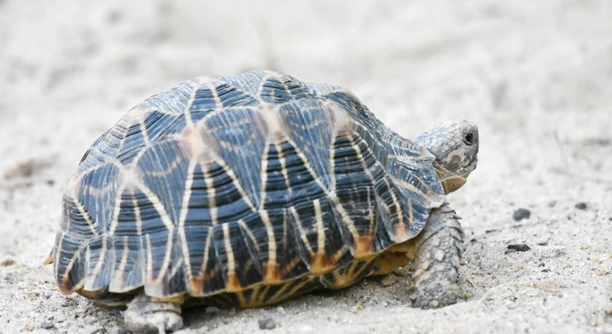
Overgrown nails in Indian Star Tortoises can cause discomfort and mobility issues if not properly managed. This is a common problem faced by tortoise owners, but it can be resolved with the right care.
Trimming overgrown nails in Indian Star Tortoises involves careful attention and regular maintenance. You can use specialized tools and techniques to safely cut their nails, ensuring their well-being and preventing any further complications.
Proper nail care is essential for your tortoise’s health. Learn how to manage overgrown nails effectively with simple and practical steps.
Why Tortoise Nails Overgrow
Overgrown nails are a common issue for Indian Star Tortoises, and they can be caused by several factors. One primary reason is insufficient natural wear. In the wild, tortoises’ nails naturally wear down from walking on rough surfaces. However, in captivity, they may not get the chance to walk on these surfaces, leading to longer nails. If they are kept in enclosures with soft bedding or limited space to roam, their nails can grow longer than necessary. Another factor is poor diet, which can affect the health of their nails and bones. It is essential to monitor their environment and diet closely to prevent nail overgrowth.
Nail overgrowth can also lead to other health issues if not treated. Long nails can cause discomfort and affect the tortoise’s ability to walk properly, resulting in joint stress or even injury. Regular trimming is vital to maintaining your tortoise’s overall health.
Ensuring your Indian Star Tortoise gets enough exercise and has a proper diet is crucial. Consider providing a more suitable environment with rougher surfaces to help wear down their nails naturally. Regular monitoring will help catch the issue early.
Tools You’ll Need
To safely trim your tortoise’s nails, you’ll need a few essential tools. Nail clippers designed for reptiles or small animals are ideal. These clippers are often sharp and precise, ensuring a clean cut without harming the tortoise. Additionally, a styptic powder can help stop bleeding in case you accidentally cut too close to the quick. Lastly, a small towel or cloth can be useful for wrapping your tortoise to keep them calm during the process.
Using the right tools is key to safely trimming nails without causing stress or injury to your tortoise. Avoid using regular human nail clippers as they may not provide the precision needed for small reptile nails.
A calm, patient approach is important. Take your time, and make sure your tortoise is in a relaxed state before starting. Avoid rushing through the process, as it can cause unnecessary stress.
How to Trim Overgrown Nails
To trim your tortoise’s nails, gently hold its feet and carefully assess the nail length. Avoid cutting too close to the quick, as this can cause bleeding and pain. If the nails are visibly overgrown, trim small amounts at a time, always leaving a bit of the nail to avoid injury.
Start by using reptile-specific nail clippers. Gently clip off small sections of the nail, taking care not to cut too far down. If you accidentally cut too deep, apply styptic powder immediately to stop bleeding. Some tortoises may resist, so wrap them in a towel for added control. The key is to stay calm and take your time.
If your tortoise’s nails are excessively overgrown, it may be helpful to trim them gradually over several sessions. This way, you reduce stress and avoid harming the tortoise. Ensure the surrounding environment is calm and free from distractions. After trimming, allow your tortoise to walk around freely to check for any discomfort or imbalance.
Preventing Nail Overgrowth
To prevent future nail overgrowth, create an environment where your tortoise can naturally wear down its nails. Consider providing rougher surfaces, such as stones or rocks, in their enclosure. These surfaces will encourage your tortoise to walk more, helping to naturally file down the nails over time.
In addition to providing rough surfaces, ensure your tortoise has access to a large enough space to roam. The more they walk, the more likely their nails will remain at a manageable length. Additionally, a proper diet plays a role in the health of their nails. Calcium and vitamin D3 are essential for strong, healthy bones and nails.
When to Trim Nails
Trimming should be done when your tortoise’s nails become noticeably long. Regularly inspect their nails to check for any overgrowth. If the nails are starting to curl or grow unevenly, it’s time to trim them to ensure your tortoise remains comfortable and mobile.
Trimming should be done every few months, depending on the wear your tortoise gets from its environment. If they spend a lot of time on soft bedding, you may need to trim more frequently. If they have rough surfaces to walk on, their nails may naturally stay at an ideal length.
Signs of Nail Issues
If your tortoise shows difficulty walking or balancing, it could be due to overgrown nails. Long nails can also cause the tortoise to develop sores or abrasions on its feet, which can lead to infections. These signs require immediate attention to prevent further complications.
Monitor your tortoise closely for any signs of distress, such as limping or reluctance to move. These are red flags that their nails may be too long or causing discomfort. Regular checkups are crucial for identifying and addressing these issues early.
FAQ
How often should I trim my tortoise’s nails?
The frequency of trimming depends on the environment your tortoise is in. If your tortoise spends most of its time on soft bedding, you may need to trim their nails every 4 to 6 weeks. However, if it’s on rougher surfaces, you may only need to trim every 2 to 3 months. Regular inspection is key to determining when a trim is necessary.
Can I use regular human nail clippers on my tortoise?
No, it’s better to use reptile-specific nail clippers or small animal nail clippers. These tools are designed to handle the toughness of a tortoise’s nails and provide a more precise, clean cut. Regular human clippers may not be sharp enough and could cause uneven or harmful cuts.
Is it safe to trim my tortoise’s nails?
Yes, as long as you take precautions and use the right tools. Trimming should be done carefully to avoid cutting into the quick, which can cause pain and bleeding. If you’re unsure, it’s always a good idea to consult with a veterinarian or professional who has experience with reptiles.
What happens if I cut my tortoise’s nails too short?
If you accidentally cut too close to the quick, it can lead to bleeding and discomfort. In such cases, use styptic powder to stop the bleeding. If you’re unsure how much to trim, it’s safer to trim small sections at a time rather than risk cutting too much.
Can overgrown nails affect my tortoise’s health?
Yes, overgrown nails can affect your tortoise’s ability to walk and move comfortably. They may lead to joint stress, balance issues, or even sores on the feet. In severe cases, nails that are left untrimmed for too long can cause permanent deformities or injury.
What should I do if my tortoise’s nails are too long?
If your tortoise’s nails are excessively long, it’s important to trim them as soon as possible. Trim small amounts over multiple sessions to avoid causing stress or injury. Make sure to monitor for any discomfort or signs of infection after trimming.
How can I prevent my tortoise’s nails from overgrowing?
To prevent overgrown nails, provide your tortoise with rough surfaces like rocks or stones to walk on. This will help naturally wear down the nails. Additionally, ensure that your tortoise has a large enough enclosure to roam freely, as exercise contributes to nail wear.
Can I trim my tortoise’s nails myself or should I take them to the vet?
While it’s safe to trim your tortoise’s nails yourself, it’s important to be cautious and well-prepared. If you’re unsure or uncomfortable with the process, you can take your tortoise to a veterinarian who specializes in reptiles. They can show you the proper technique and help if there are any complications.
What is the best way to calm my tortoise during a nail trim?
To keep your tortoise calm, wrap it gently in a towel, leaving its legs exposed. This will help reduce movement and stress. Ensure you are in a quiet, calm environment to avoid sudden noises that might startle your tortoise. Patience is important to ensure a smooth process.
Are there any signs that my tortoise’s nails are too long?
Yes, signs that your tortoise’s nails are too long include difficulty walking, limping, or nails that are visibly curling or growing at an unnatural angle. If you notice any of these symptoms, it’s time to trim their nails. Keep an eye on their movement, especially during exercise time.
Final Thoughts
Taking care of your Indian Star Tortoise’s nails is an essential part of their overall health and well-being. Overgrown nails can cause discomfort and mobility issues, so regular nail checks and trims are necessary. Keeping an eye on their nails ensures that your tortoise remains active and comfortable in its environment. While trimming may seem intimidating at first, with the right tools and patience, you can manage it yourself.
Preventing nail overgrowth is just as important as trimming them when needed. By providing your tortoise with rough surfaces to walk on, such as rocks or textured areas in their enclosure, their nails can naturally wear down over time. A well-maintained habitat and an active tortoise will reduce the frequency of trims. Proper nutrition also plays a role in maintaining healthy nails, so make sure your tortoise is receiving the right balance of vitamins and minerals.
If you are ever uncertain about trimming your tortoise’s nails or if your tortoise experiences complications, consulting with a veterinarian is always a good idea. A professional can help guide you through the process and ensure your tortoise’s nails stay healthy and well-maintained. Proper care will help keep your tortoise happy and prevent future health problems related to overgrown nails.

Hello,
If you enjoy the content that we create, please consider saying a "Thank You!" by leaving a tip.
Every little bit helps us continue crafting quality advice that supports the health, happiness, and well-being of pets around the world, for pets of all shapes, sizes, and species.
We really appreciate the kindness and support that you show us!