
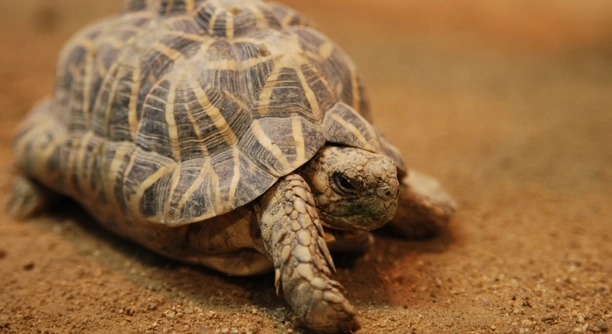
Your Indian star tortoise may sometimes sleep outside its hide, which could be concerning. Understanding the reasons behind this behavior helps address potential issues and provides the necessary care for your pet’s well-being.
The main reason your Indian star tortoise is sleeping outside its hide could be due to environmental factors, such as temperature or humidity. Tortoises naturally seek shelter when they feel the need for warmth, rest, or safety.
This behavior can indicate an imbalance in their habitat conditions. Adjusting the environment can help ensure their comfort and health.
Possible Environmental Stressors
If your Indian star tortoise is regularly found outside its hide, it could be reacting to changes in its environment. Tortoises rely heavily on temperature and humidity to regulate their behavior. If the habitat is too warm or too cold, they may move around to find a better spot. Overexposure to light or drafts could also make them uncomfortable, pushing them to sleep outside their hide. Ensure their enclosure has consistent temperatures, ranging from 75°F to 85°F during the day, and slightly cooler at night. Proper humidity levels, around 50-70%, will also help maintain a comfortable space.
If the temperature is not well-regulated, your tortoise may feel the need to seek shelter. A heating lamp or ceramic heat emitter can help. A thermometer and hygrometer will give you accurate readings of both the temperature and humidity, ensuring the environment stays within a safe range.
Make sure there are enough cool and warm areas in their habitat to give your tortoise options. When all environmental factors are optimal, they should feel comfortable in their hide. Without proper temperature control, however, this behavior may persist.
Health Issues to Consider
Sometimes, when a tortoise sleeps outside its hide, it could indicate health concerns. Illnesses or discomfort can cause changes in behavior, including sleeping in unusual spots. This could be a sign that your tortoise isn’t feeling well and may need medical attention.
If environmental factors are ruled out and your tortoise continues to sleep outside its hide, it’s important to check for any signs of illness. A change in diet, lethargy, or abnormal behavior should not be ignored. Tortoises may show symptoms of respiratory issues, shell infections, or parasites by avoiding their usual hiding places. These conditions can lead to increased stress or a weakened immune system.
Temperature Fluctuations
Temperature changes can have a big impact on your tortoise’s behavior. If the temperature in the enclosure is unstable, your tortoise may seek out a spot that feels more comfortable, even if it means staying outside its hide. This could be due to direct sunlight, a draft, or poor heating.
To maintain a stable environment, ensure your tortoise’s habitat has a warm area and a cooler one for balance. Use heating elements carefully, ensuring they don’t create hot spots. A well-regulated environment, with temperature fluctuations kept to a minimum, will keep your tortoise in its preferred hide for rest.
Monitoring the temperature regularly can help prevent these issues. A reliable thermometer will show if there are areas too hot or too cold, and you can make adjustments accordingly. Consistency is key. Ensure you don’t overheat or cool down the space, as these shifts can make your tortoise uncomfortable and cause it to sleep outside its hide.
Humidity Levels
Humidity plays a significant role in a tortoise’s comfort. If the humidity in the enclosure is either too low or too high, your Indian star tortoise may sleep outside its hide in an attempt to find more suitable conditions. Too much humidity can make the habitat feel stuffy, while low humidity can lead to dehydration.
Maintaining a steady humidity level between 50 and 70% is ideal for your tortoise. A hygrometer can measure this, so you know if the air is too dry or too damp. If humidity drops, you can add a water dish or mist the enclosure. If it’s too high, you may need to increase ventilation or reduce water sources.
The right humidity supports your tortoise’s skin and overall health. When it’s maintained properly, your tortoise will feel safe and secure in its hide. If humidity isn’t regulated, it can stress your pet and make it behave unusually, such as sleeping outside its hide.
Enclosure Size
An enclosure that is too small can make your tortoise feel cramped and stressed. If the space isn’t large enough for your tortoise to move around freely, it may avoid its hide in search of a more comfortable area to rest.
If your tortoise feels restricted, it could try to find a spot outside its hide to stretch out. Make sure the enclosure provides ample space for movement, and try to include areas for basking, hiding, and foraging. A larger habitat will give your tortoise the option to explore and find its ideal resting spot.
Having enough space in the enclosure reduces stress and helps your tortoise feel more secure in its environment. It encourages natural behaviors, such as burrowing or hiding, and can prevent your tortoise from sleeping outside its hide. If your tortoise seems stressed, adjusting the enclosure size can improve its comfort.
Lighting and UVB Exposure
Lack of proper lighting and UVB exposure may cause your tortoise to avoid its hide. Tortoises need UVB light to synthesize vitamin D3, which is crucial for calcium absorption and overall health. Without adequate lighting, they may behave in ways that indicate discomfort.
UVB lighting should be provided for about 10-12 hours a day. Without this essential light, your tortoise could become lethargic or seek out more direct light. Make sure your UVB light is positioned correctly, and replace it regularly, as its effectiveness decreases over time.
Providing proper lighting and UVB exposure ensures your tortoise stays healthy and active. A well-lit enclosure allows your tortoise to regulate its behavior, rest properly, and feel safe in its hide. Without this light, your tortoise may feel unwell or restless, which can cause it to sleep outside its hide.
Basking Spot
A basking spot is essential for a tortoise’s health and comfort. If the basking area is too hot, too cold, or inaccessible, your tortoise may choose to sleep outside its hide. It’s important that the basking spot is set to the right temperature to keep your tortoise comfortable.
The basking area should be around 90-95°F, providing a safe and warm spot for your tortoise to regulate its body temperature. If it’s too hot, your tortoise may move to a cooler area outside its hide. If it’s too cold, the tortoise might avoid the basking area altogether.
Maintaining an ideal basking spot helps your tortoise regulate its body temperature and promotes overall health. Without it, your tortoise may become stressed or uncomfortable, leading it to sleep outside its hide. Providing a consistent and suitable basking spot encourages your tortoise to feel secure and well-cared for.
FAQ
Why is my Indian star tortoise spending so much time outside its hide?
Your tortoise may be outside its hide due to environmental factors such as temperature, humidity, or lighting issues. If these conditions aren’t ideal, it may be searching for a more comfortable space to rest. Check the temperature, humidity, and UVB light levels in its enclosure. A comfortable habitat encourages your tortoise to stay in its hide.
How can I improve the environment for my tortoise?
To create a better environment, ensure the temperature ranges from 75°F to 85°F during the day and slightly cooler at night. Maintain humidity levels between 50-70%. Ensure there is adequate UVB light for at least 10-12 hours a day. Also, offer enough space for your tortoise to roam, bask, and hide.
What if the temperature in my tortoise’s enclosure is unstable?
If the temperature fluctuates too much, your tortoise may feel uncomfortable and avoid its hide. Make sure the enclosure has consistent heating with a heat lamp or ceramic heater. Regularly monitor the temperature with a thermometer to ensure it stays within the proper range. Too much variation can stress your tortoise.
Can humidity levels affect my tortoise’s behavior?
Yes, incorrect humidity levels can make your tortoise uncomfortable. If the humidity is too low, it could lead to dehydration and cause the tortoise to avoid its hide. High humidity could make the enclosure feel damp and stuffy. Use a hygrometer to check the humidity and adjust accordingly to keep it between 50-70%.
Is it normal for a tortoise to sleep outside its hide during the night?
Tortoises generally prefer to sleep in their hide during the night. If your tortoise is outside its hide at night, check the temperature, lighting, and humidity. A lack of suitable hiding options or an environment that’s too warm or cold can cause them to rest outside their usual spot.
How do I know if my tortoise is sick?
If your tortoise avoids its hide for extended periods, appears lethargic, or shows other unusual behaviors such as lack of appetite, it might be ill. Check for signs of respiratory distress, shell problems, or abnormal droppings. If you notice any of these symptoms, it’s important to take your tortoise to a vet for a check-up.
Should I be concerned if my tortoise is outside its hide during the day?
It’s not uncommon for a tortoise to be outside its hide during the day, especially if it’s exploring or basking in the warmth. However, if this behavior seems excessive or if the tortoise is stressed or not eating, it could indicate a problem with its environment or health. Assessing the habitat and looking for signs of illness can help determine the cause.
How can I ensure my tortoise has enough space in its enclosure?
To make sure your tortoise has enough room, consider the size of the species. A general guideline is to have a minimum of 10 square feet of space for a single tortoise. The more space, the better, as it allows your tortoise to explore and find its preferred resting spots, such as its hide. Larger enclosures help reduce stress and encourage natural behaviors.
How often should I replace the UVB light in my tortoise’s enclosure?
UVB lights lose their effectiveness over time, even if they still appear to work. It’s recommended to replace UVB bulbs every 6-12 months, depending on the type and brand. Using a UVB bulb that is too old can lead to vitamin D3 deficiency, which affects calcium absorption and overall health.
Could my tortoise be stressed by other animals in the house?
Yes, if your tortoise is kept in an area where there are other pets like dogs or cats, it could become stressed by their presence. The constant noise or sight of other animals could make your tortoise feel unsafe, prompting it to avoid its hide. Ensure your tortoise’s space is quiet and peaceful to reduce anxiety.
What should I do if my tortoise is not eating?
If your tortoise is not eating, first check its environment. Poor lighting, temperature, and humidity can cause a loss of appetite. Health issues like digestive problems or respiratory infections could also be the cause. If your tortoise doesn’t resume eating after adjusting its habitat, consider consulting a vet to rule out health problems.
Can the substrate in my tortoise’s enclosure affect its behavior?
The type of substrate can impact your tortoise’s comfort. If the bedding is too dusty, too wet, or too rough, it can irritate your tortoise and make it less likely to rest in its hide. Use a suitable substrate like coconut coir or a mixture of soil and sand, which is gentle on their skin and promotes burrowing.
How do I know if my tortoise is comfortable in its hide?
If your tortoise is consistently staying in its hide, it’s usually a good sign of comfort. However, if it spends more time outside, it could indicate that the hide is too hot, too cold, or inaccessible. Check for issues like poor ventilation, moisture levels, or light exposure inside the hide.
What are common signs that a tortoise is too hot or too cold?
Signs of heat stress include excessive basking, lethargy, or loss of appetite. If it’s too cold, your tortoise might be more sluggish, seek warmth outside its hide, or hide in an area that’s warmer. Keeping the enclosure within the recommended temperature range is crucial for maintaining your tortoise’s health.
Final Thoughts
Understanding your Indian Star Tortoise’s behavior is essential for providing a healthy and comfortable environment. When your tortoise spends time outside its hide, it’s often a sign that something in the enclosure needs attention. Temperature, humidity, and lighting are the main factors that can influence where your tortoise chooses to rest. A stable and suitable habitat is crucial for their well-being. If the conditions are right, your tortoise will feel comfortable and secure enough to spend more time in its hide, allowing it to feel safe and relaxed.
It’s also important to monitor your tortoise for any signs of illness. If it starts avoiding its hide more frequently, or if other unusual behaviors arise, it might be a sign of stress or health problems. By closely observing your tortoise, you can catch potential issues early and make adjustments to its environment or seek professional help when necessary. A healthy tortoise will generally follow its natural instincts to find a cozy, safe place to rest, so any changes in behavior should be taken seriously.
In the end, ensuring your Indian Star Tortoise has the right habitat, a proper diet, and regular health checks will help it live a long, healthy life. If you take the time to understand its needs and make the necessary changes to its environment, you can enjoy watching your tortoise thrive. Each tortoise has its own personality and preferences, so it’s essential to pay attention to what works best for yours. With patience and care, you can ensure your tortoise stays comfortable and happy for years to come.

Hello,
If you enjoy the content that we create, please consider saying a "Thank You!" by leaving a tip.
Every little bit helps us continue crafting quality advice that supports the health, happiness, and well-being of pets around the world, for pets of all shapes, sizes, and species.
We really appreciate the kindness and support that you show us!