
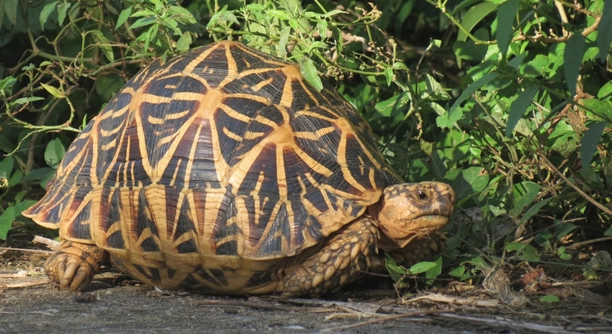
Indian Star Tortoises are fascinating creatures, but if you’ve noticed your pet scratching at its shell, you may be concerned. Understanding the cause of this behavior can help ensure your tortoise remains happy and healthy.
The most common reason for this scratching is the tortoise trying to shed its old scutes (the scales on its shell). However, it may also scratch if the shell is irritated or uncomfortable due to factors like improper humidity or injury.
There are several factors at play when it comes to scratching, and identifying the exact cause can help you keep your tortoise comfortable.
The Shedding Process
Indian Star Tortoises regularly shed old scutes as part of their natural growth cycle. This is a necessary process, as the shell needs to be renewed over time. When a tortoise scratches at its shell, it might be trying to help loosen the old scutes. This can happen more often during warmer months when the tortoise is more active. If the scutes aren’t shedding properly, it can lead to discomfort or irritation. Providing a suitable environment with appropriate humidity can encourage the shedding process and prevent unnecessary scratching.
While scratching may be due to shedding, it’s not the only reason. Shell irritation can also occur if the tortoise feels discomfort due to external factors. If the shell becomes too dry, cracked, or if the tortoise is exposed to sharp objects, scratching may occur to relieve the irritation.
Proper care is essential for keeping the tortoise’s shell in top condition. Regular checks, suitable humidity, and a clean living space will help keep your pet comfortable and minimize the need for scratching.
External Factors That Can Cause Scratching
If your tortoise’s shell is exposed to external stressors, it may lead to scratching. Uncomfortable substrates or rough surfaces can be an issue. Additionally, poor diet and lack of proper nutrition can weaken the shell, making it prone to damage.
One of the most common causes of scratching is an improper habitat. A dry, hot environment can cause the shell to become too hard and dry, making it more difficult for scutes to shed naturally. This can lead to scratching as the tortoise tries to help the process along. Offering a more humid environment can help combat this problem. If your tortoise is housed in an enclosure that is too small or doesn’t have proper space to move around, it could also increase stress and make the animal scratch more often.
Making sure that your pet has the proper living conditions is essential for keeping them healthy. Regularly checking on the shell’s condition and maintaining the right humidity levels can help reduce scratching behavior.
Infections or Illness
Sometimes, scratching can signal an infection or illness. If a tortoise’s shell becomes infected or injured, it might scratch to relieve discomfort. An infection can occur from a variety of causes, such as fungal growth or bacterial infections, especially if the shell has sustained a wound.
Signs of an infection may include discolored spots, soft patches, or unusual odors. If you notice these symptoms along with scratching, it’s important to get your tortoise checked by a vet. Infections can lead to more serious issues, including permanent damage to the shell.
To prevent infections, ensure the tortoise’s habitat is clean and free from moisture buildup, which can encourage bacterial and fungal growth. Keeping the shell dry and healthy, along with regular check-ups, can prevent such problems from developing.
Shell Injury
A scratch may also occur if your tortoise’s shell has been injured. Injuries can happen from rough handling, collisions with hard objects, or even from a fall. If the shell has a crack or dent, the tortoise might scratch the area to alleviate the pain or discomfort.
If you notice any cracks, chips, or unusual markings on the shell, it’s important to address the injury immediately. Injuries can sometimes heal on their own, but in more serious cases, a vet might need to treat the injury with specialized care. Keeping the tortoise in a safe, hazard-free environment can reduce the risk of injury. Additionally, avoid handling your tortoise too roughly to prevent unnecessary harm to its shell. Regularly inspecting its shell for signs of damage will help catch issues early.
Stress or Boredom
Tortoises, like many animals, can experience stress. If your tortoise feels anxious or bored, it might scratch at its shell. Lack of space, insufficient hiding spots, or too much human interaction can cause stress. Stress can also stem from sudden changes in environment, like a new pet or loud noises.
In addition to scratching, signs of stress may include lack of appetite, hiding, or unusual behavior. Ensuring your tortoise has a calm and comfortable space, along with enough mental stimulation, can reduce stress. Offer new enrichment options, like food puzzles, or add more hideaways to its enclosure.
Shell Growth and Development
As your tortoise grows, its shell will naturally expand and develop. This process can cause discomfort or itching, prompting the tortoise to scratch at its shell. Younger tortoises are more likely to scratch as they are going through rapid growth stages.
During shell development, proper diet and care are essential. A calcium-rich diet helps support shell growth and strengthens the tortoise’s overall health. A balanced diet with appropriate amounts of vitamins and minerals will make shell growth smoother and less irritating. Keeping the tortoise hydrated also aids in maintaining a healthy shell.
Poor Diet
A poor diet can lead to shell issues that cause scratching. Tortoises require a balanced diet of leafy greens, fruits, and vegetables. If your tortoise isn’t getting the right nutrients, it may develop a weakened shell or other health problems. This can lead to scratching.
If you notice any soft spots, discoloration, or other unusual changes in your tortoise’s shell, it could be due to nutritional deficiencies. Ensure that your tortoise gets plenty of calcium and other vitamins. A well-rounded diet helps prevent shell problems and supports overall health. A vet can recommend supplements if necessary.
FAQ
Why does my tortoise scratch its shell so much?
Scratching at the shell is a common behavior among tortoises, especially during the shedding process. As they grow, they shed old scutes (the hard outer layers of the shell), and scratching helps them loosen these. It can also be a way to relieve discomfort caused by dry or irritated skin. If scratching becomes excessive, it could indicate that the tortoise is stressed, has an infection, or is dealing with other health issues, like shell damage or an improper environment. Regular monitoring of your tortoise’s habitat and health can help you identify the cause.
Can stress make my tortoise scratch its shell more?
Yes, stress can lead to excessive scratching. Tortoises may scratch their shells if they feel threatened or uncomfortable in their environment. Factors like too much noise, a change in their living conditions, or overcrowding can trigger stress. A lack of stimulation, hiding spots, or an improper enclosure size can also increase stress. Ensure your tortoise’s space is peaceful, has plenty of room to roam, and provides adequate enrichment to avoid boredom and anxiety.
How can I help my tortoise if it’s scratching because of an infection?
If you suspect your tortoise’s scratching is due to an infection, it’s important to get it checked by a vet. Infections can develop from wounds or fungal growth on the shell. A vet can diagnose the infection and provide the necessary treatment, which may include topical antibiotics or antifungal creams. Keeping your tortoise’s habitat clean, dry, and free from any potential irritants will help prevent infections. Regular checks for unusual discoloration, softness, or foul odor on the shell can help you spot infections early.
What can I do if my tortoise’s shell is injured and causing it to scratch?
If your tortoise has suffered a shell injury, it’s crucial to assess the damage. Minor cracks or chips may heal on their own, but more serious injuries require professional treatment. Take your tortoise to a vet for an evaluation and proper care. In the meantime, ensure your tortoise is housed in a clean, safe environment to prevent further injury or infection. If the injury is large, your vet might recommend a special bandage or shell repair treatment. Avoid exposing the tortoise to sharp objects, rough surfaces, or too much handling until it heals.
Can a poor diet cause scratching in tortoises?
Yes, a poor diet can contribute to scratching. Tortoises require a balanced diet rich in calcium, vitamins, and minerals for healthy shell growth. If your tortoise lacks proper nutrition, it might experience soft spots or shell deformities, leading to discomfort and scratching. Ensure your tortoise receives a diet that includes leafy greens, vegetables, and some fruits, with calcium-rich foods to support shell health. Consider speaking with a vet to make sure your tortoise’s diet is balanced, and supplements can be added if needed.
How do I know if my tortoise is scratching due to shedding or growth?
When tortoises grow, they shed their scutes, which can cause itching or irritation. Younger tortoises are more likely to scratch as they grow rapidly and shed their old shell layers. If your tortoise is of a younger age, scratching is likely just a part of normal growth. Ensure the environment has proper humidity levels to support healthy shedding. Older tortoises may also shed, but their growth slows, so scratching due to growth is less frequent. If shedding seems difficult or the scutes are not coming off, you may need to help by providing a more humid environment or seeking a vet’s advice.
What are the signs that my tortoise is stressed?
Stress in tortoises can lead to scratching and other behaviors. Common signs of stress include a lack of appetite, excessive hiding, pacing around the enclosure, or changes in activity levels. Tortoises that are stressed often stop eating or may seem lethargic. If your tortoise is scratching and showing these signs, check its habitat for potential stressors, like poor enclosure size, harsh lighting, or loud noises. Creating a calm, secure environment with ample space, hideaways, and mental stimulation will help alleviate stress.
Is it normal for my tortoise to scratch after a bath?
Tortoises often scratch or rub their shells after a bath, especially if the bath helps to loosen up old scutes. The scratching can also be an attempt to dry off or get rid of any excess moisture on the shell. While this is generally normal, be mindful not to bathe your tortoise too often, as excessive bathing can cause the shell to become too soft. After a bath, ensure your tortoise is placed in a dry area to prevent it from becoming chilled. If scratching persists after bathing, check for signs of shell damage or irritation.
What should I do if my tortoise’s shell seems too dry?
Dryness can cause discomfort and may lead to scratching. Ensure your tortoise’s habitat has the right humidity levels, which vary by species but are generally between 50-70%. You can increase humidity by adding a shallow water dish, misting the enclosure, or using a humidifier. Additionally, make sure the tortoise has access to a proper diet that includes hydrating foods like leafy greens and is not exposed to excessively hot or dry conditions. If the dryness continues despite improving environmental factors, a vet consultation might be necessary.
Can excessive scratching damage my tortoise’s shell?
Excessive scratching can sometimes damage the shell if the tortoise is trying to scratch too aggressively or if the scratching involves rough surfaces. Repeated scratching could potentially create cracks, abrasions, or other harm to the scutes. Ensure that your tortoise is scratching in a safe, stress-free environment and isn’t exposing itself to rough surfaces. Keep the shell clean and monitor for any signs of injury. If you notice significant damage or the scratching seems excessive, seek advice from a vet for the proper care and treatment.
Final Thoughts
Scratching is a natural behavior for tortoises, but it’s important to understand why it’s happening. Whether it’s due to shedding, an environmental issue, stress, or a health concern, figuring out the cause can help your tortoise stay comfortable and healthy. Regular observation of your pet’s behavior and shell condition can give you valuable insights into what’s going on. If scratching seems excessive or accompanied by other unusual symptoms like changes in eating habits, discolored or soft spots on the shell, or lethargy, it’s a good idea to visit a vet.
Providing a proper environment is key to preventing discomfort that leads to scratching. A spacious, clean enclosure with the right temperature and humidity levels will support your tortoise’s well-being and reduce stress. A diet rich in calcium and essential vitamins will help maintain a healthy shell, preventing issues like softness or deformities that may lead to scratching. Also, adding enrichment items like hideaways and natural substrates can make your tortoise feel more secure and less likely to engage in repetitive behaviors like scratching out of boredom.
Understanding your tortoise’s behavior and providing the right care will ensure it lives a long, happy life. By addressing potential issues early, such as shell irritation, stress, or infections, you can avoid serious health problems down the road. Regular vet check-ups are an excellent way to monitor your tortoise’s health, especially if you notice anything out of the ordinary. With the right attention and care, your tortoise can live comfortably, with less scratching and more time to enjoy its surroundings.

Hello,
If you enjoy the content that we create, please consider saying a "Thank You!" by leaving a tip.
Every little bit helps us continue crafting quality advice that supports the health, happiness, and well-being of pets around the world, for pets of all shapes, sizes, and species.
We really appreciate the kindness and support that you show us!