
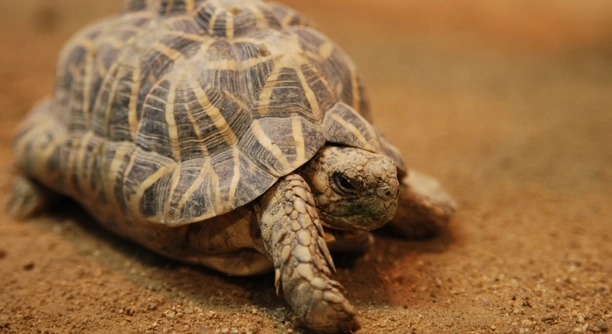
If you’ve noticed your Indian Star Tortoise moving sluggishly in the morning, you’re not alone. Many tortoise owners observe this behavior and wonder why their pets seem slow at the start of the day.
The sluggishness in the morning is often a result of your tortoise’s natural circadian rhythm. Tortoises are cold-blooded animals, so their body temperature depends on the surrounding environment, and they tend to be less active when it’s cooler.
Understanding how temperature and their body clock influence their activity levels will help you care for your tortoise better. It’s important to make sure their habitat is warm enough for them to feel more energetic.
Why Temperature Plays a Big Role
Your Indian Star Tortoise’s sluggishness in the morning may simply be a result of the temperature. As a cold-blooded animal, its body temperature adjusts to the surroundings. If the temperature in their enclosure is cooler, they’ll move slower, especially after a night of rest. The tortoise may need some time to warm up before it feels more active. This is a natural behavior, and their metabolism is slower when they are colder. Ensuring their habitat stays at an appropriate temperature can significantly reduce this slow morning start.
The ideal temperature for your Indian Star Tortoise is around 85-90°F (29-32°C) during the day. Keeping the enclosure within this range will encourage better movement and activity as the day goes on.
You can help your tortoise by providing a basking area with a heat source to maintain the right temperature. If they are cold in the morning, they might take longer to warm up and move around. Pay attention to the temperature fluctuations, and make sure the heat source is working correctly. As your tortoise’s body warms, it will become more energetic and active, making the morning routine smoother for both of you.
The Impact of Nighttime Rest
If your tortoise is waking up after a long, restful night, it might just need a few moments to get going. A well-rested tortoise might be a little slow initially, but once it warms up and stretches, it should become more active. This slow start is not an immediate cause for concern.
Lighting and Its Effect
The lighting in your tortoise’s habitat can affect its activity levels. Natural sunlight is ideal, but if your tortoise is in an indoor enclosure, make sure it gets proper lighting. UVB light helps regulate their circadian rhythm and overall health. Without enough light, your tortoise can be sluggish.
A lack of proper UVB lighting can also lead to health issues like shell deformities and weakened bones. If your tortoise isn’t getting the right amount of light, it may not feel as energized in the morning. It’s important to provide adequate lighting that mimics natural sunlight, especially during the daytime hours.
UVB light also supports the production of vitamin D3, which helps your tortoise absorb calcium and maintain a healthy shell. Investing in a good-quality UVB bulb and placing it at an appropriate distance from the tortoise will make a big difference in their morning energy. A consistent light schedule will help your tortoise feel more awake and active.
Overfeeding and Its Impact
If your tortoise is sluggish in the mornings, overfeeding might be a factor. While tortoises enjoy eating, too much food at once can cause them to feel lethargic. Large meals require more energy to digest, and this can result in them being slow to move.
Feeding your tortoise smaller meals throughout the day will ensure they aren’t weighed down by excess food in the morning. It’s also important to focus on a balanced diet that’s rich in nutrients but not excessive. Overeating can also lead to other health problems over time, so it’s best to keep portions in check.
Adjusting your tortoise’s diet by offering smaller, more frequent meals will help maintain its energy levels. While it might take a little time to see the change, consistent feeding habits will make a noticeable difference in your tortoise’s morning activity.
Stress and Anxiety
Stress can affect your tortoise’s activity level. New environments, loud noises, or frequent handling may cause your tortoise to feel stressed. When they’re anxious, they may move slower or hide more. A calm and quiet environment is essential to their well-being.
Providing a secure and peaceful space for your tortoise helps reduce stress. Avoid moving their enclosure too often or exposing them to constant disturbances. This will allow them to feel safe and more likely to be active throughout the day. Gradual adjustments to their environment can also help them adapt without becoming stressed.
Health Issues to Watch For
If your tortoise is unusually sluggish despite optimal conditions, health issues may be at play. Respiratory infections, dehydration, or parasites can lead to lethargy. If you suspect any health concerns, a vet visit is recommended.
Regularly monitoring your tortoise’s health will ensure that they remain active and comfortable. Signs of health problems include changes in appetite, difficulty breathing, or abnormal behavior. Early detection of any issues is key to treating them effectively.
Shell Condition
The condition of your tortoise’s shell can also impact its movement. A damaged or infected shell may make it harder for your tortoise to move around, resulting in sluggishness. If you notice any cracks, soft spots, or discoloration, it’s important to check for underlying issues.
FAQ
Why is my Indian Star Tortoise so slow in the mornings?
Tortoises are cold-blooded, which means their body temperature depends on the environment. In cooler mornings, they may appear sluggish as their metabolism slows down. Once they warm up, their activity levels should increase. To help, make sure your tortoise’s enclosure is warm enough to support its activity.
Can my tortoise be too cold at night?
Yes, if the temperature drops too low during the night, your tortoise might feel lethargic in the morning. It’s crucial to keep the temperature consistent, especially at night. Use a reliable heating source to maintain warmth and prevent your tortoise from becoming too cold, which can also cause health problems.
What’s the best temperature for my tortoise’s enclosure?
Your tortoise’s enclosure should be kept between 85-90°F (29-32°C) during the day. At night, temperatures can safely drop to around 70°F (21°C). A basking spot should be slightly warmer to allow your tortoise to regulate its body temperature properly, encouraging activity and overall well-being.
How much food should I feed my Indian Star Tortoise?
It’s important not to overfeed your tortoise. Offer small, balanced meals throughout the day, focusing on leafy greens, fruits, and vegetables. Overfeeding can lead to sluggishness and health problems, so aim for portion sizes that align with your tortoise’s size and age. Generally, tortoises should be fed once a day with a variety of appropriate foods.
Is my tortoise sluggish because it’s sick?
Sluggishness can be a sign of illness, especially if it persists despite ideal conditions. Common health issues such as respiratory infections, parasites, or dehydration can make your tortoise less active. If your tortoise is showing other symptoms, such as changes in appetite, breathing problems, or abnormal behavior, a vet check-up is necessary.
Can I handle my tortoise when it’s sluggish?
It’s best to avoid handling your tortoise when it’s sluggish, especially in the morning. Allow it to warm up and become more active first. Constant handling when it’s not feeling energetic can cause unnecessary stress, which can affect its health in the long run.
How can I tell if my tortoise is stressed?
Stress can cause lethargy in tortoises, along with other signs like hiding, refusal to eat, or defensive behavior such as hissing. Environmental factors like loud noises, overcrowding, or changes to their living space can all contribute to stress. Providing a peaceful, consistent environment can help reduce anxiety and improve activity.
What should I do if my tortoise’s shell is damaged?
If your tortoise’s shell is cracked, soft, or showing signs of infection, it’s important to take action quickly. Gently clean the affected area and apply any recommended treatments, but seek veterinary advice to ensure proper care. A damaged shell can be painful and, if untreated, may lead to more severe health problems.
Why is my tortoise hiding more than usual?
Hiding can be a normal behavior, especially if your tortoise is trying to stay warm or is feeling stressed. However, if it’s accompanied by other signs like lack of appetite or lethargy, it could indicate illness. Monitor the situation and consider a vet visit if the behavior persists.
Can overfeeding cause my tortoise to be sluggish?
Yes, overfeeding can lead to sluggishness. When your tortoise eats too much, its digestive system has to work harder, which can drain energy and make it less active. Keeping meal portions appropriate to their size and age helps avoid this issue. Stick to a regular feeding schedule and don’t offer too much at once.
How do I make sure my tortoise gets enough UVB light?
To ensure your tortoise is getting enough UVB light, use a good-quality UVB bulb. Position the bulb correctly in the enclosure, ensuring that your tortoise can bask under it for a few hours each day. UVB light helps regulate your tortoise’s circadian rhythm and supports calcium absorption, which is vital for their overall health.
Final Thoughts
If your Indian Star Tortoise seems sluggish in the morning, it’s often due to natural behavior. Being cold-blooded, their body temperature relies on the environment around them. When it’s cooler, they become less active. It’s common for tortoises to warm up slowly and take time to start moving. To help your tortoise feel more energetic in the morning, consider adjusting the temperature in its enclosure. A heat source like a basking light can help your tortoise reach the warmth it needs to become more active as the day goes on.
Other factors, like overfeeding, stress, or lack of proper lighting, can also make your tortoise seem slower. Providing a balanced diet with the right portion sizes ensures that your tortoise won’t feel weighed down or lethargic. Too much food at once can affect their energy levels, especially in the morning. Stress can also have an impact on their behavior. If their living environment is noisy or constantly changing, they may feel anxious and hide, making them appear sluggish. A quiet, peaceful environment allows your tortoise to relax and be more active. Additionally, ensuring that your tortoise gets enough UVB light is crucial for regulating its body clock and helping it stay energetic.
Lastly, if your tortoise’s sluggishness persists despite the right conditions, it’s essential to rule out any health problems. Illnesses, dehydration, or shell issues could cause your tortoise to move slower than usual. Regular vet checkups and observing your tortoise for other symptoms can help detect and treat any potential health issues early. By paying attention to temperature, diet, lighting, and stress factors, you can help your tortoise stay active and healthy, ensuring it feels its best throughout the day.

Hello,
If you enjoy the content that we create, please consider saying a "Thank You!" by leaving a tip.
Every little bit helps us continue crafting quality advice that supports the health, happiness, and well-being of pets around the world, for pets of all shapes, sizes, and species.
We really appreciate the kindness and support that you show us!