
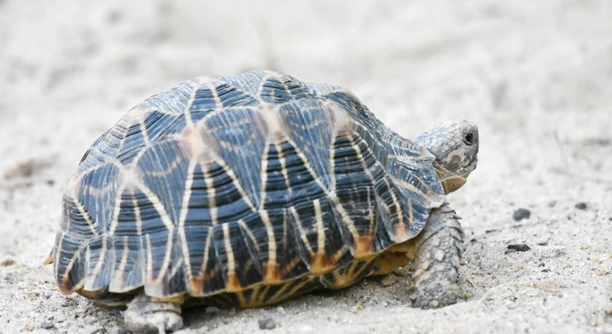
Indian Star Tortoises are wonderful companions, but like all pets, they thrive best in an environment that meets their needs. A stimulating and natural habitat is essential for their well-being, ensuring they stay healthy and happy.
There are several effective ways to enhance your Indian Star Tortoise’s environment. Providing different textures, hiding places, and environmental enrichment can encourage natural behaviors, promote exercise, and improve your tortoise’s quality of life.
By creating a habitat that mimics their natural surroundings, you can support their physical and mental health. These simple tips will ensure your tortoise is both entertained and comfortable.
Provide a Varied Terrain
Indian Star Tortoises are naturally found in dry, rocky areas. To replicate this environment, it’s important to provide different surfaces and textures in their habitat. This can include sand, rocks, and logs. A mixture of soft and rough textures encourages your tortoise to move around and engage with its surroundings. Using a variety of materials also helps in simulating the natural environment, which reduces stress and promotes healthy activity. A varied terrain will also aid in preventing shell damage, as it provides a chance for your tortoise to crawl and rub against different surfaces.
Adding small hills or gentle slopes to their environment will also allow for physical exercise. Tortoises need to climb or navigate over different obstacles to stay fit. These additions help keep your tortoise mentally and physically active, preventing boredom.
Moreover, consider the placement of these features. Ensure they are safely arranged, allowing easy access without risk of injury. A balance of natural features will help your tortoise feel more at ease.
Introduce Hiding Spaces
Tortoises, like other animals, need quiet areas to retreat and feel secure. Providing hiding spots with natural materials like branches or plants will give your tortoise a place to rest. These spaces can be as simple as a small cardboard box or hollowed-out logs. Adding this type of shelter will help reduce stress and mimic the natural behavior of seeking shelter in the wild.
A secure hideout also encourages exploration. Tortoises will feel more comfortable moving around their environment, knowing they can escape to a safe, quiet spot when needed.
Use Natural Plants
Incorporating live plants into your tortoise’s habitat can mimic their natural environment and improve their overall well-being. Opt for safe, non-toxic plants like grasses, succulents, or low-growing shrubs that are sturdy enough to withstand some nibbling. Not only do plants add visual interest, but they also offer natural hiding spots and can help maintain humidity levels.
Make sure to research which plants are safe for tortoises before adding them to their space. Tortoises may nibble on them, but it’s important to avoid any toxic varieties. Adding plants that are safe and edible will also help your tortoise stay engaged with its surroundings. They can enjoy both the visual stimulation and the opportunity to forage naturally, much like they would in the wild.
Positioning plants in various areas of the habitat can encourage movement and exploration. This setup allows your tortoise to wander, feed, and interact with the plants at their own pace, mimicking their natural behavior. This kind of enrichment can greatly improve your tortoise’s mental health.
Create Water Access
Having a shallow water dish is essential for your tortoise to stay hydrated and maintain a healthy lifestyle. The water should be changed regularly, ensuring it’s clean and fresh each time. It’s also helpful to place the dish in a quiet, accessible area, encouraging your tortoise to drink when needed.
To further enrich the environment, consider adding a small water feature or shallow pond. A gentle water source will give your tortoise the option to bathe, helping with shell care and hydration. However, ensure the water is not too deep to avoid any risk of drowning. A small, shallow dish or a stone with a water-filled crevice will suffice. Your tortoise will appreciate having access to water for both drinking and bathing, which supports their overall health and comfort.
Water also plays a role in temperature regulation. A humid or damp spot in the enclosure can help create a more natural climate. However, make sure the water does not stagnate, as this could cause unwanted bacteria to grow. Regularly cleaning the water area is essential to ensure that your tortoise is living in a safe environment.
Provide Sun and Shade
Tortoises need access to both sunlight and shade to regulate their body temperature. Make sure there is a basking spot where they can warm up, as well as cooler, shaded areas for when they need to cool off. Both are equally important for their well-being.
Place a heat lamp over the basking area to provide the warmth your tortoise requires. Ensure it is positioned properly to avoid overheating. Additionally, natural sunlight can be beneficial if your tortoise is kept in an outdoor enclosure. If indoors, a UVB bulb will help simulate sunlight.
Add Digging Areas
Tortoises enjoy digging, and providing a soft substrate is ideal for this behavior. A mix of soil, sand, and coconut husk is perfect for digging. This also supports natural burrowing habits, which contribute to your tortoise’s overall comfort and mental stimulation.
A digging area gives your tortoise space to feel safe and secure while satisfying its instinct to burrow. Make sure the substrate is deep enough for your tortoise to dig into. You may also want to change the substrate regularly to maintain hygiene and ensure the area stays comfortable for digging.
Create an Enriched Feeding Area
Setting up a feeding area that’s separate from the rest of the habitat helps maintain cleanliness and encourages your tortoise to associate it with eating time. This can also reduce stress during mealtime. Make sure the feeding area is easily accessible and clean.
Place food in shallow, non-slippery bowls that allow your tortoise to reach it easily. This helps avoid any accidental spills or messes that could interfere with the meal. You can also place fresh greens and vegetables in different areas of the enclosure, encouraging foraging behavior. This adds more stimulation to your tortoise’s daily routine.
FAQ
How often should I clean my tortoise’s enclosure?
You should clean your tortoise’s enclosure regularly to maintain a healthy environment. Spot cleaning should be done daily to remove any waste, food scraps, or debris. Full cleaning, which involves changing the substrate, scrubbing surfaces, and disinfecting, should be done every 1 to 2 weeks. This helps reduce the risk of bacteria and keeps your tortoise comfortable.
Make sure to remove any uneaten food daily to prevent mold or contamination. Check the water dish for cleanliness and refill it with fresh water regularly. If you notice any strong odors or discoloration in the substrate, it’s time for a full cleaning. The more often you clean, the healthier the environment will be for your tortoise.
Can I keep multiple tortoises in the same enclosure?
It is possible to house multiple tortoises together, but there are important factors to consider. Different tortoise species, or even individuals of the same species, may not get along. Aggression or territorial behavior can occur, especially if the space is too small. Ensure that the enclosure is large enough to give each tortoise its own space.
When keeping multiple tortoises, monitor them closely for signs of bullying, fighting, or stress. Providing plenty of hiding spots and separate feeding areas can help reduce competition and prevent conflict. It’s also important to make sure each tortoise has access to its own basking spot. If there are issues, you may need to separate them into different enclosures.
What is the best diet for an Indian Star Tortoise?
Indian Star Tortoises are herbivores and require a balanced diet of leafy greens, grasses, and vegetables. Their diet should be made up of about 80-90% fiber, with occasional fruits and flowers as treats. Good options include dandelion greens, clover, kale, and hibiscus flowers. Avoid feeding them high-oxalate vegetables like spinach, as it can interfere with calcium absorption.
It’s also important to provide a source of calcium, either through calcium supplements or by offering calcium-rich foods like cuttlebone. Avoid feeding your tortoise animal-based proteins, as they can lead to health problems. Fresh water should always be available for drinking, and feeding times should be regular and consistent.
Do Indian Star Tortoises need a UVB light?
Yes, UVB lighting is essential for Indian Star Tortoises, especially if they are kept indoors. UVB rays help them synthesize vitamin D3, which is crucial for calcium absorption and shell health. Without adequate UVB exposure, they can develop metabolic bone disease, which is a serious health condition.
UVB lighting should be provided for 10-12 hours a day. Ensure the bulb is the right type, specifically designed for reptiles, and replace it every 6-12 months as its effectiveness decreases over time. If your tortoise is kept outside, natural sunlight can provide the necessary UVB exposure, but be mindful of temperature and safety.
Can I take my tortoise outside?
Yes, Indian Star Tortoises can enjoy time outdoors, but there are a few important things to keep in mind. Make sure the outdoor area is securely fenced to prevent escapes or predators from getting in. The area should have both sunny and shaded spots, so your tortoise can regulate its body temperature.
Be cautious of extreme temperatures. If the weather is too hot or too cold, it’s best to keep your tortoise indoors. Never leave them outside unattended, as they may be vulnerable to other animals. Additionally, be careful about using pesticides or chemicals in the outdoor area, as these can harm your tortoise.
What temperature should my tortoise’s enclosure be?
The temperature inside your tortoise’s enclosure should range between 75-85°F (24-29°C) during the day, with a basking area that reaches around 90-95°F (32-35°C). At night, the temperature can drop to 65-75°F (18-24°C). These temperatures help your tortoise digest food and stay active.
To achieve these temperatures, you can use a heat lamp over the basking area and an under-tank heater if necessary. Be sure to monitor the temperature with a reliable thermometer. Avoid letting the temperature drop too low, as this can cause your tortoise to become lethargic and reduce its overall health.
What should I do if my tortoise isn’t eating?
If your tortoise is not eating, first check the temperature and humidity in its enclosure. If either is off, it may cause your tortoise to lose its appetite. Make sure the lighting and basking areas are correct. If everything seems fine but the tortoise continues to refuse food, it could be stressed or sick.
Try offering a variety of foods to encourage eating, including different greens or flowers. If the refusal to eat continues for more than a few days, consider consulting a veterinarian to rule out any health issues.
How can I tell if my tortoise is healthy?
A healthy tortoise should have clear eyes, a clean nose, and an active demeanor. Its shell should be smooth and free of cracks, soft spots, or deformities. The tortoise should move around easily, and its appetite should be good. A healthy tortoise also exhibits normal, firm stool and regular urination.
If you notice changes in behavior, such as excessive lethargy, refusal to eat, or unusual discharge from the eyes or nose, it could indicate a health problem. Regular checkups with a veterinarian will help ensure your tortoise remains in good health.
Final Thoughts
Creating an enriched environment for your Indian Star Tortoise is essential for its well-being. These tortoises thrive when they have a habitat that mimics their natural surroundings, with plenty of space, varied terrain, and the right temperature and lighting. When you provide different textures, hiding spots, and opportunities for climbing or digging, your tortoise will feel more at home. These changes not only make their environment more interesting but also promote natural behaviors like foraging and exploration. When they have the chance to move, dig, and hide as they would in the wild, it helps them stay healthy and active.
Maintaining the right conditions in their enclosure is crucial. This includes keeping the temperature in check, ensuring there is access to both sunlight and shaded areas, and offering a clean water dish. It’s also important to have a balanced diet, including a variety of greens and occasional flowers or fruits. These things are key to preventing stress and promoting your tortoise’s overall health. Regularly changing the substrate, cleaning the water, and keeping their feeding area clean will help reduce the risk of infections or health problems. Keeping track of your tortoise’s habits and adjusting their environment accordingly will create a comfortable and safe space for them.
By focusing on these aspects, you’ll ensure your tortoise is not just surviving but thriving. While it may take time to get everything just right, the effort will pay off in the form of a happy and healthy tortoise. Remember, a little goes a long way, and with proper care and attention, your Indian Star Tortoise will enjoy a fulfilling life in its well-designed home. Creating a habitat that encourages natural behaviors and meets their basic needs is one of the most important things you can do for your pet.

Hello,
If you enjoy the content that we create, please consider saying a "Thank You!" by leaving a tip.
Every little bit helps us continue crafting quality advice that supports the health, happiness, and well-being of pets around the world, for pets of all shapes, sizes, and species.
We really appreciate the kindness and support that you show us!