
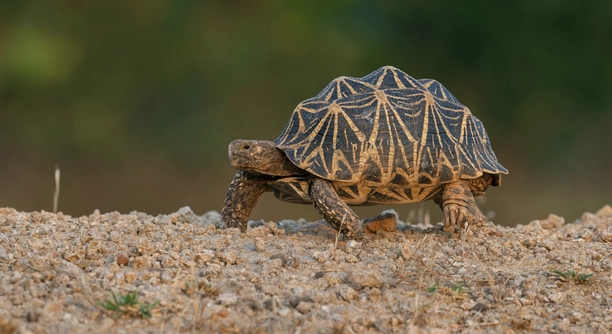
The Indian star tortoise is known for its distinct shell pattern, which plays a significant role in its protection and overall health. The strength of its shell is vital for its survival in the wild.
Several factors influence the strength of the Indian star tortoise’s shell, including diet, hydration, environmental conditions, genetics, and physical activity. Proper care and habitat can strengthen the shell, while neglect or poor conditions may weaken it.
Understanding these factors is essential for maintaining a healthy tortoise. Proper care can help ensure the strength and longevity of your tortoise’s shell.
Diet and Nutrition
A balanced diet is crucial for maintaining the strength of an Indian star tortoise’s shell. Poor nutrition can lead to weak shells and health issues. Tortoises primarily need a diet rich in fiber, calcium, and vitamins. A diet high in calcium is particularly important for shell development. For instance, dark leafy greens like collard greens, kale, and dandelion greens provide essential nutrients. Additionally, adding small amounts of fruits and vegetables, such as strawberries or carrots, can provide variety without overloading them with sugar. Consistency is key—ensuring your tortoise has access to the right food daily will improve its overall health and shell strength.
Hydration is equally important. Tortoises must have access to fresh water at all times to stay hydrated, which supports the metabolic processes that contribute to shell development. Dehydration can cause the shell to become brittle and susceptible to damage.
Feeding your tortoise a well-rounded diet ensures that it gets the necessary nutrients for shell growth. A poor diet, on the other hand, will lead to complications over time, making your tortoise vulnerable to injuries or illnesses.
Environmental Factors
The environment in which your tortoise lives has a direct effect on the condition of its shell. Tortoises need an environment that mimics their natural habitat to thrive. A proper basking area with access to UVB light is essential, as it helps the tortoise absorb calcium effectively. The temperature of the habitat should also be carefully controlled, as it impacts their digestion and overall health.
Humidity levels also play a role. Inadequate humidity can cause the shell to dry out and become brittle. This can lead to cracks and other shell-related issues. It is essential to maintain the right balance to ensure the tortoise’s shell remains strong and healthy.
Inconsistent environmental conditions, like fluctuating temperatures or exposure to poor lighting, can negatively affect your tortoise’s health. A stable and well-maintained environment is key to supporting the development and maintenance of a strong shell.
Genetics
Genetics play an important role in the strength and quality of a tortoise’s shell. Some tortoises are naturally predisposed to stronger, more resilient shells due to their genetic makeup. If the tortoise’s parents had healthy shells, the offspring are more likely to inherit this trait. However, if there are weaknesses in the genetic line, the tortoise may have a weaker shell. It’s important to understand that despite proper care, genetics can limit the overall strength of a tortoise’s shell.
Understanding genetics can help explain certain shell abnormalities or fragility. Inbreeding, for example, can lead to genetic defects that affect the development of the shell. A healthy genetic foundation is crucial for ensuring that the tortoise grows into adulthood with a strong, intact shell.
When selecting a tortoise, considering its genetic background is important. Healthy genetics will ensure that the tortoise has a better chance at a stronger shell, reducing the likelihood of problems in the future. Even with the best care, genetic limitations can have a lasting impact.
Physical Activity
Physical activity is crucial for a tortoise’s overall health and shell strength. Regular movement helps maintain the tortoise’s muscle tone and body structure, which in turn supports the shell. When a tortoise has an opportunity to roam, climb, and explore, it naturally exercises its muscles, which contributes to shell development. Without adequate movement, tortoises can become weak and may experience shell deformities over time.
Providing space for exercise within its enclosure is important. A small, cramped environment may prevent the tortoise from moving freely, which can hinder the growth and maintenance of a strong shell. Regular exercise can also prevent obesity, which may put additional strain on the shell.
Active tortoises tend to have better overall health, and their shells remain sturdy and functional. Allowing your tortoise to roam within a safe area ensures that it maintains the right level of activity for healthy shell growth. A tortoise that is confined and inactive is more likely to experience shell-related issues.
Temperature and Humidity
Proper temperature and humidity levels are vital for shell health. Too much heat can cause dehydration, while low temperatures can slow down a tortoise’s metabolism. Both extremes can negatively affect the shell’s strength. Maintaining stable temperature and humidity will support the tortoise’s overall health and shell development.
In the wild, tortoises experience consistent weather patterns that help regulate their bodily functions. In captivity, it’s important to recreate those conditions with the right equipment. A temperature gradient in the enclosure, along with a humidity level suited to the species, ensures the tortoise remains healthy.
The right balance between heat and moisture promotes healthy shell growth. Too much dryness can lead to brittle shells, while excessive moisture can cause the shell to soften. Stability is key for maintaining a healthy shell.
Shell Damage
Accidental injuries or rough handling can lead to permanent shell damage. Tortoises are vulnerable to cracks and fractures if they fall or are exposed to harsh impacts. Shell damage may not only affect the appearance of the shell but also its protective function. Proper handling and care are essential for preventing such injuries.
While some minor damage may heal over time, more serious cracks or fractures require veterinary attention. A veterinarian may suggest treatment or shell repair techniques to prevent further issues. However, preventing injury is always the best approach, so providing a safe environment is crucial for shell preservation.
Proper Lighting
UVB lighting is essential for the proper growth and strength of a tortoise’s shell. It helps the tortoise absorb calcium, which is a key factor in shell development. Without adequate UVB exposure, the tortoise may develop metabolic bone disease, resulting in weak bones and a fragile shell.
Providing a UVB light source for about 10 to 12 hours each day ensures the tortoise can absorb the necessary calcium for strong shell formation. It’s also important to ensure the light is positioned at the proper distance from the tortoise to be effective. Overexposure or underexposure can both lead to health problems.
FAQ
How can I tell if my tortoise’s shell is too weak?
A weak shell can often be noticed through visible signs such as cracks, dents, or softness in the shell. If the shell feels soft to the touch, it may indicate a calcium deficiency or an environmental issue. You may also notice that the tortoise is lethargic or reluctant to move, which could suggest a health issue. If you spot any of these signs, it’s important to assess its diet, habitat, and overall care routine.
What can I do if my tortoise has a cracked shell?
If your tortoise has a cracked shell, it’s important to take immediate action. Small cracks may heal on their own, but larger or deeper cracks require veterinary attention. The vet may recommend using a special shell repair compound to seal the crack. Keep the tortoise in a clean, dry environment to prevent infection. After treatment, ensure the tortoise’s diet is rich in calcium and vitamin D3 to promote healing.
Is it possible to strengthen a tortoise’s shell naturally?
Yes, you can help strengthen your tortoise’s shell naturally through a balanced diet and proper care. Feeding your tortoise high-calcium foods, such as dark leafy greens and calcium supplements, can support shell health. Additionally, ensure your tortoise has regular access to UVB light, which helps with calcium absorption. A stable, well-maintained environment will also encourage strong shell growth.
What is the role of UVB light in shell strength?
UVB light is essential for calcium metabolism in tortoises. Without proper UVB exposure, tortoises cannot absorb calcium effectively, leading to weakened shells and other health issues. Providing UVB light for 10 to 12 hours a day ensures that your tortoise gets the necessary vitamin D3 to help its body process calcium and maintain a strong, healthy shell.
Can dehydration affect my tortoise’s shell?
Yes, dehydration can have a significant impact on a tortoise’s shell. When a tortoise is not properly hydrated, its shell may become dry, brittle, and prone to cracking. To keep your tortoise’s shell strong, make sure it has access to fresh water at all times. Regular misting of the tortoise’s enclosure can also help maintain proper humidity levels.
What is the best diet for my tortoise to maintain a strong shell?
A diet rich in fiber and calcium is key to maintaining a healthy shell. Leafy greens like kale, collard greens, and dandelion greens provide essential vitamins and minerals. You can also feed your tortoise calcium-rich vegetables such as broccoli and carrots. Occasionally, you can offer fruits, but be sure to avoid sugary foods that can lead to obesity. Make sure to supplement the diet with a calcium powder for optimal shell health.
How often should I handle my tortoise to avoid shell damage?
Handling should be done gently and infrequently to avoid stress or injury to your tortoise. Overhandling or rough treatment can lead to shell damage or fractures. Only handle your tortoise when necessary, such as during cleaning or when moving it to a new location. Always support its body evenly when lifting it to prevent putting pressure on the shell.
What is the ideal habitat setup for a tortoise to promote shell health?
The ideal habitat for a tortoise includes a spacious enclosure with access to both warm and cool areas, ensuring it can regulate its body temperature. A basking spot with UVB lighting is essential for shell strength. Additionally, maintain a proper humidity level, as both excessive dryness and humidity can cause shell issues. Provide hiding spots and areas for digging to encourage natural behavior.
How long does it take for a tortoise’s shell to fully develop?
A tortoise’s shell will continue to grow and develop throughout its life. However, the most noticeable changes in shell development occur in the first few years. The shell will start hardening around 6 months to a year of age, and by the time the tortoise reaches adulthood (around 5 to 10 years), its shell should be fully formed. Proper care, including a balanced diet and appropriate environmental conditions, will support this process.
What environmental factors can weaken my tortoise’s shell?
Extreme temperatures, poor lighting, and incorrect humidity can all weaken a tortoise’s shell. Inconsistent temperatures can affect digestion, leading to malnutrition. Without adequate UVB lighting, the tortoise may suffer from calcium deficiencies, which can lead to a soft or brittle shell. Low humidity levels can also cause dehydration and affect shell texture. Maintaining stable and optimal environmental conditions is essential for shell strength.
How do I know if my tortoise is getting enough calcium?
If your tortoise’s shell appears soft, pitted, or has deformities, it may not be getting enough calcium. Calcium is essential for proper shell growth, so ensuring your tortoise is consuming calcium-rich foods and supplements is crucial. If you notice any abnormalities in the shell, it may be a sign of a deficiency, and you should adjust the diet or consult a vet for further advice.
Is my tortoise’s age a factor in its shell health?
Yes, age plays a role in shell health. Younger tortoises are still growing, and their shells are more flexible, which can make them prone to injury. As they mature, their shells harden and become stronger. Older tortoises may experience shell thinning or other age-related issues, which may require more specific care to maintain shell strength. Regular veterinary checkups and a proper diet are especially important for older tortoises.
Final Thoughts
Caring for an Indian Star Tortoise requires attention to many factors that influence its shell health. The shell is a critical part of its well-being and requires proper nutrition, a balanced environment, and occasional veterinary check-ups to stay strong and healthy. Without these, the tortoise’s shell can weaken, leading to health problems that might be hard to fix later on. To ensure your tortoise has the best chance of thriving, it’s essential to provide the right care from the start.
The most important steps to promoting a healthy shell include offering a diet rich in calcium and vitamins, ensuring adequate UVB light exposure, and maintaining a proper temperature and humidity in their habitat. Over time, these small adjustments can make a significant difference in your tortoise’s shell strength. Monitoring its behavior and physical appearance can also help identify issues early before they become severe. A little care goes a long way in keeping your tortoise happy and healthy.
Ultimately, every tortoise is unique, and their needs may vary depending on their age, health, and environment. By understanding these factors, you can adjust your care routine accordingly. Regular check-ups with a vet can also provide additional insight into your tortoise’s overall health. With consistent attention and proper care, your tortoise can live a long and healthy life, with a strong shell that protects it for years to come.

Hello,
If you enjoy the content that we create, please consider saying a "Thank You!" by leaving a tip.
Every little bit helps us continue crafting quality advice that supports the health, happiness, and well-being of pets around the world, for pets of all shapes, sizes, and species.
We really appreciate the kindness and support that you show us!